Excessive smartphone habits tied to emotional dysregulation in the brain
PsyPost • • health
Key Points:
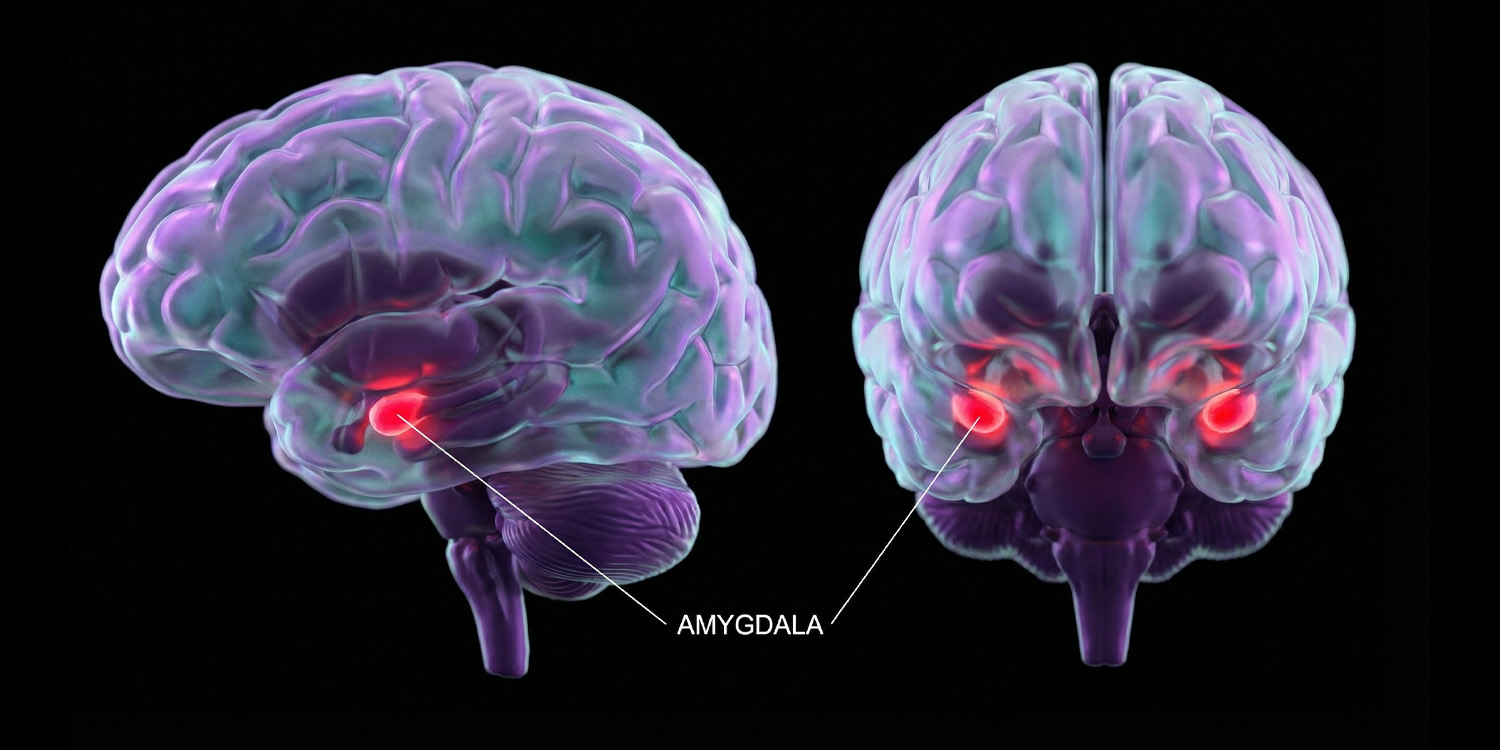
- A new study published in BMC Psychology identifies altered amygdala connectivity patterns in young adults with problematic smartphone use, linking these neural differences to difficulties in emotional regulation and self-control.
- Problematic smartphone use, while not a clinical addiction, shares traits with addictive disorders, including withdrawal symptoms and reliance on devices to manage negative emotions.
- Functional MRI scans revealed that problematic users showed stronger amygdala connections to brain regions involved in social cognition and emotional memory, but weaker connectivity to areas related to self-regulation and introspection, such as the thalamus, precuneus, and cerebellum.
- The study found correlations between reduced amygdala-cerebellum communication and higher smartphone dependence, suggesting an imbalance between overactive emotional centers and weakened cognitive control systems.
- Limitations include the study's cross-sectional design and small, young adult sample, leaving causality unclear and highlighting the need for longitudinal research to understand brain development and smartphone use over time.


