AI Image
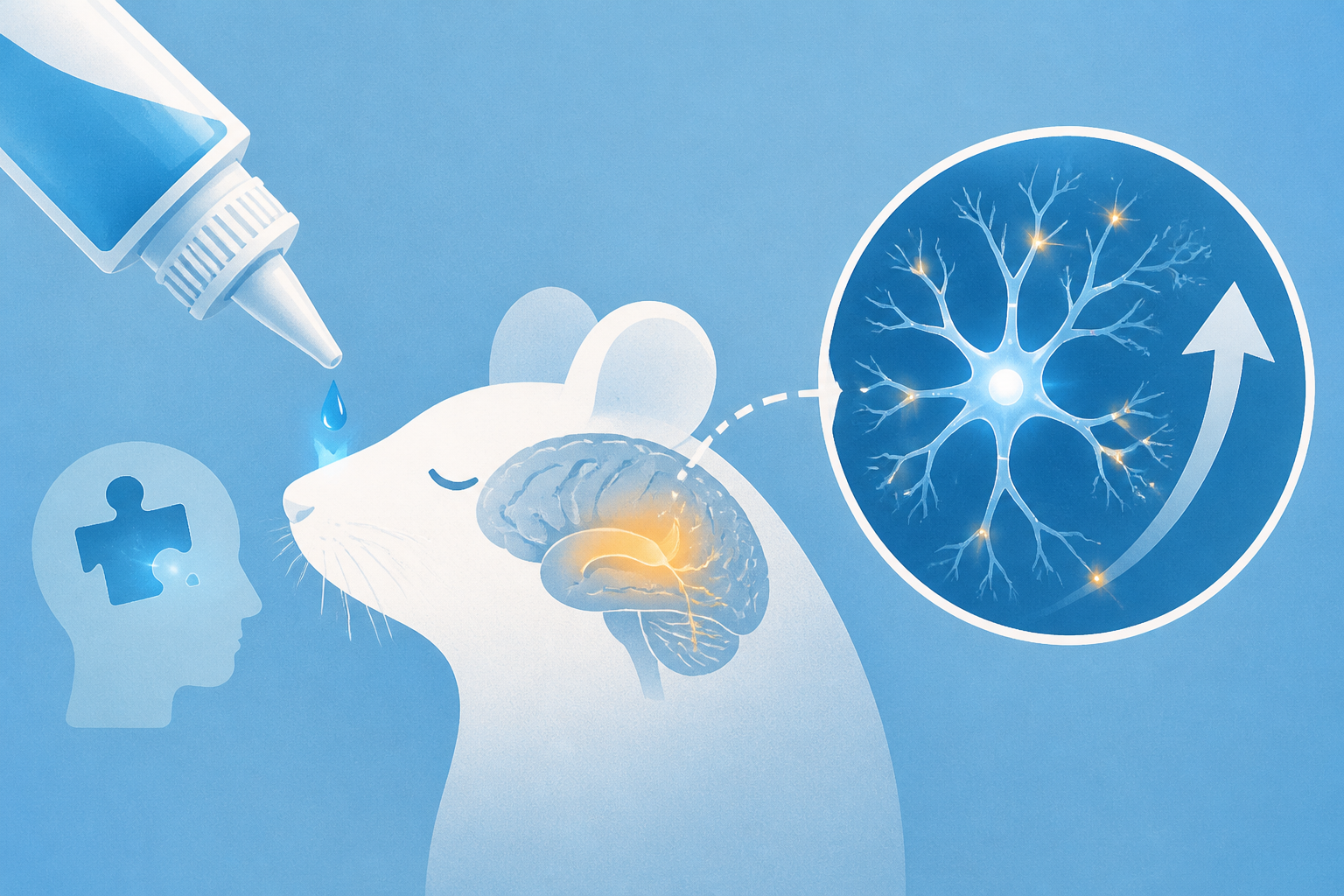
Experimental Nose Drops Restored Fading Memory And Boosted Neuron Growth In Mice
ScienceAlert • • health
Key Points:
- Researchers at the University of Sydney have developed a novel method using mRNA delivered via nose drops to stimulate the production of brain-derived neurotrophic factor (BDNF) in mice, enhancing cognition and memory by bypassing the blood-brain barrier.
- The treatment significantly improved learning and memory in aged mice and a mouse model of Alzheimer's disease, increasing neurogenesis without reducing amyloid plaque levels.
- Unlike traditional nasal sprays that deliver limited amounts of BDNF protein, this mRNA approach enables the body to produce BDNF directly in the nasal cavity, providing prolonged therapeutic effects lasting up to four days from a single dose.
- While promising, the technique has only been tested in mice so far, and researchers plan to conduct safety studies and clinical trials in humans within the next two years, acknowledging anatomical differences between human and mouse noses.
- This approach may complement existing Alzheimer's treatments by supporting neuron health and connectivity rather than focusing solely on amyloid plaque reduction, potentially offering a new avenue to improve cognitive function in patients.


