AI Generated Image
Extinct Tasmanian tiger’s ‘snap’ unlike any living mammal’s bite
CNN • • world
Key Points:
- New research reveals that thylacines, or Tasmanian tigers, were wrongly blamed for livestock predation due to their wolf-like appearance, but their specialized skull and jaw adaptations indicate they primarily hunted small prey like rabbits and bandicoots.
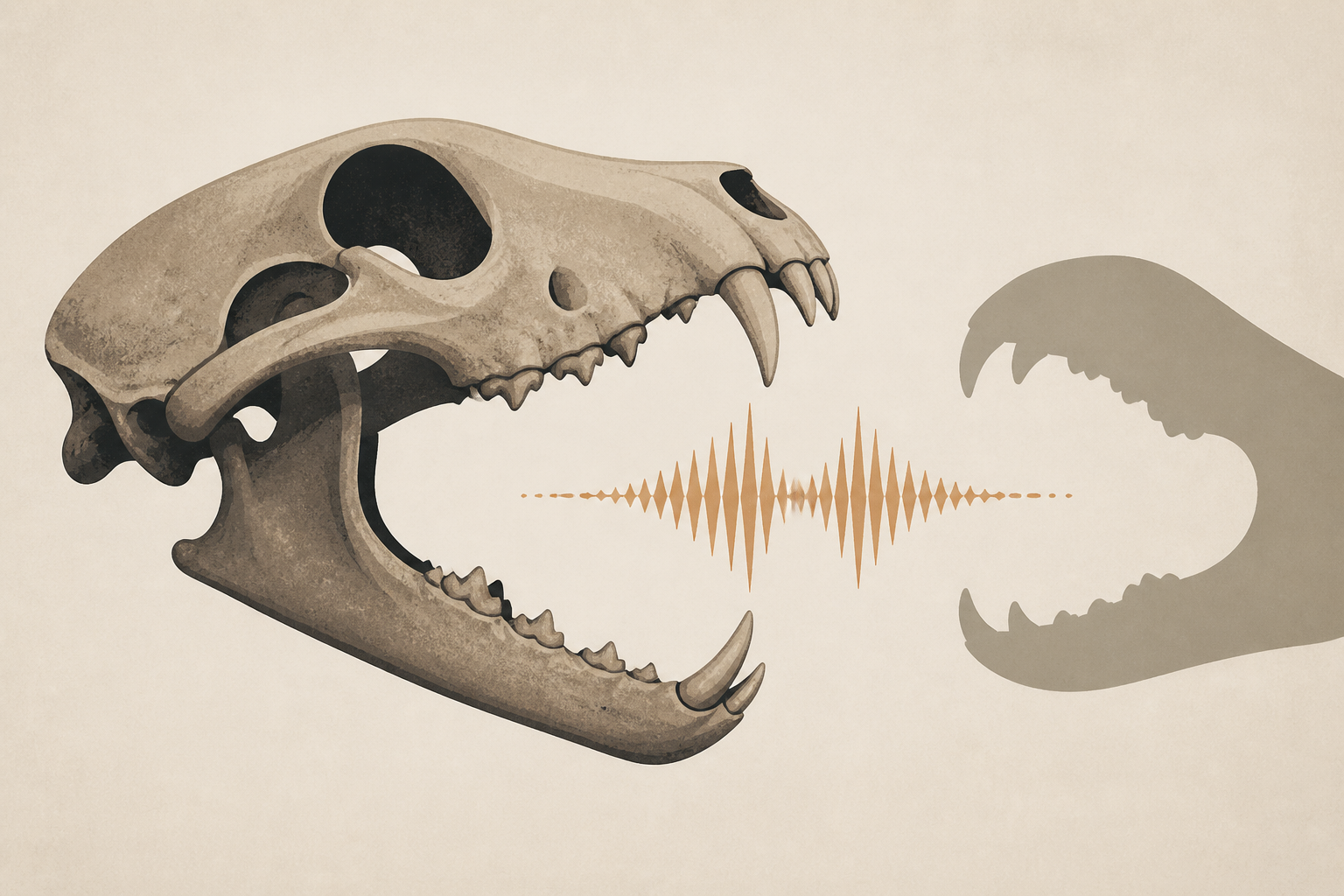
- Thylacines were marsupials more closely related to kangaroos than to dogs, with a unique skull structure combining a large size and long, slender snout that enabled quick, powerful bites rather than grappling with large animals.
- The species was exterminated in Tasmania in the 1800s after settlers placed bounties on them, mistakenly attributing livestock losses to thylacines instead of feral dogs and poor farm management; the last captive thylacine died in 1936.
- Ongoing efforts aim to "resurrect" the thylacine through genetic and reproductive technologies, with emphasis on involving Indigenous communities in custodianship and ethical considerations of de-extinction projects.
- Understanding thylacines' biology and extinction sheds light on Australia's significant loss of mammalian biodiversity and highlights the importance of conservation and genetic research for threatened marsupial species.


