AI Image
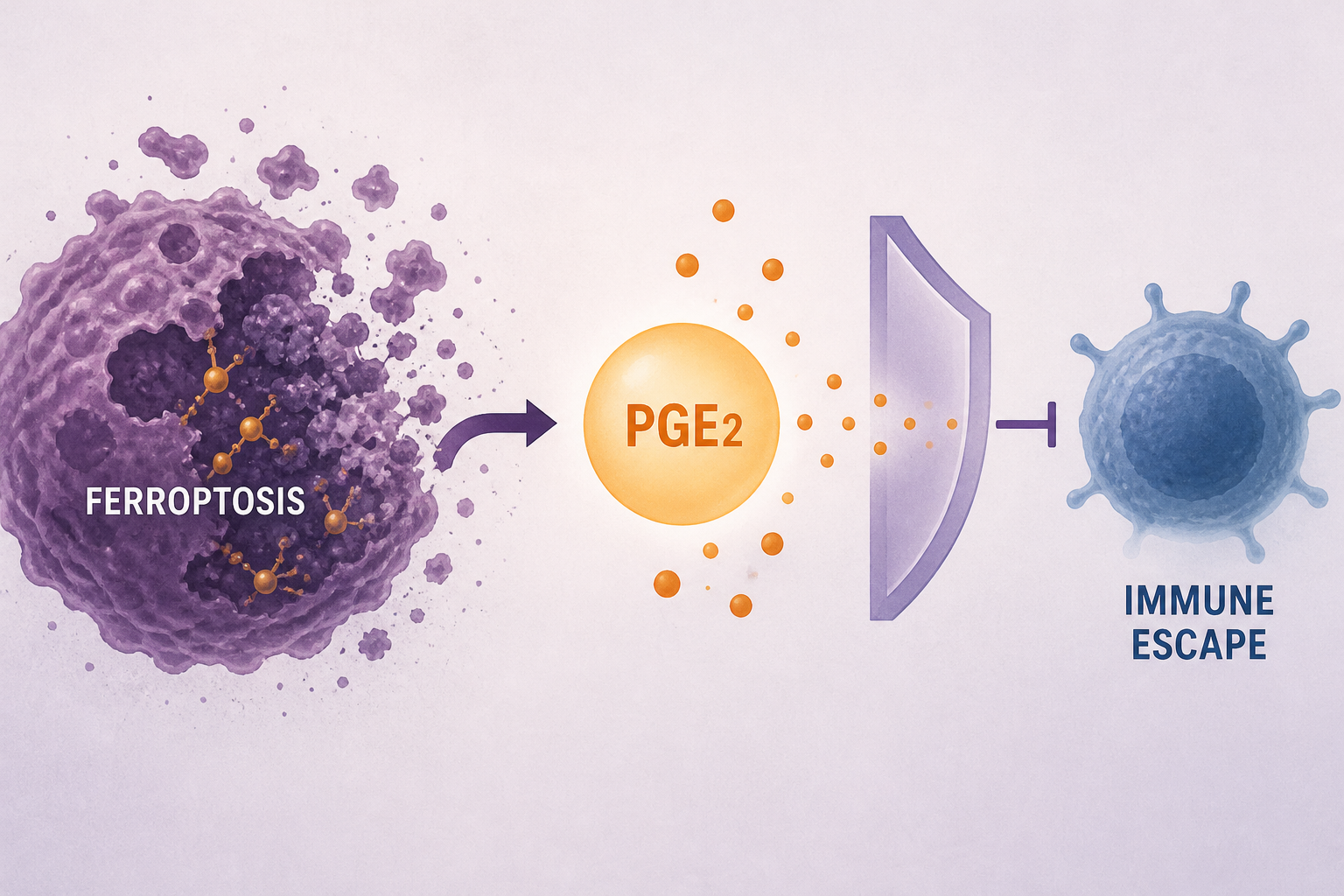
Ferroptosis in cancer cells triggers PGE2 production for tumour immune escape
Nature • • health
Key Points:
- Ferroptosis in cancer cells induces production of the immunosuppressive lipid mediator prostaglandin E2 (PGE2) via Ca2+-dependent activation of p38 MAPK signaling, leading to increased COX2 expression and PGE2 release.
- PGE2 released by ferroptotic cancer cells impairs the function of type 1 conventional dendritic cells (cDC1s), crucial for priming anticancer CD8+ T cell responses, by inhibiting production of key chemokines and cytokines such as CXCL9 and IL-12.
- The immunosuppressive effect of ferroptotic cancer cell-derived PGE2 on cDC1s is mediated through PGE2 receptors EP2 and EP4; genetic deletion or pharmacological inhibition of these receptors restores cDC1 function and enhances CD8+ T cell-mediated antitumor immunity.
- In mouse tumor models, ferroptotic tumors producing PGE2 evade immune control, but blocking PGE2 signaling in cDC1s or inhibiting COX-mediated PGE2 synthesis leads to improved tumor rejection and expansion of cytotoxic CD8+ tumor-infiltrating lymphocytes.
- These findings reveal a molecular mechanism by which ferroptotic cancer cells suppress anticancer immunity and suggest that targeting the PGE2–EP2/EP4 axis could enhance the efficacy of ferroptosis-inducing cancer therapies.


