AI Image
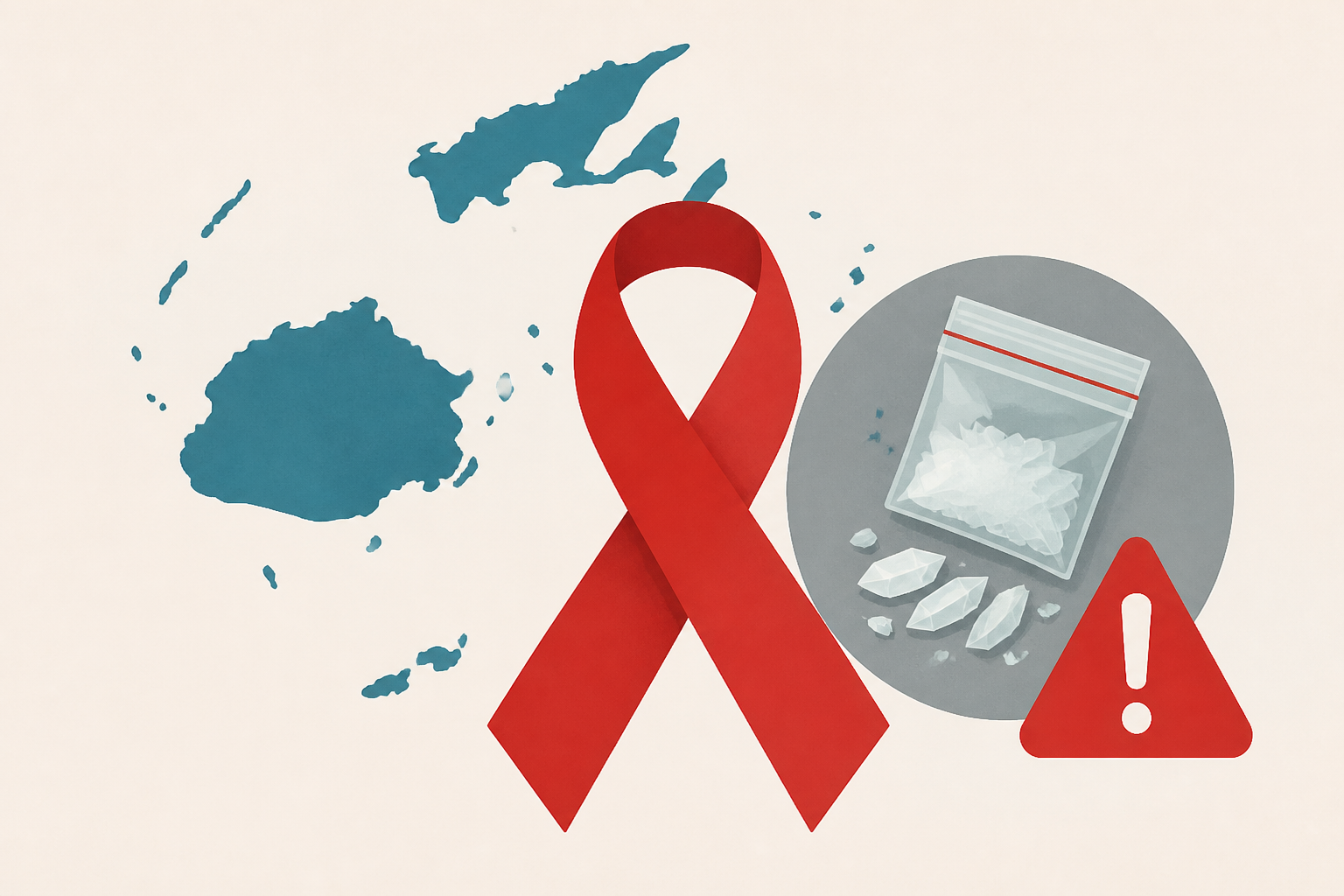
Fiji declares a national HIV emergency amid methamphetamine surge
foxnews.com • • health
Key Points:
- Fiji has declared a national HIV emergency after data revealed one in 60 adults is living with the virus, with infections increasing 12-fold over 15 years and more than 2,000 new cases recorded in 2025 alone.
- The surge is largely driven by a rise in methamphetamine use and unsafe injecting practices, including widespread needle sharing and a dangerous "Bluetooth trend" where individuals inject blood from intoxicated users to achieve a high.
- Only 39% of HIV patients currently know their status, and just 22% receive treatment, prompting the government to expand free testing, provide clean needles, and offer free antiretroviral therapy as part of a comprehensive response.
- UNAIDS and regional health officials warn the crisis could spread beyond Fiji due to its role as a transport and tourism hub, urging stigma-reducing actions from government, community, and religious leaders.
- The epidemic poses significant health, development, and human rights challenges, with calls for urgent scaling up of harm reduction, testing, and treatment to prevent further spread and protect affected communities.


