AI Generated Image
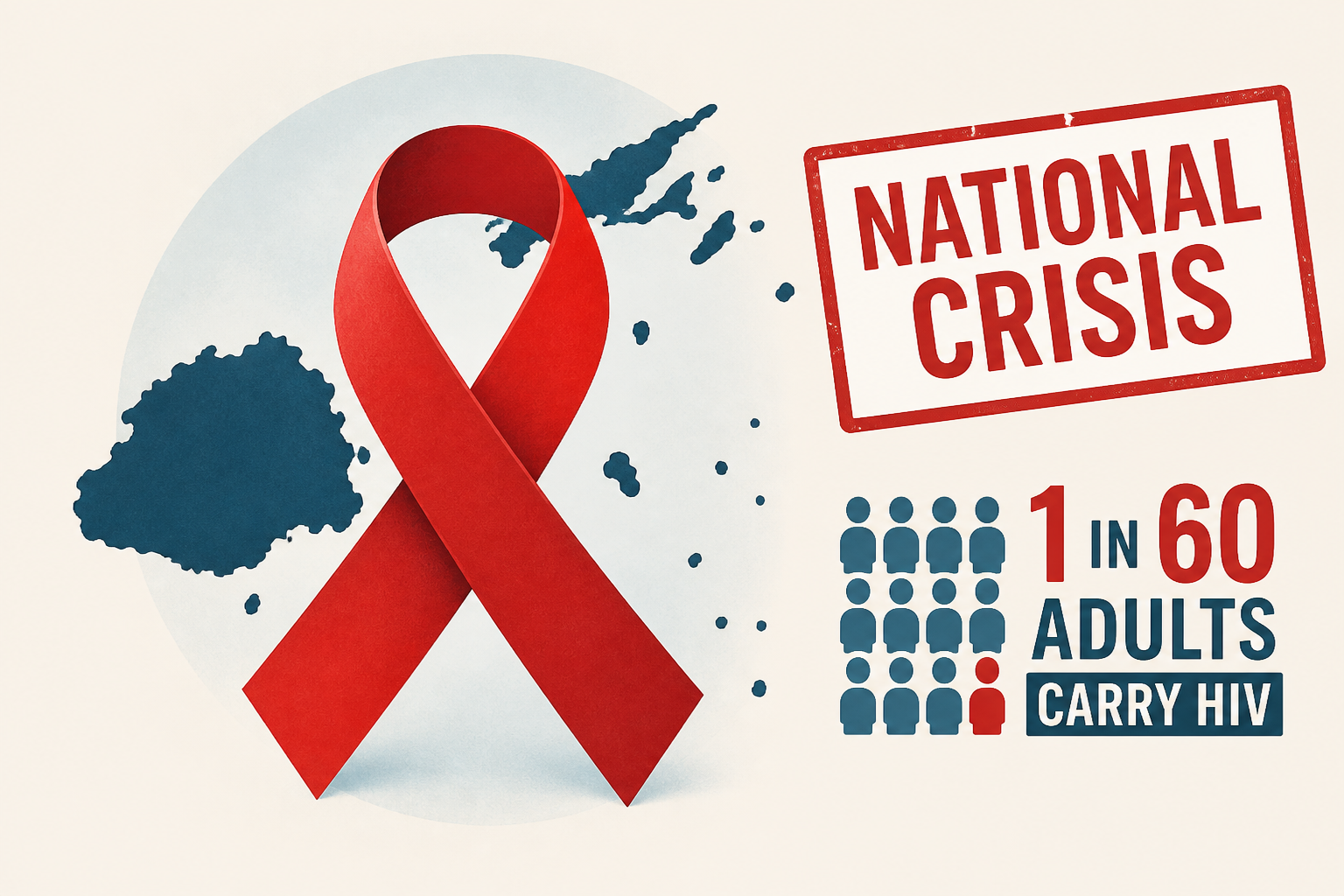
Fiji declares HIV a national crisis, 1 in 60 adults carry it
DW.com • • health
Key Points:
- Fiji has declared HIV a national health crisis after recording 2,016 new HIV diagnoses in 2025, a 16-fold increase since 2019, with the virus spreading beyond high-risk groups into the general population.
- The government reported that one in every 60 adults now lives with HIV, up from one in 167 five years ago, and highlighted concerns about mother-to-child transmission with 59 babies born with HIV in 2025.
- A multi-ministerial sub-committee has been formed to accelerate the response, which includes expanding free HIV testing, prevention services, harm-reduction for drug users, and treatment access, supported by international partners.
- UNAIDS welcomed Fiji's urgent response, noting that less than 40% of people living with HIV in Fiji know their status and only 22% receive treatment, but emphasized that effective treatment can prevent transmission and turn the epidemic around.
- Rising HIV rates are linked to increased injecting drug use associated with Fiji's role as a transit hub for drugs destined for Australia and New Zealand, contributing to higher transmission within vulnerable communities such as sex workers.


