Formula 1's Emergency Midseason Regulation Changes, Explained
Defector • • sports
Key Points:
- The FIA has introduced immediate changes to the 2026 Formula 1 regulations, focusing on reducing superclipping in qualifying, addressing safety concerns with energy deployment, and revising race start procedures, with most changes effective from the Miami Grand Prix on May 3.
- The core issues stem from the new hybrid power unit's energy split and management, shifting from an 85/15 ICE to electric power ratio to nearly 50/50, causing energy regeneration and deployment challenges that affect car performance and driver control.
- To reduce superclipping, the FIA is lowering the maximum energy regeneration per lap from 8 MJ to 7 MJ and increasing the allowed energy harvest rate from 250 kW to 350 kW, aiming to shorten energy charging times and improve qualifying aesthetics despite slightly slower lap times.
- Safety improvements include limiting boost power to +150 kW and restricting MGU-K deployment in certain track areas to reduce speed disparities and enhance driver control during races.
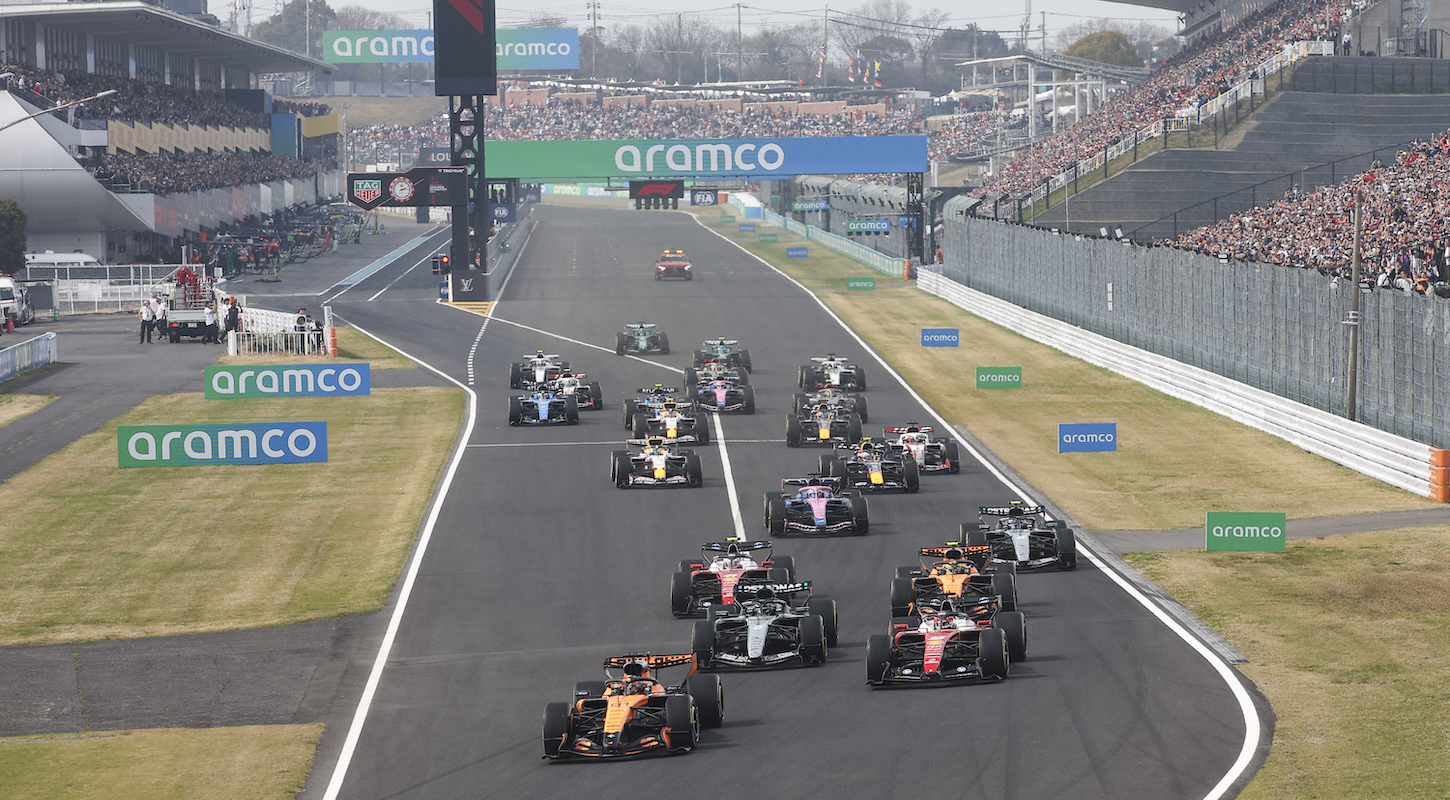
- The race start procedure change, not yet implemented, involves an automatic system to detect slow acceleration due to turbo lag, deploying minimum MGU-K power and warning lights to prevent collisions, with testing planned at Miami before full adoption.


