AI Image
Fossilized dinosaur blood detected for first time: study
New York Post • • general
Key Points:
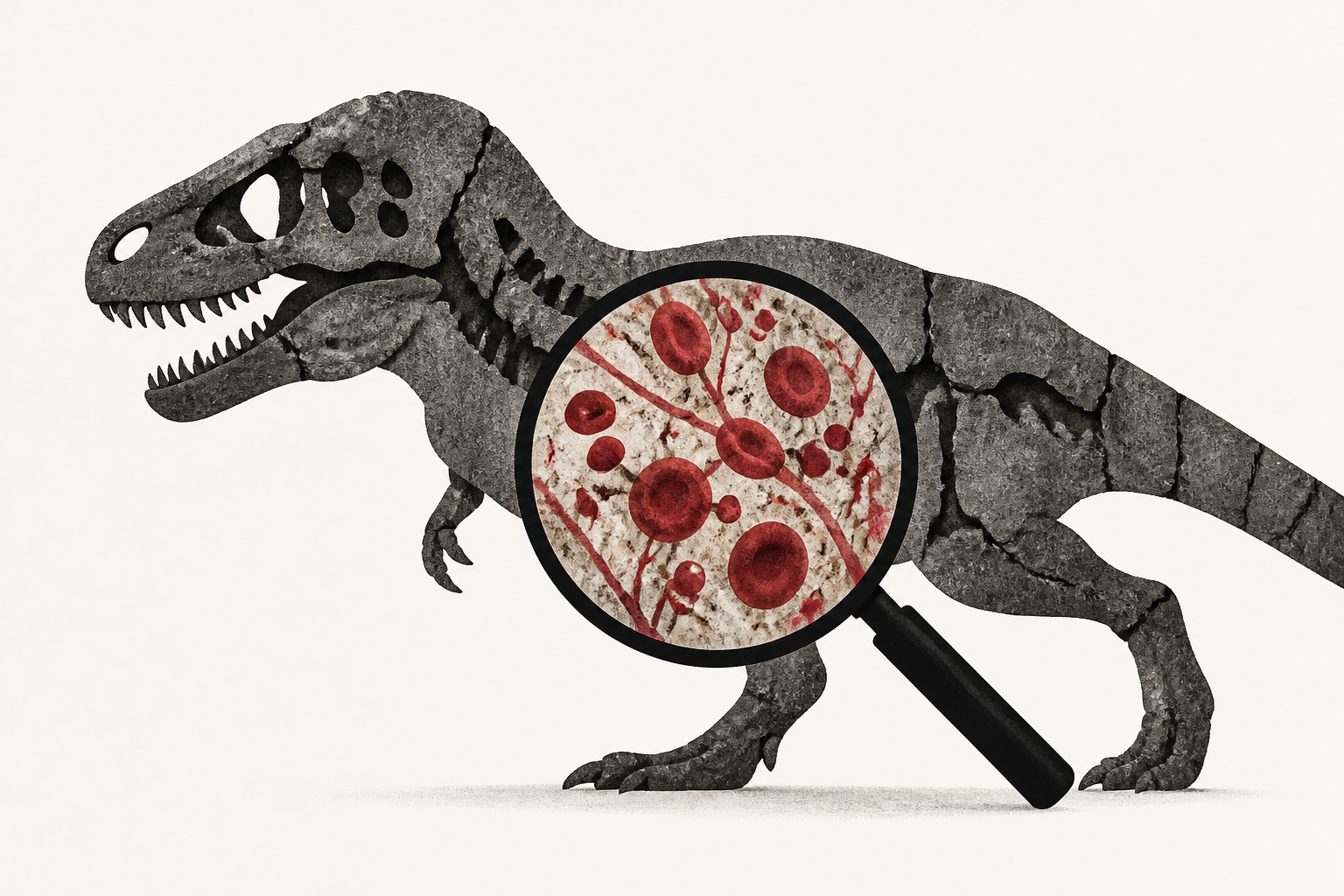
- Australian scientists have chemically confirmed the presence of fossilized blood, including hemoglobin-derived molecules, in a 115-million-year-old dinosaur bone from Brazil, marking the first such discovery.
- The fossil belonged to a juvenile Aratasaurus museunacionali, a medium-sized theropod from the early Cretaceous period, with preserved vascular canals containing red blood cells and collagen amino acids.
- Researchers believe rapid burial in a low-oxygen, microbe-rich environment and manganese mineralization helped stabilize these delicate soft tissues, challenging previous assumptions about molecular preservation over deep time.
- This breakthrough offers new insights into ancient life, including dinosaur physiology and blood evolution, and suggests that fragile biomolecules might survive for millions of years, with potential implications for the search for extraterrestrial life.
- The discovery may also influence future efforts to bioengineer extinct species, although its impact on such campaigns remains uncertain.


