AI Image
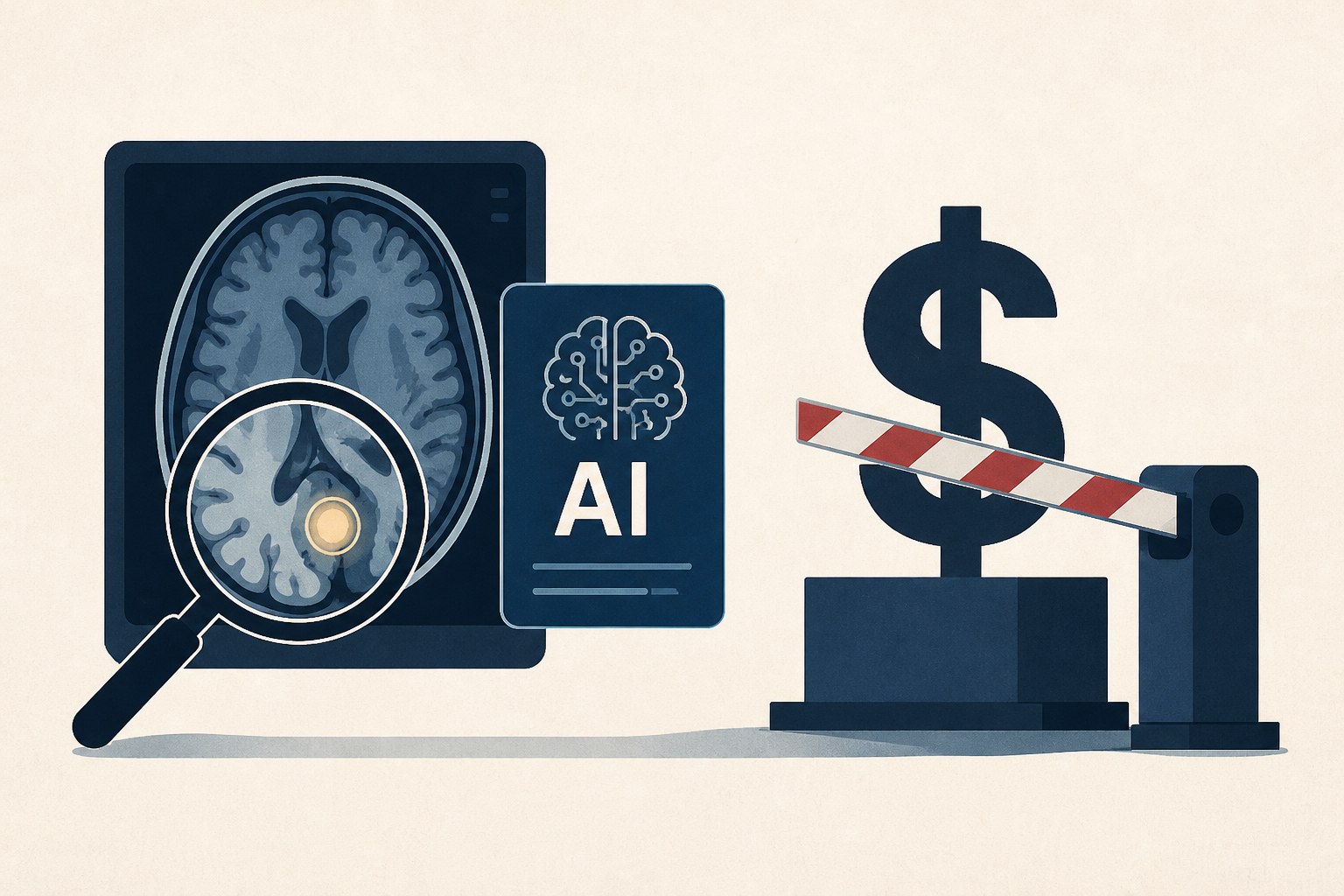
Garner Health CEO: The AI that might have caught my misread MRI exists. Nobody’s paid to use it
Fortune • • business
Key Points:
- Garner Health analyzes data from over 320 million patients to measure doctor performance and incentivize patients to choose the best providers, focusing on how AI impacts healthcare quality and costs.
- Despite AI's proven ability to improve diagnostic accuracy and efficiency, such as in mammogram screenings, its adoption in healthcare primarily increases revenue rather than improving patient care or reducing costs.
- Economic incentives in healthcare favor expensive procedures and existing infrastructure, limiting the creation of more efficient, AI-driven alternatives that could lower costs and improve outcomes.
- AI is widely used in healthcare billing to increase coding complexity and reject claims, contributing significantly to rising employer healthcare costs without enhancing care quality.
- To unlock AI's full potential in healthcare, payment and incentive models must shift to empower patients with quality and cost information, forcing providers to compete and adopt AI technologies that deliver better outcomes at lower costs.


