AI Image
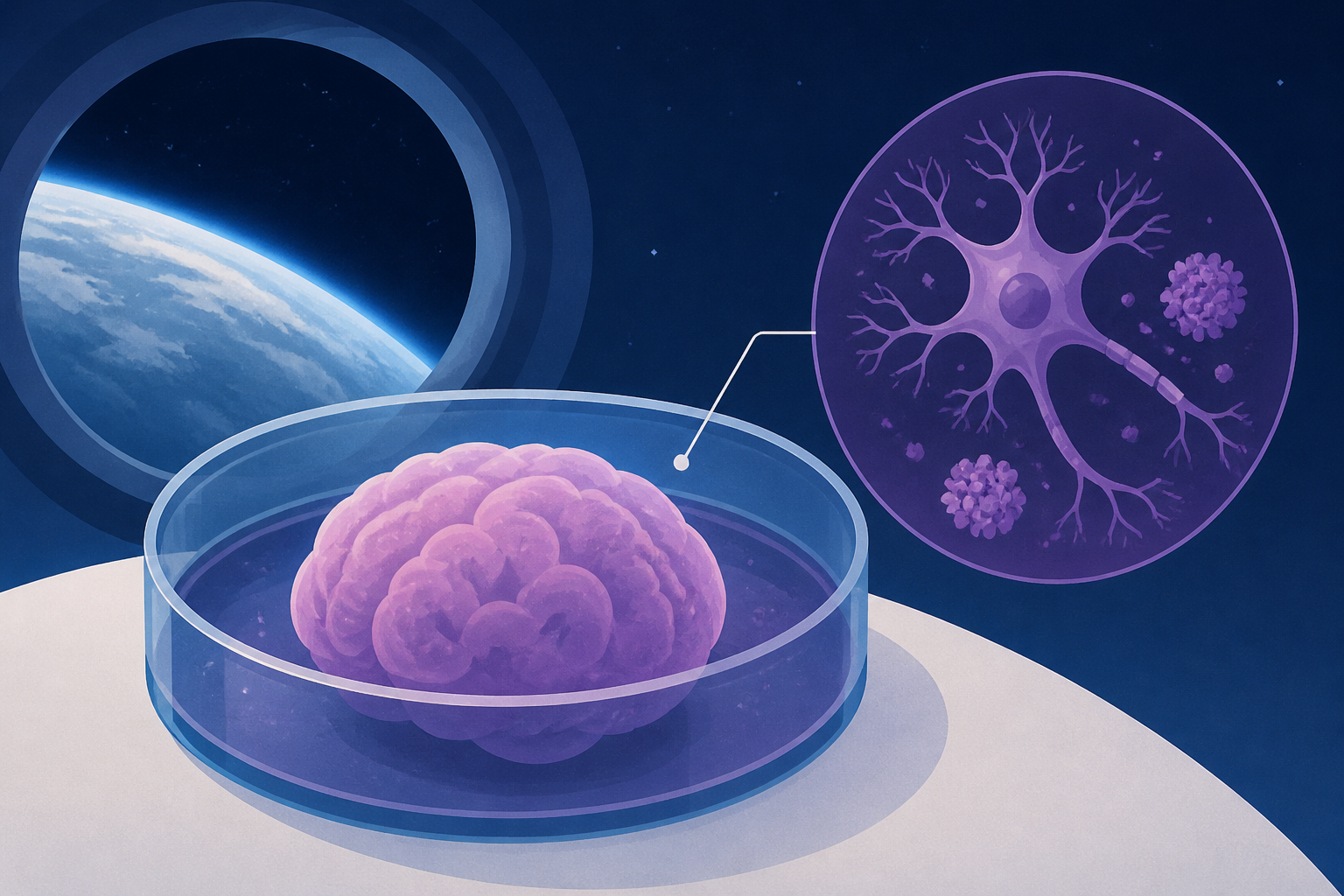
Human 'Mini Brains' Spent 40 Days in Space. Scientists Found Clues to Alzheimer's.
ScienceAlert • • health
Key Points:
- Researchers from the University of California, San Diego studied Alzheimer's-affected brain organoids that spent 40 days aboard the International Space Station, finding that spaceflight induces molecular changes relevant to Alzheimer's disease biology.
- The organoids exposed to space conditions showed increased levels of amyloid-beta and phosphorylated tau proteins, which are associated with Alzheimer's pathology, as well as early signaling changes linked to disease development.
- Spaceflight's unique environment, including microgravity and radiation, appears to cause physiological stresses that lead to coordinated neuronal and molecular remodeling in these mini brains.
- Although the organoids are simplified models and represent only a subset of Alzheimer's cases, the findings suggest that space-based studies could provide new insights into neurodegeneration and dementia.
- Future research aims to use more complex organoids with immune cells to better simulate Alzheimer's progression, potentially advancing both space health and terrestrial neurodegenerative disease treatments.


