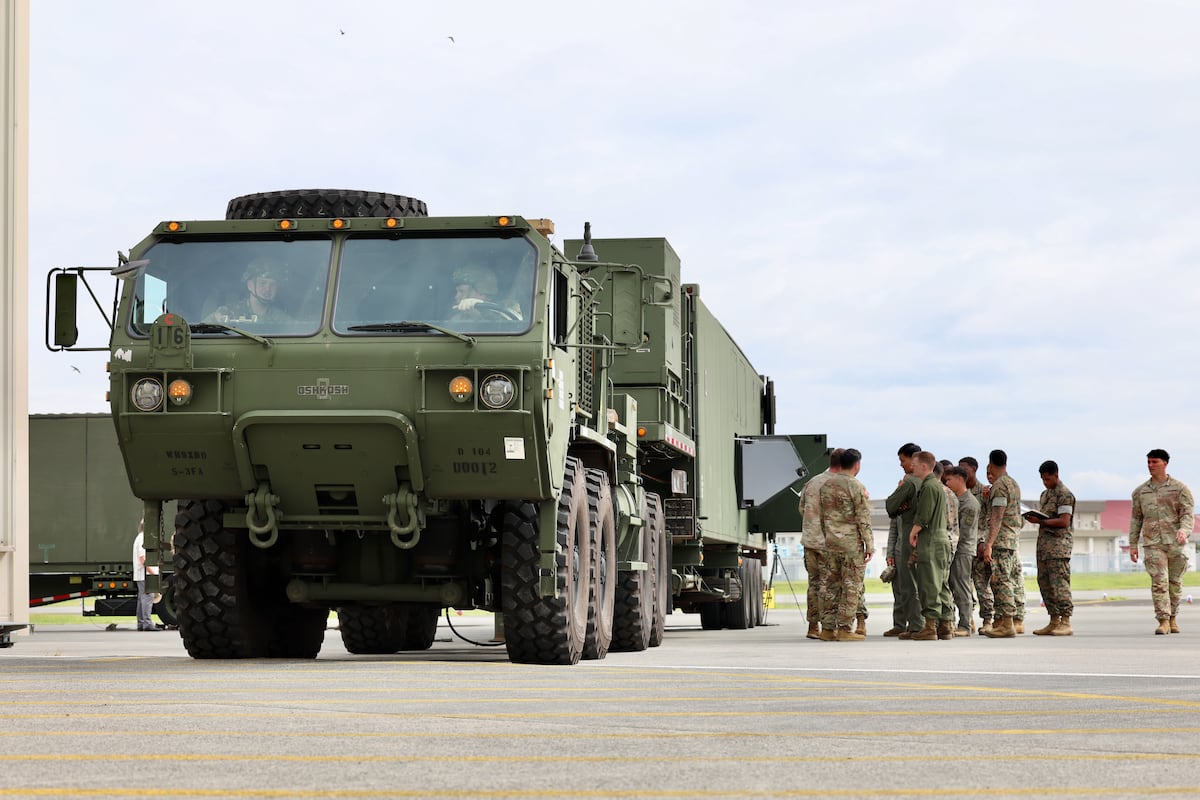
German defense minister laments long-range strike ‘gap’ caused by planned US drawdown
Defense News • • world
Key Points:
- Germany's plan to temporarily deploy U.S. Tomahawk cruise missiles and SM-6 interceptors as a stopgap for its long-range strike capability is in jeopardy due to the Trump administration's move to withdraw thousands of U.S. troops from Germany.
- Defense Minister Boris Pistorius acknowledged this setback leaves a capability gap that Germany must address, though no definitive solution has been found yet.
- Germany's response includes modernizing existing Taurus cruise missiles, pursuing market-available systems like Typhon launchers, and co-developing the European Long-Range Strike Approach (ELSA) with the UK and potentially France, though timelines remain uncertain.
- The situation highlights Germany's continued reliance on U.S. military cooperation amid growing uncertainty in transatlantic defense relations, with previous plans for U.S. Army-based or Bundeswehr-operated Typhon launchers now considered unviable.
- Despite these challenges, German officials emphasize that NATO's collective defense framework will mitigate any operational gaps in Europe's deterrence capabilities.


