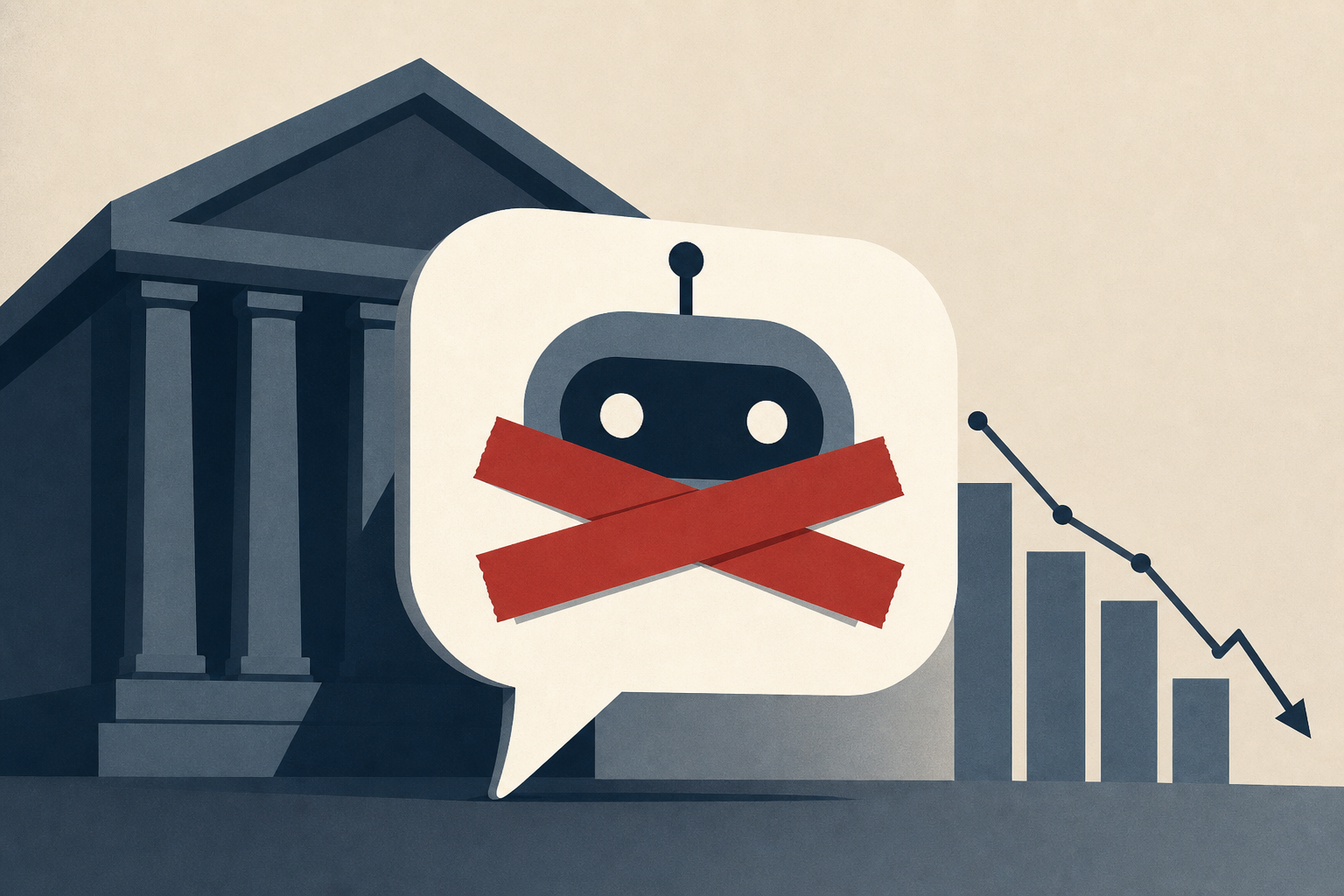
AI Generated Image
Government censorship affects AI chatbots, studies show
AP News • • business
Key Points:
- A Meta Oversight Board study found that major AI chatbots, including those from U.S. companies, are more likely to refuse criticism of restrictive leaders like Thailand’s king, Saudi Arabia’s crown prince, or China’s leader, while more willing to criticize leaders from permissive countries such as the U.S. and U.K.
- The study raises concerns that AI models may unintentionally extend government-imposed speech restrictions beyond national borders, potentially limiting freedom of expression globally as these technologies become more widespread.
- Researchers suggest that AI models may reflect latent biases in their training data and companies’ risk management strategies, though the exact causes of these selective responses remain unclear.
- A related academic study found that AI chatbots respond differently to political questions depending on the language used, indicating vulnerability to foreign government influence via non-English training data, though no intentional manipulation was detected.
- Experts emphasize the complexity of addressing these issues, recommending data audits and careful handling of state-influenced content, but acknowledge there is no straightforward solution to mitigating biases embedded in AI training data.


