AI Image
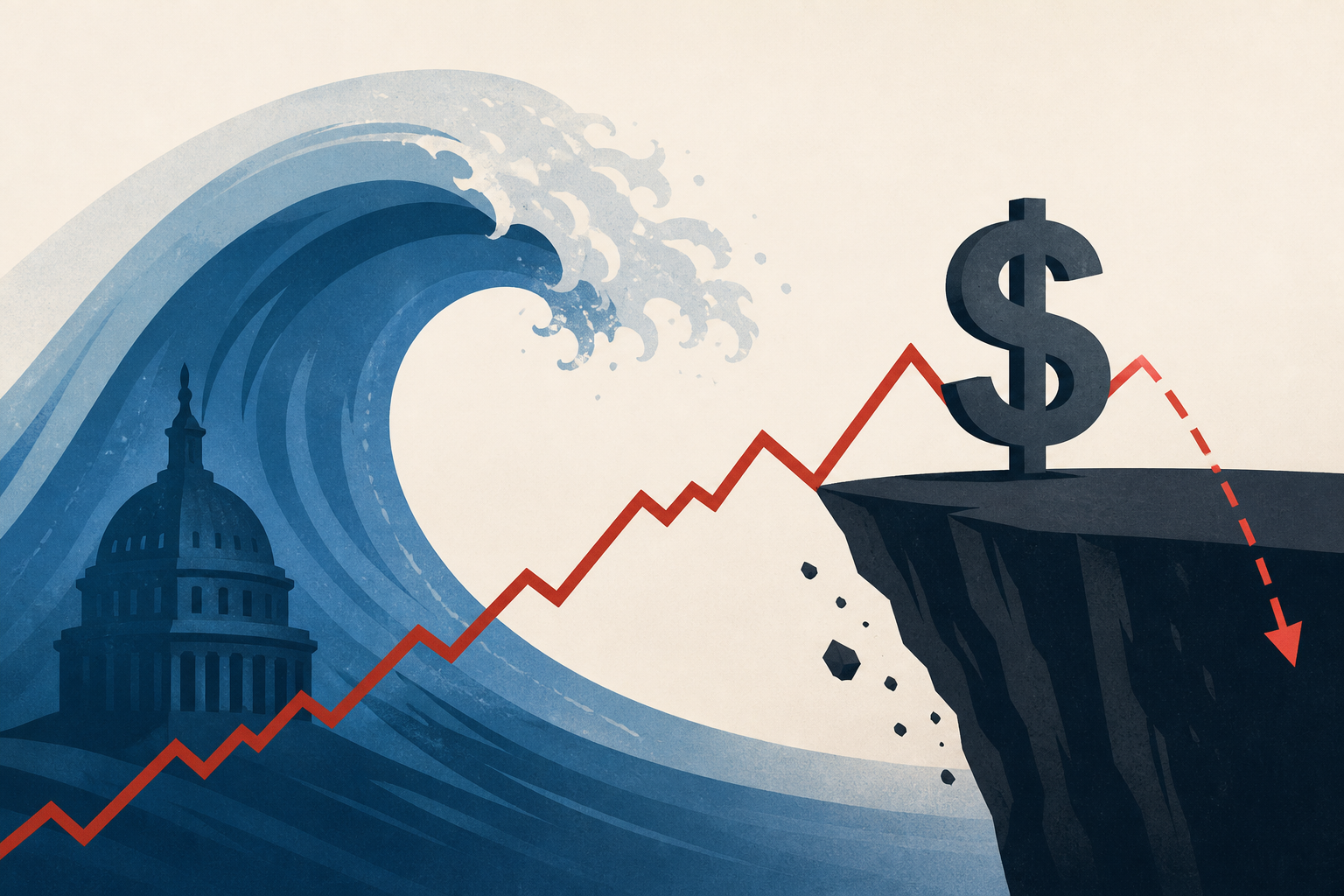
Growing Expectations for a Midterm Election "Blue Wave" Holds 2 Risks for the 2nd Priciest Stock Market in History
The Motley Fool • • business
Key Points:
- The Nov. 3 midterm elections could significantly influence the composition of Congress and impact major stock indices like the Dow Jones, S&P 500, and Nasdaq Composite over the next two years.
- Historically, the stock market has performed well regardless of which party controls the government, with the worst scenario since 1926 still yielding an average annual return of 7.33%.
- Prediction markets suggest a 68% chance of a Democratic sweep (blue wave), while only a 7% chance exists for a Republican sweep, indicating potential changes in legislative dynamics.
- A blue wave could increase calls for stricter AI regulations, potentially slowing the AI infrastructure build-out that has driven recent market gains, though presidential veto power could limit immediate changes.
- Debt-ceiling negotiations may become more contentious under divided government, risking prolonged government shutdowns and economic impacts that could negatively affect corporate earnings and the stock market.


