AI Image
Here's a handy primer on how the Fed's interest rate works : NPR
npr.org • • general
Key Points:
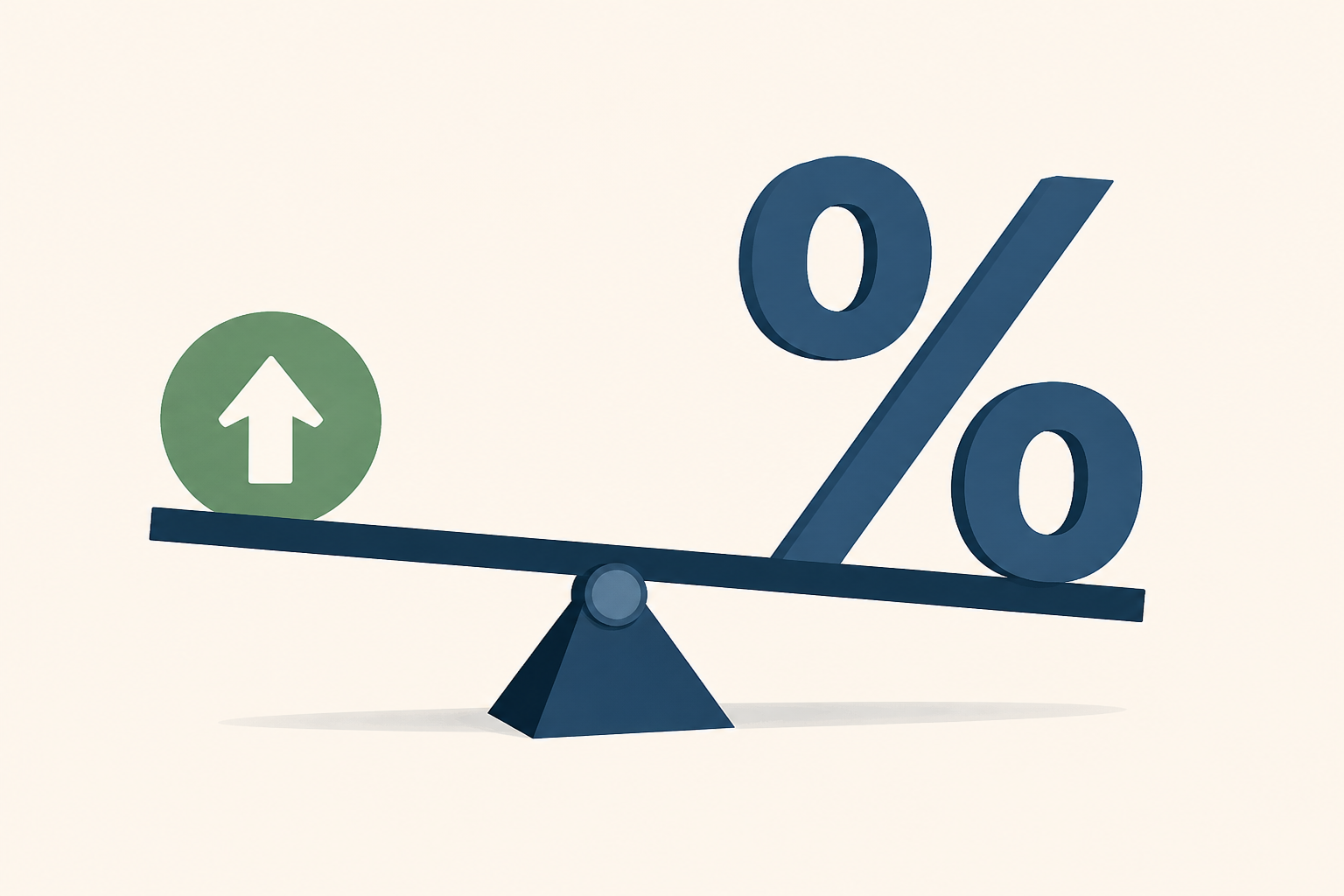
- The Federal Reserve raised interest rates by a quarter percentage point for the first time this year to combat accelerating inflation, aiming to cool down prices by making borrowing more expensive.
- The Fed's dual mandate is to maintain stable prices and achieve maximum employment, often requiring a balance between controlling inflation and supporting the labor market.
- Raising interest rates increases borrowing costs for mortgages, credit cards, and loans, which can slow consumer spending and economic activity, while lowering rates aims to stimulate growth.
- Despite the rate hike, borrowing costs were already rising, with mortgage rates nearing 7%, further challenging the housing market and increasing monthly expenses for consumers carrying debt.
- The Fed plans potentially another rate increase this year, but any significant relief from inflation is expected to be slow, influenced by external factors like geopolitical tensions affecting energy prices.


