AI Image
Herpes Virus Appears to Hijack The Brain's Immune Cells, And It Could Have Serious Consequences
Yahoo • • health
Key Points:
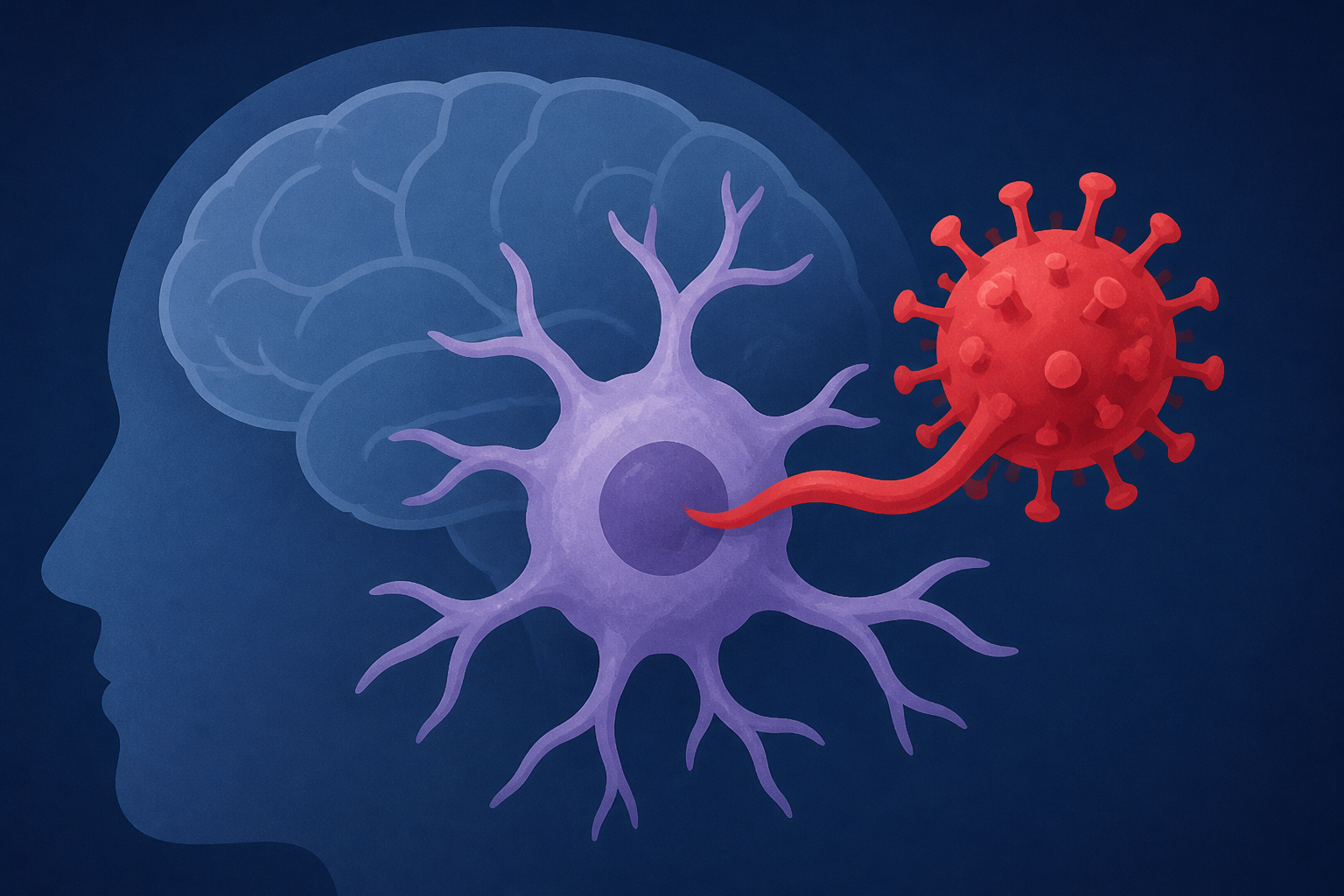
- New research reveals that the herpes simplex virus (HSV-1) can infect the brain and reprogram microglia, immune cells responsible for brain maintenance, potentially contributing to inflammation linked to Alzheimer's disease and cognitive decline.
- Infected microglia shift into an antiviral state with increased interferon signaling, which may impair their normal functions such as clearing neurotoxic factors and maintaining neuronal health.
- Experiments in mice showed HSV-1 localized in the brainstem, triggering a heightened immune response that suppresses genes involved in brain homeostasis, suggesting a mechanism by which HSV-1 infection could promote neurodegenerative conditions.
- While the study is limited to animal models and does not confirm progression to neurodegeneration, the findings highlight a possible pathway connecting HSV-1 infection to long-term neuroinflammation and Alzheimer's disease risk in humans.
- Researchers emphasize the need for further investigation into whether these microglial changes persist after infection and contribute to the development of neurological diseases.


