AI Image
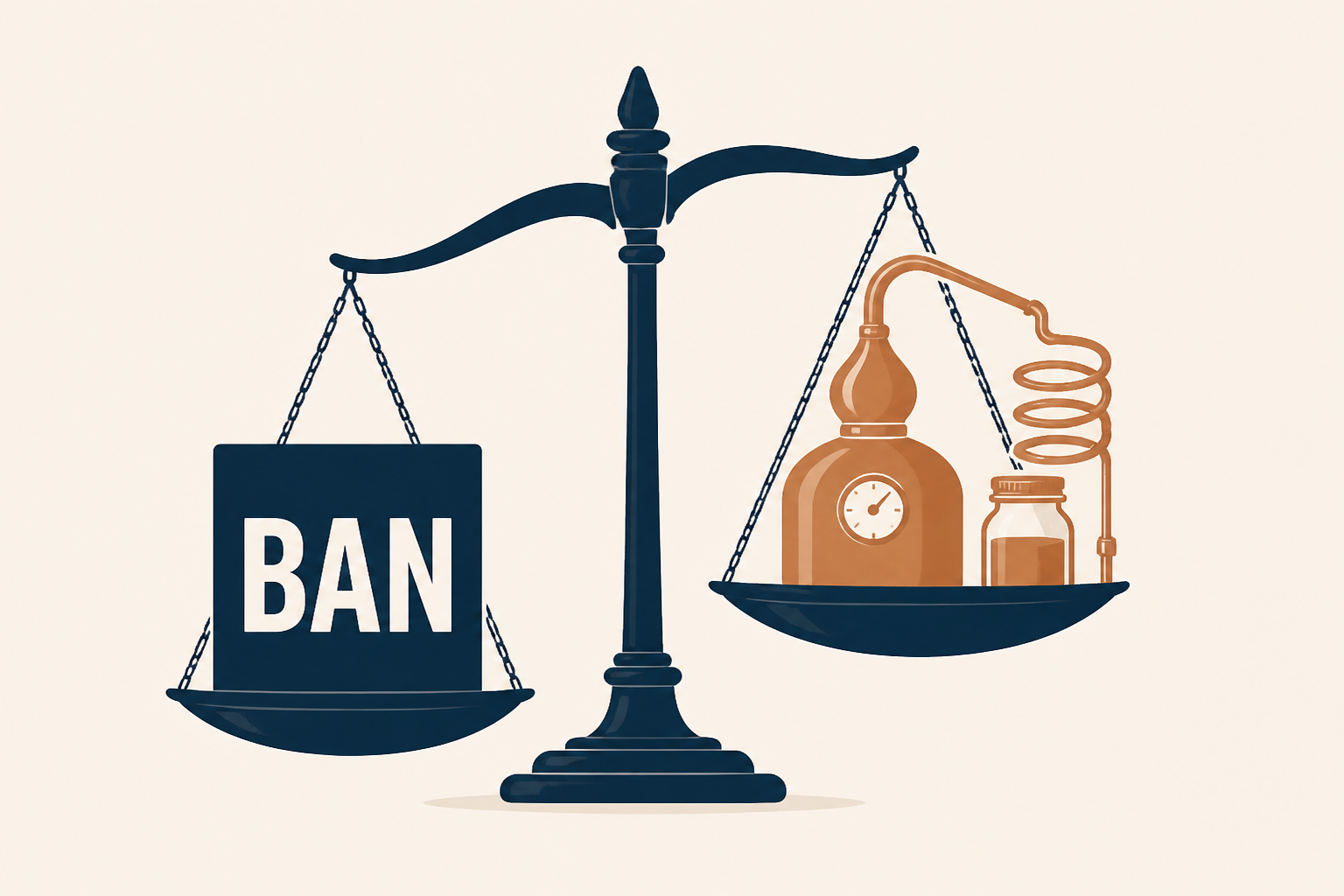
High spirits: Supreme Court to decide fate of federal ban on home distilling
NBC News • • general
Key Points:
- The Supreme Court will review the constitutionality of a 150-year-old federal ban on home distillation of spirits, which currently carries penalties including fines up to $10,000 and up to five years in prison.
- The ban, enacted in 1868 to prevent tax evasion, prohibits distilling spirits in any dwelling or surrounding structures, while home brewing of beer and wine remains legal.
- The challenge comes from the Hobby Distillers Association and individuals who argue Congress exceeded its taxing authority, with conflicting rulings from federal appeals courts prompting the Supreme Court to resolve the issue.
- If the ban is overturned, home distillers would still need to register their equipment and pay excise taxes on spirits produced for personal use.
- Some states, such as West Virginia, have legalized home distilling despite the federal ban, and there is ongoing legislative effort in Congress to repeal the federal restrictions.


