AI Image
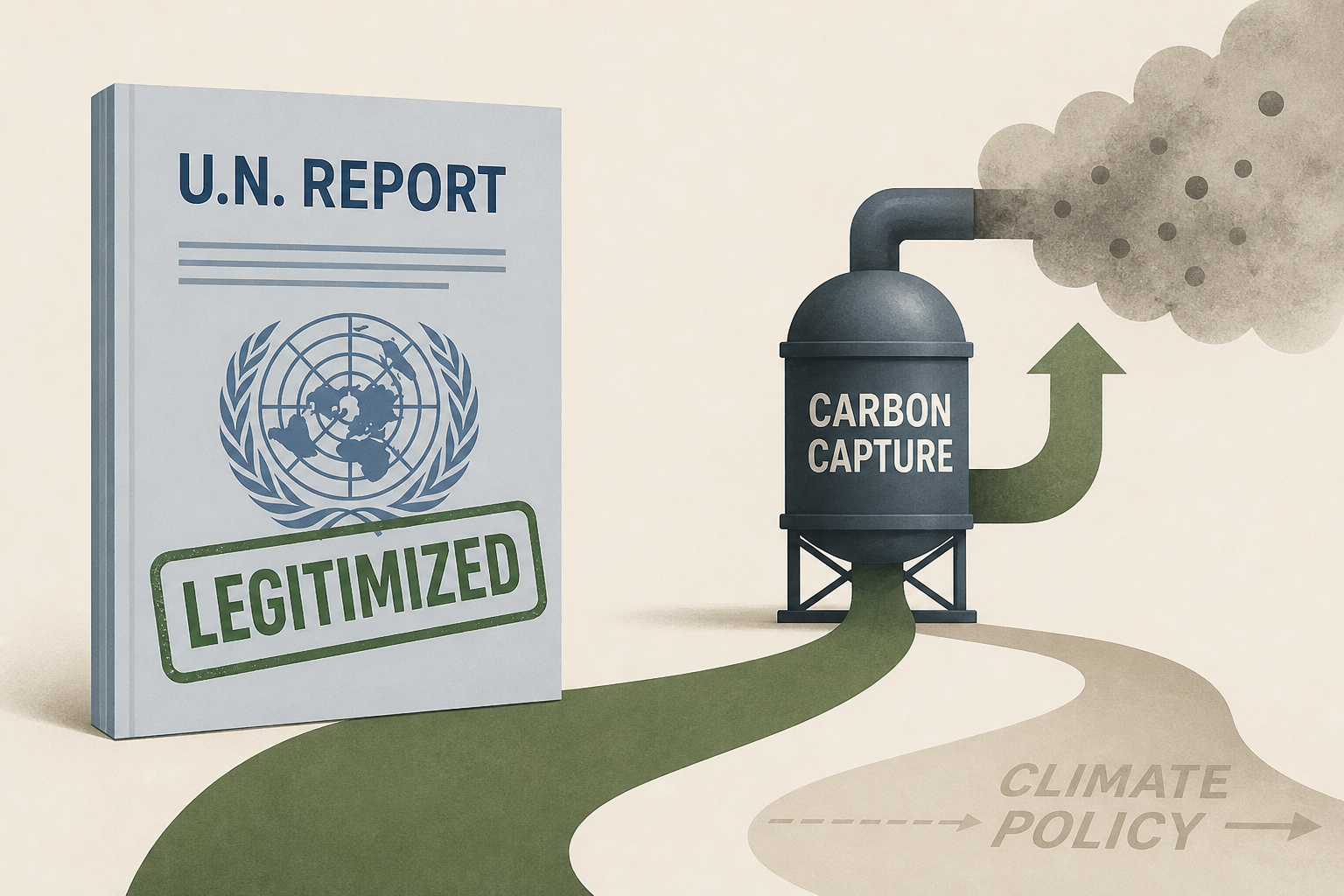
How a U.N. Report Legitimized Carbon Capture and Skewed Decades of Climate Policy
ProPublica • • world
Key Points:
- In 2005, the UN convened top scientists in Oviedo, Spain, to finalize a report on carbon capture and storage (CCS), a technology aimed at capturing CO2 emissions and storing them underground to combat climate change, despite limited testing and evidence at the time.
- The report, influenced by oil-exporting countries and industry researchers, portrayed CCS as a key climate solution capable of enabling continued fossil fuel use and significantly reducing CO2 emissions costs, though it relied heavily on expert elicitation surveys rather than robust scientific data.
- Since then, CCS has been widely integrated into climate models, policy frameworks, and net-zero pledges, with substantial public funding and industry support, but large-scale projects have largely failed to meet expectations due to technical, financial, and operational challenges.
- Leading scientists like Sally Benson, who co-led the UN report chapter on CCS storage, have championed the technology despite its setbacks, often funded by fossil fuel companies, raising concerns about potential industry influence on climate research and policy.
- Experts warn that scaling CCS to meet global climate goals would require unprecedented infrastructure and investment, with current projects capturing only a fraction of needed CO2, prompting calls for more realistic assessments of CCS’s feasibility and role in climate mitigation.


