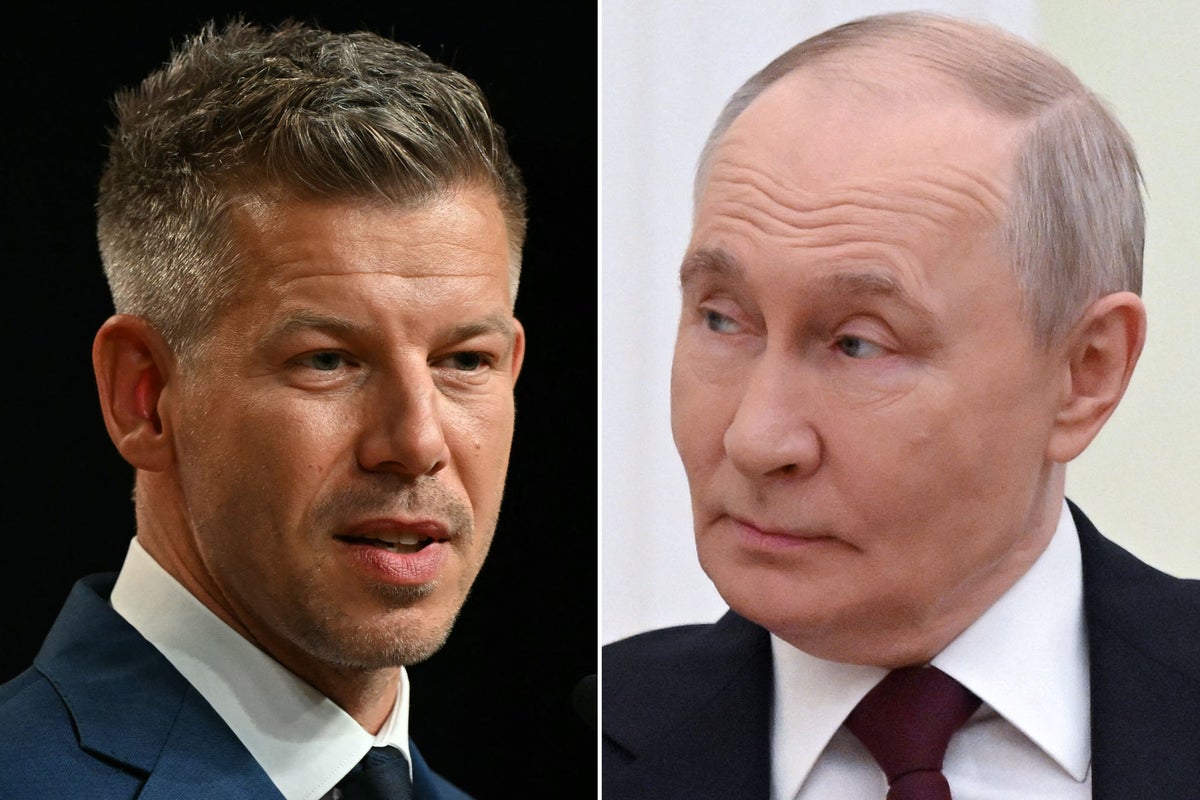
How Hungary’s new leader is turning into a bigger friend to Putin than anybody had thought
The Independent • • world
Key Points:
- Despite global distractions, Russia is experiencing a cash windfall from higher oil prices, sanctions relief on crude oil tankers to India, and increased LNG demand as Europe seeks alternatives to supplies blocked by the Strait of Hormuz.
- The Kremlin suffered a diplomatic setback with the electoral defeat of Hungary's pro-Russian Prime Minister Viktor Orban, but his successor still supports resuming Russian oil supplies via the Druzhba pipeline, complicating EU efforts to reduce dependence on Russian energy.
- Spain has also increased its imports of Russian LNG, highlighting Europe's pragmatic energy diversification amid global instability, even as it funds Ukraine's defense against Russian aggression.
- Russia's economy remains fragile, with low per capita incomes, slow GDP growth, high inflation, and significant budget strain from the war in Ukraine; prominent Russian economists and officials have publicly acknowledged these challenges.
- Militarily, Russia is preparing a major ground offensive in southeastern Ukraine, aiming to capture the Donbas region by September, while Ukraine continues targeting Russian oil and gas infrastructure to disrupt Kremlin revenues.


