AI Image
How lead could be a clue to deciphering the Herculaneum scrolls
CNN • • science
Key Points:
- Hundreds of fragile, carbonized Herculaneum scrolls from Mount Vesuvius’ AD 79 eruption remain unread in Italy’s National Library of Naples, as their soot-based ink is difficult to detect with traditional methods.
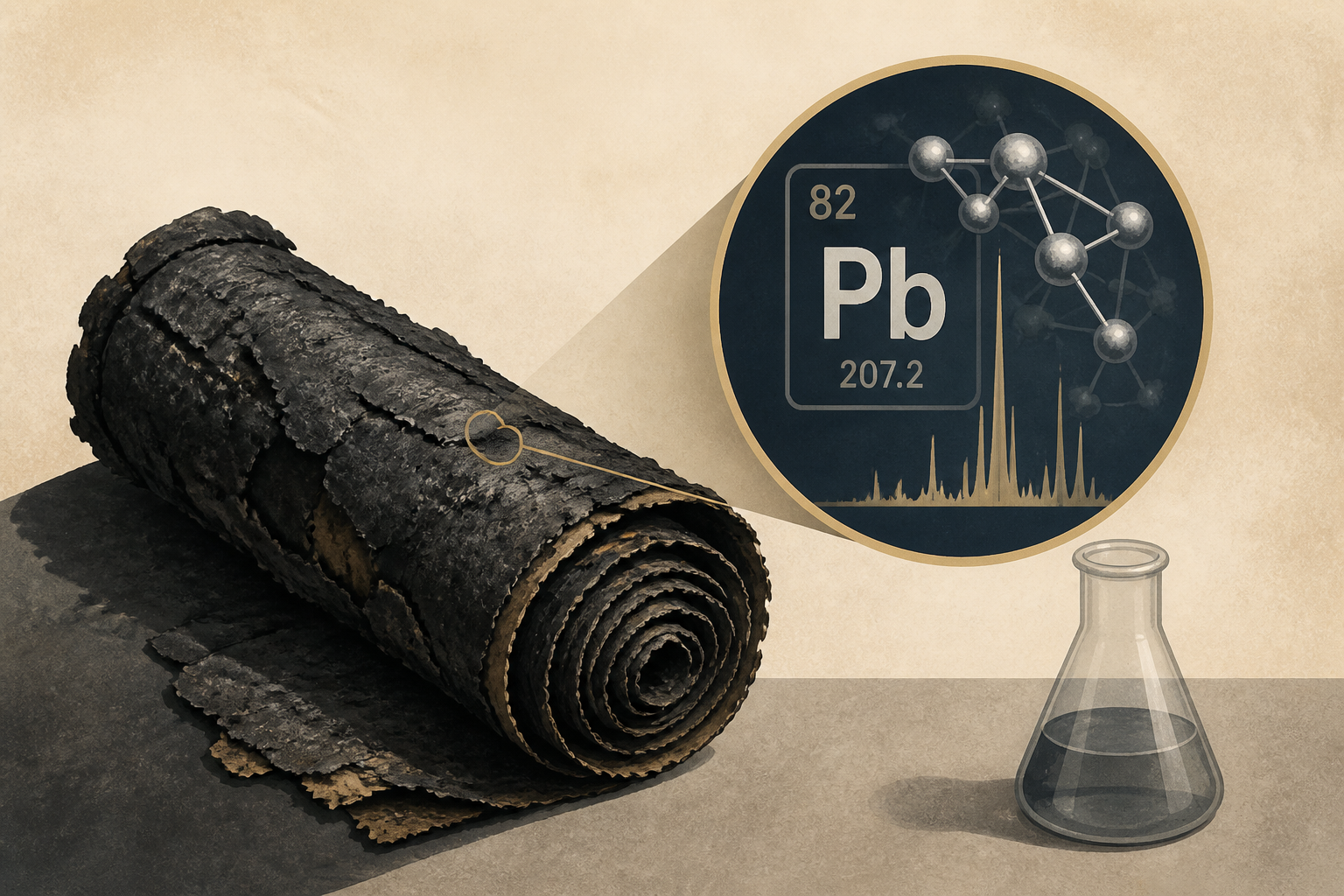
- A new study demonstrates that X-ray imaging can more effectively detect lead-containing ink, present in some scrolls, aiding AI in virtually unrolling and deciphering texts noninvasively.
- Researchers recreated scrolls with varying lead concentrations in ink, carbonized them to mimic original conditions, and successfully identified readable text using X-ray tomography and virtual unrolling techniques.
- The findings suggest scanning for lead could prioritize which scrolls are best suited for virtual unrolling, potentially expanding the number of decipherable texts beyond the few already decoded through initiatives like the Vesuvius Challenge.
- While lead in ink appears accidental rather than standard, its presence enhances readability via AI, offering new hope for recovering ancient writings previously thought inaccessible.


