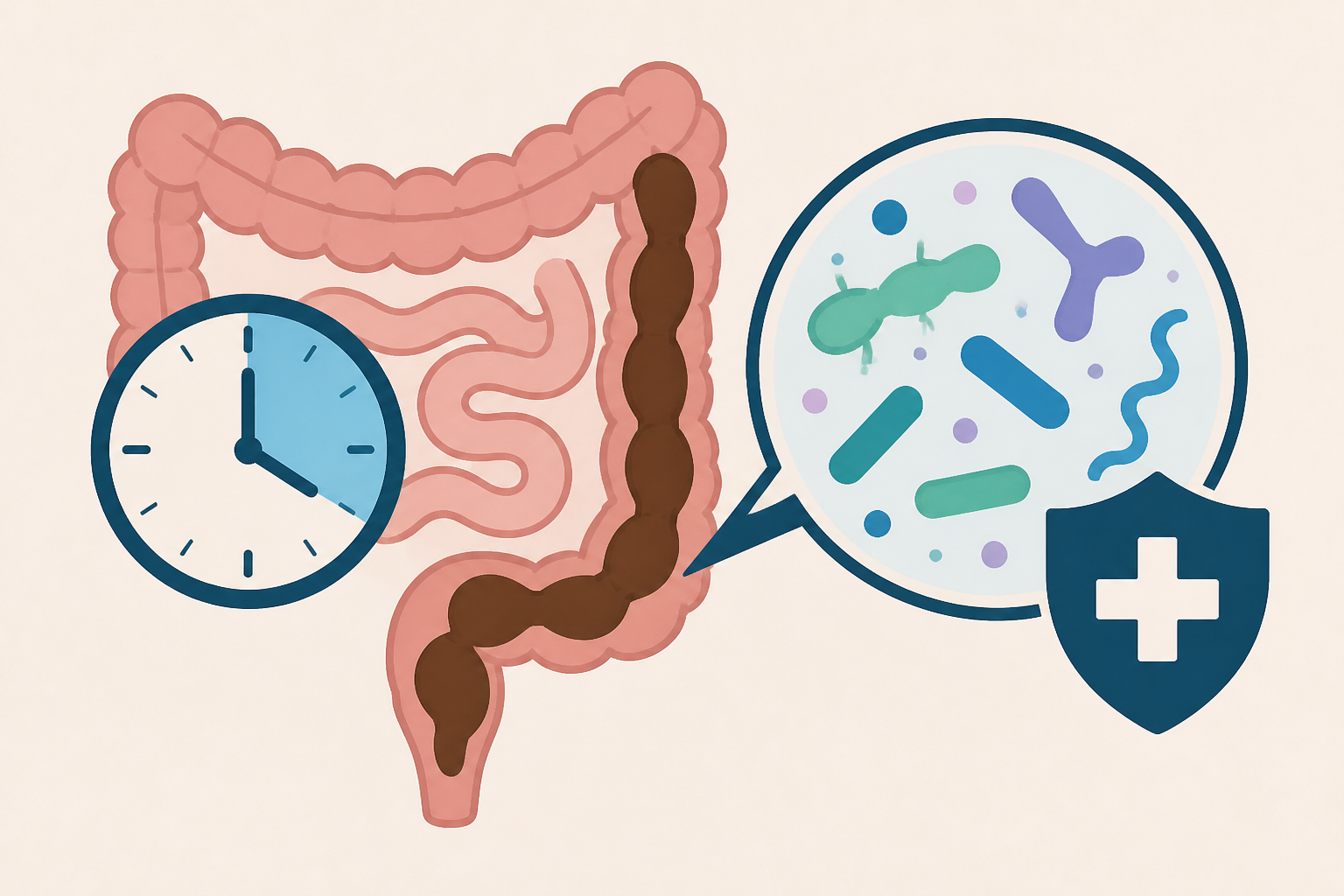
AI Generated Image
How Long Poop Stays in Your Body Could Be Quietly Shaping Your Gut Microbiome - And Disease Risk
ScienceAlert • • health
Key Points:
- Research published in 2023 highlights the significant role of gut transit time—the duration food takes to move through the digestive system—in shaping the gut microbiome and influencing overall health.
- Factors affecting gut transit time include diet, sex, age, physical activity, stress, medication, and genetics, with variations potentially impacting gastrointestinal conditions such as irritable bowel syndrome (IBS), inflammatory bowel disease (IBD), and even colon cancer risk.
- Slow gut transit may lead to harmful microbial activity, producing toxic compounds and reducing beneficial short-chain fatty acids, which can damage colon cells and promote inflammation.
- Altered gut transit times are also linked to neurological diseases like Parkinson's, Alzheimer's, and multiple sclerosis, suggesting effects beyond the digestive system.
- The study calls for more research incorporating gut transit time measurements to better understand its connections with the gut microbiome, diet, and disease prevention, diagnosis, and treatment.


