How the Iran war has changed perceptions of American power
The Christian Science Monitor • • world
Key Points:
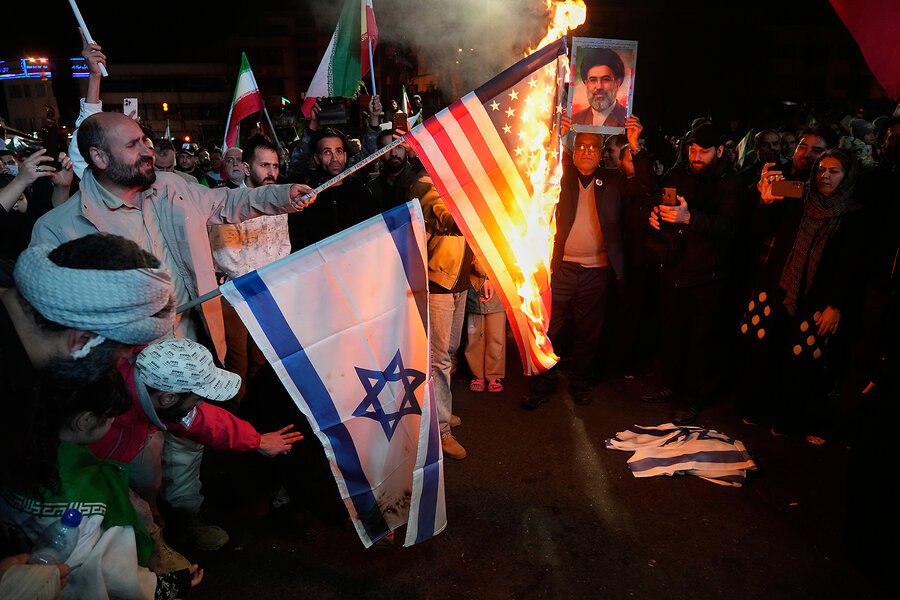
- Following President Trump’s announcement of a ceasefire with Iran, Iranians demonstrated strong nationalism in Tehran, defying U.S. expectations and signaling resistance to American pressure and threats.
- The Iran conflict has exposed a shift in global perceptions of U.S. power, revealing a superpower seen as impulsive and strategically inept, diminishing its role as a reliable anchor of international stability.
- The war highlighted the effectiveness of asymmetric warfare, with Iran leveraging drones, missiles, and control of the Strait of Hormuz to counterbalance U.S. conventional military superiority.
- U.S. allies expressed concern over the lack of consultation and unclear objectives in the conflict, raising doubts about America’s commitment and strategic planning in global affairs.
- Analysts compare the current situation to the 1956 Suez Crisis, suggesting the Iran war marks a turning point that exposes U.S. weaknesses and signals a more unpredictable and diminished American role on the world stage.


