AI Image
How to recognize the signs of scoliosis
USA Today • • health
Key Points:
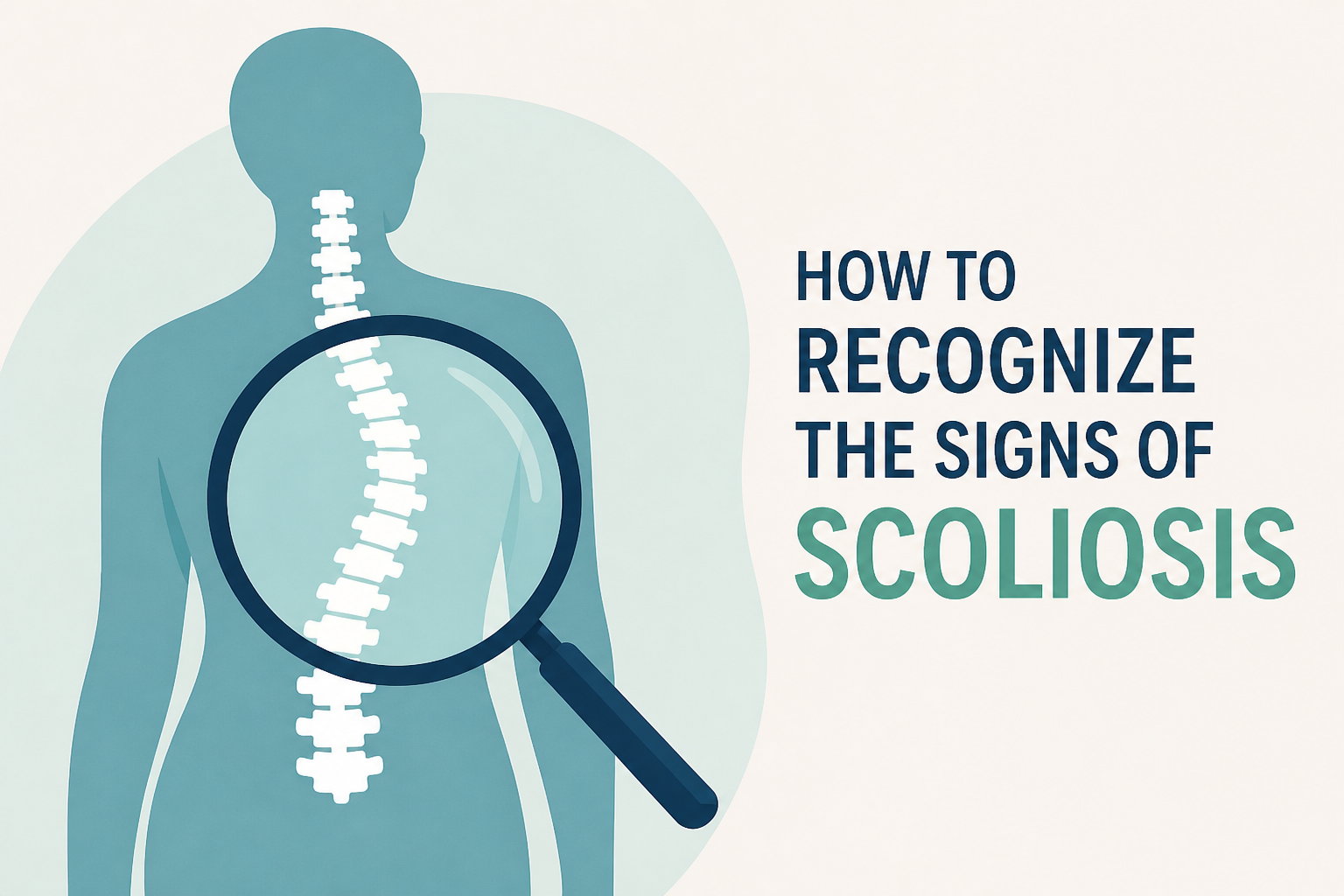
- Scoliosis, characterized by a C- or S-shaped spinal rotation, is most commonly diagnosed in children around age 11 but can also affect adults, often going unnoticed due to mild or absent symptoms.
- Back pain is not always present in scoliosis patients; only about 48% of adolescents report pain, which can range from dull to sharp depending on severity.
- Physical signs include asymmetry such as uneven shoulders or waist creases, difficulty with the forward bend test revealing spinal rotation, and uneven clothing fit in adults.
- Many individuals, especially adolescents, may have significant spinal curvature without symptoms, making scoliosis detection reliant on physical exams or observations by caregivers and health professionals.
- Adults with scoliosis may experience additional complications like nerve compression, leg pain, and mobility issues, while children’s main concern is potential progression during growth.


