AI Image
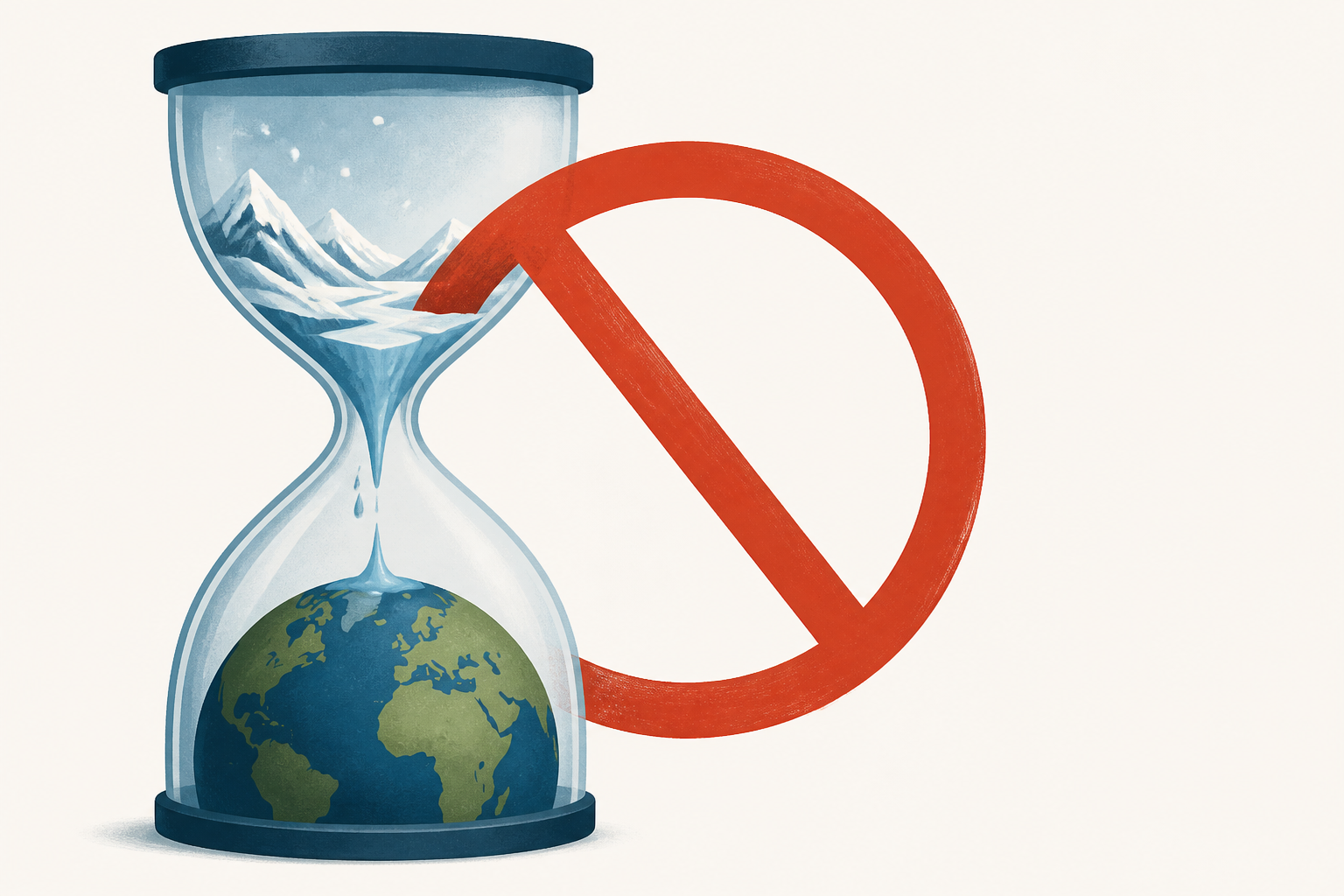
Humans accidentally canceled the next ice age - but it's no reason to celebrate, scientists say
KSL News • • general
Key Points:
- New research on the shrinking Barnes Ice Cap in Arctic Canada suggests human-driven climate change has halted the planet's next ice age, which had begun about 2,000 years ago with the ice cap's steady regrowth.
- Scientists used radiocarbon dating of ancient mosses and isotope analysis of rocks to reconstruct the ice cap's history, finding it reached minimum size 3,000 years ago and started expanding before reversing course around 1960 due to rising temperatures.
- The study challenges previous assumptions by proposing that the initial regrowth of the Laurentide Ice Sheet marks the start of a new ice age, which has since been interrupted by greenhouse gas emissions.
- Some experts caution that the evidence from the Barnes Ice Cap alone may not confirm an aborted glacial cycle, noting other models predict the next ice age would not occur for tens of thousands of years even without global warming.
- The findings also shed light on the 1970s "global cooling" concerns, suggesting a new glaciation had indeed begun then but was stopped by modern climate change, highlighting the profound impact humans have had on Earth's natural cycles.


