AI Image
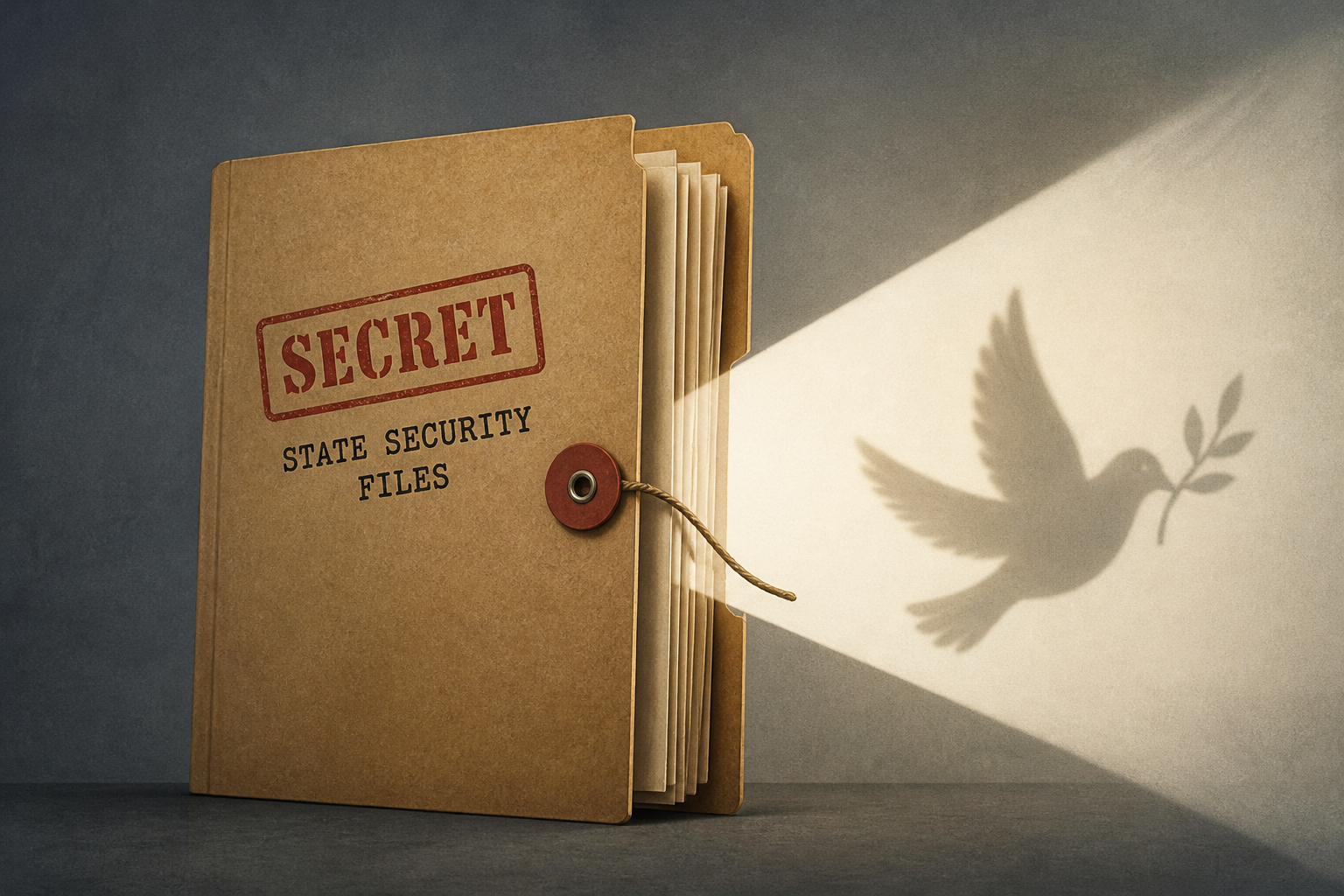
Hungary opens secret police files, 37 years after fall of communism
BBC • • world
Key Points:
- Hungary has publicly opened communist-era secret police files dating back to the 1940s, aiming to help society confront and heal from the traumas of 45 years of communist rule, with around 60,000 informers' data now accessible online.
- The release coincides symbolically with the anniversary of the 1956 Soviet crackdown on the Hungarian revolution, and Prime Minister Péter Magyar framed it as a long-overdue step toward transparency and national reconciliation.
- Critics argue the files are incomplete, many were destroyed or censored, and the disclosures risk causing pain to families and fostering division, especially since many informers were coerced or blackmailed under oppressive conditions.
- Further detailed files, known as "B-dossiers," are set to be released in February, but historians caution against hasty judgments, noting that agent motivations and contexts are often unclear or missing from the records.
- The debate highlights tensions between the public's right to know the past and the complexities of interpreting historical surveillance data, with some viewing the move as politically motivated or insufficiently nuanced.


