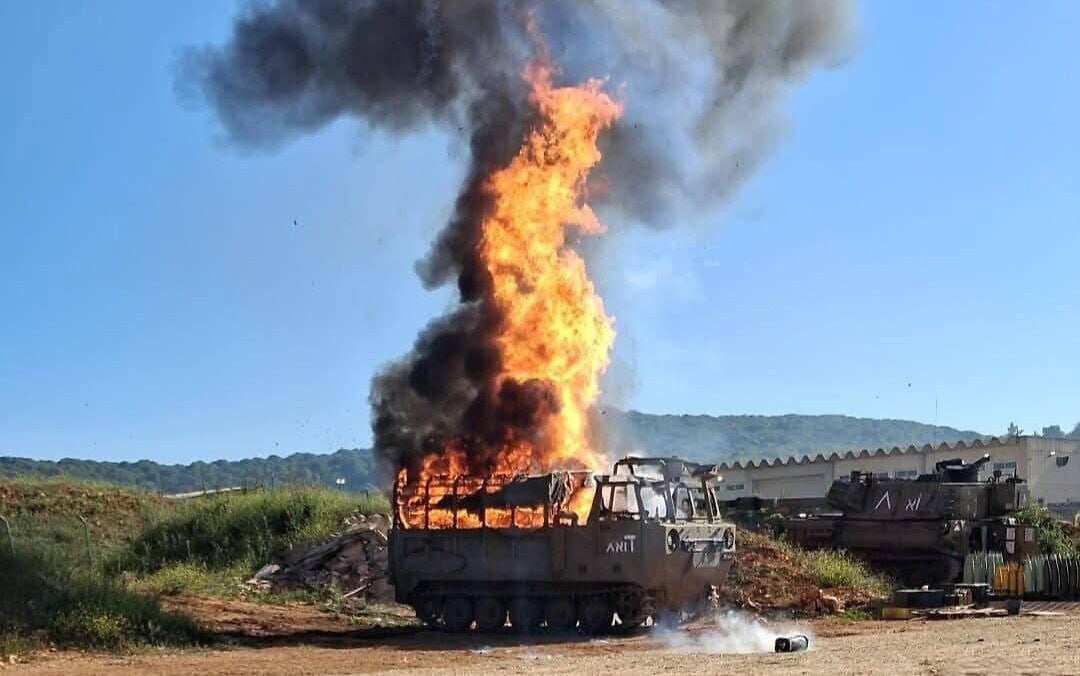
Hunted by drones it should have seen coming, Israel now sees its Lebanon strategy at risk
The Times of Israel • • world
Key Points:
- Hezbollah has significantly advanced its drone capabilities, using explosive-laden first-person view (FPV) drones to attack Israeli Defense Forces (IDF) troops in southern Lebanon, causing casualties and exposing gaps in Israel’s countermeasures.
- Israel’s military, long accustomed to air superiority, is now scrambling to develop technological and tactical solutions to counter fiber-optic guided drones that evade electronic jamming, but effective defenses are not expected soon.
- The growing threat from Hezbollah’s drones challenges Israel’s buffer zone strategy in Lebanon, as troops face increased risks from precision drone strikes, similar to shifts seen in conflicts like Ukraine, Syria, and Nagorno-Karabakh.
- Historically, Israel reduced tactical air defense for ground forces, focusing on strategic air defense against rockets; recent events have prompted a slow revival of mobile air defense units to protect troops from low-altitude drone threats.
- Despite recognizing the urgency, Israel has yet to fully leverage international partnerships, such as with Ukraine, which has extensive drone warfare experience, partly due to diplomatic tensions, potentially hindering Israel’s efforts to counter the evolving drone threat.


