What to know about hantavirus
NBC News • • health
Key Points:
- A hantavirus outbreak on an Atlantic Ocean cruise ship resulted in three deaths and three illnesses, with the virus confirmed in one case and suspected in five others, according to the World Health Organization and Oceanwide Expeditions.
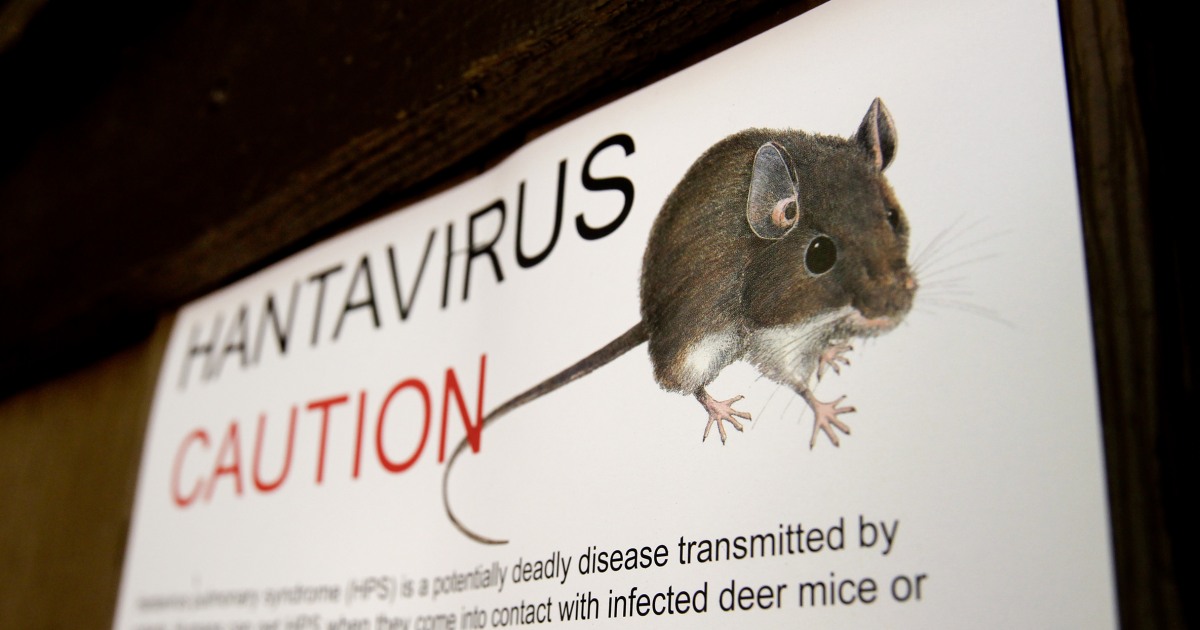
- Hantaviruses are transmitted by rodents, primarily deer mice, through their saliva, droppings, and urine; the virus can cause hantavirus pulmonary syndrome (HPS), a severe respiratory illness with a fatality rate up to 40%.
- Symptoms of hantavirus infection include fatigue, fever, muscle aches, headaches, dizziness, and in severe cases, respiratory distress with fluid in the lungs, which can rapidly progress and be fatal within hours.
- The disease was first identified in the U.S. in 1993 after an outbreak in the Southwest, with over 890 cases reported nationwide since then; there is no vaccine or specific treatment, so prevention and supportive care are critical.
- Hantavirus is primarily contracted by inhaling aerosolized rodent excreta, often during cleaning in rodent-infested areas; precautions include wearing gloves and masks, ventilating spaces, and avoiding sweeping or vacuuming droppings to prevent airborne exposure.


 { path { fill: %23EEEFE9 } })