AI Generated Image
Hypoxia rescues complex 1-associated disease caused by proteostatic defects
Nature • • health
Key Points:
- Researchers identified HTRA2 deficiency, a cause of severe neurodegenerative phenotypes in mice, as amenable to hypoxia therapy, with low oxygen exposure nearly tripling lifespan and improving motor function in mutant mice.
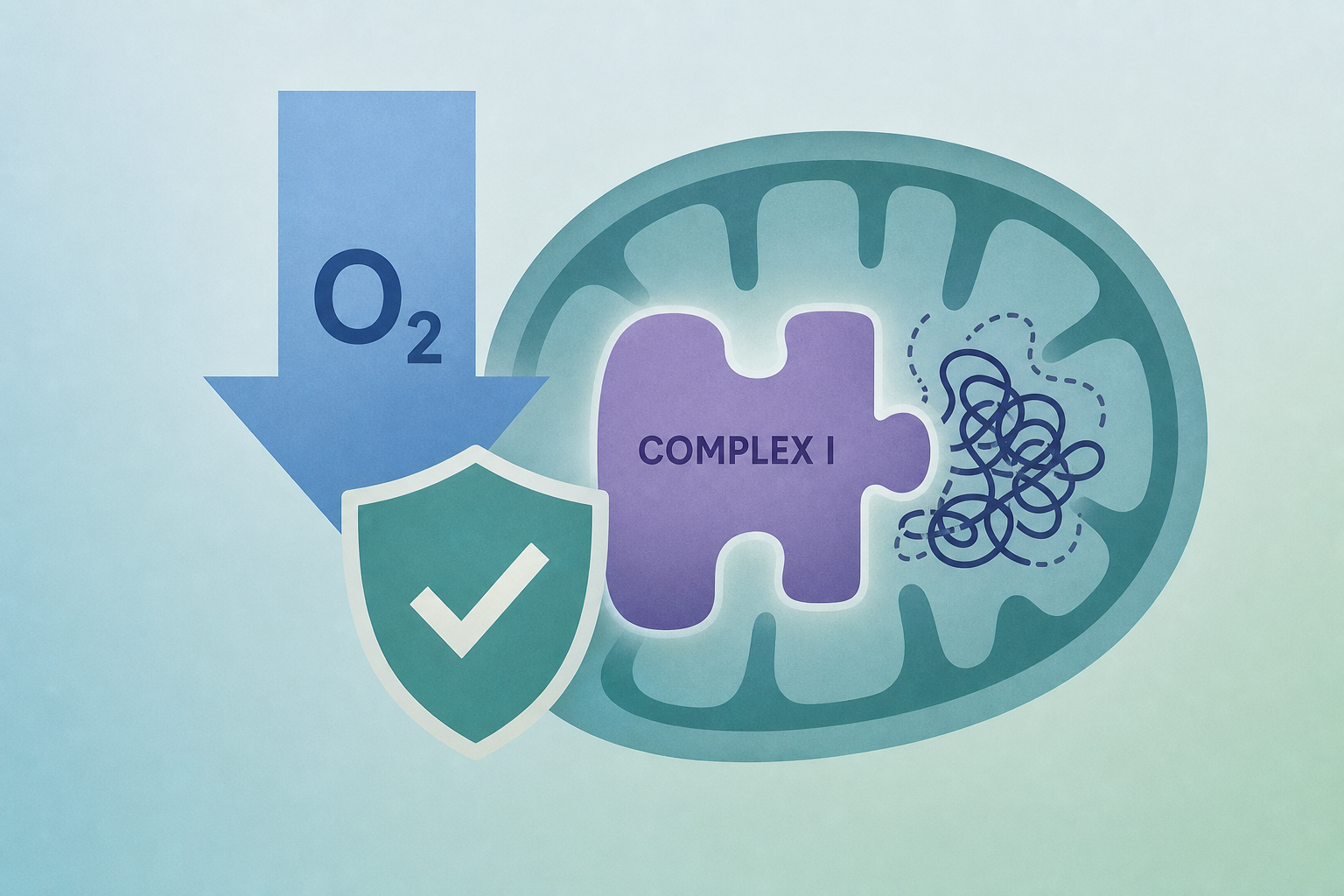
- HTRA2 loss leads to instability and aggregation of mitochondrial complex I (C1) subunits, particularly in the striatum, causing local tissue hyperoxia that hypoxia treatment can reverse by restoring oxygen homeostasis.
- HTRA2 functions in mitochondrial intermembrane space (IMS) proteostasis in coordination with the disaggregase CLPB and HAX1; loss of these proteins causes C1 subunit aggregation and dysfunction, which hypoxia also rescues.
- Biochemical assays revealed that HTRA2 degrades aggregated mitochondrial proteins while CLPB disaggregates them, acting competitively on shared substrates, thereby maintaining mitochondrial protein quality control and C1 stability.
- The study supports hypoxia therapy as a promising treatment for mitochondrial diseases involving C1 dysfunction and proteostasis defects, and highlights development of small molecules mimicking hypoxia effects for potential clinical application.


