AI Image
'I Got Rhabdomyolysis From a Kettlebell Workout'
Women's Health • • health
Key Points:
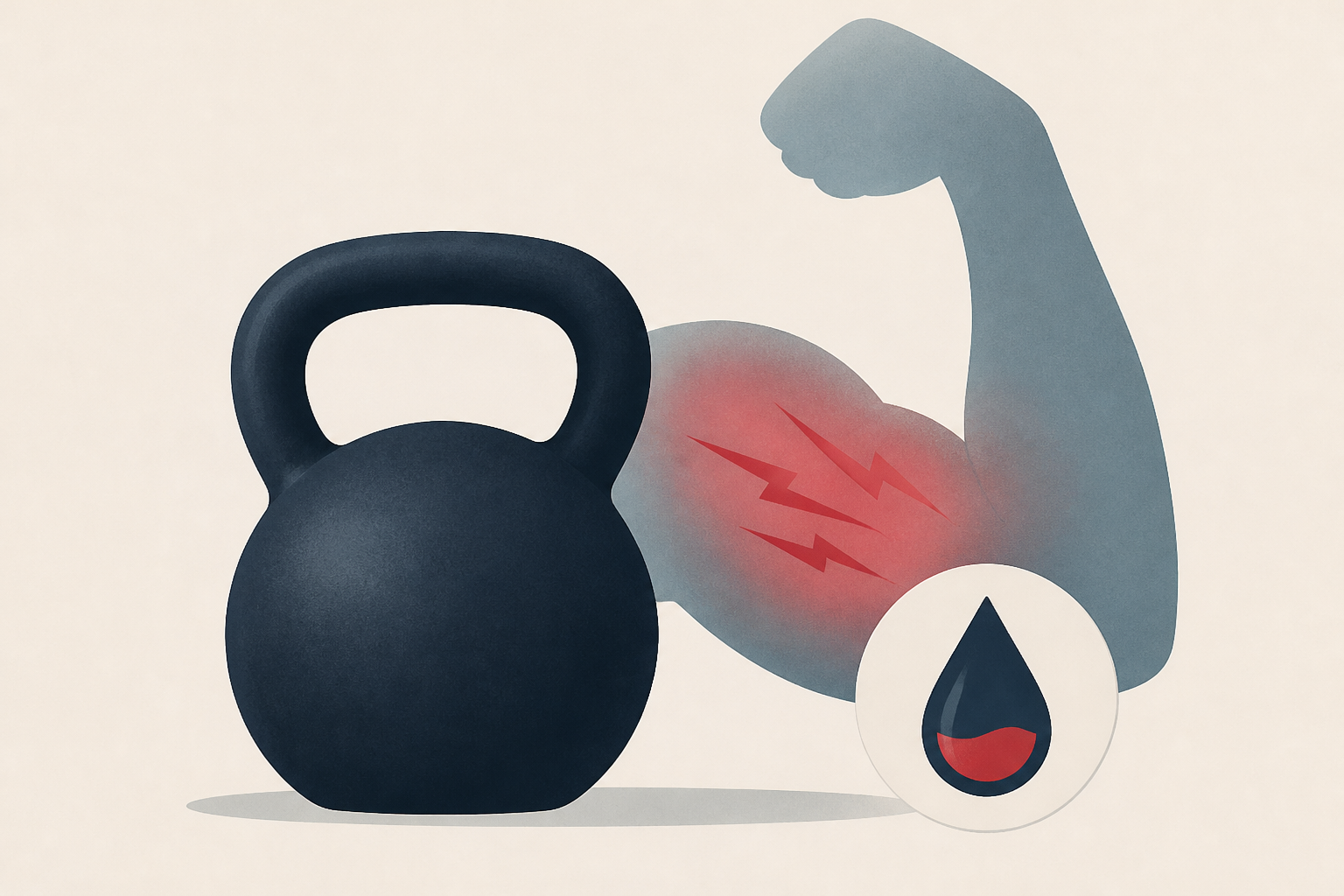
- The author experienced exercise-induced rhabdomyolysis (rhabdo) after a 25-minute kettlebell workout, which caused severe muscle breakdown and dark, brownish urine, leading to hospitalization with a creatine kinase level of 90,000 U/L—far above the normal range.
- Rhabdomyolysis occurs when damaged muscle tissue releases harmful substances into the bloodstream, potentially causing kidney damage, and requires immediate medical treatment such as IV fluids to prevent renal failure.
- Exercise-induced rhabdo is relatively rare but has seen an increase linked to high-intensity workouts; it often affects healthy, fit individuals who overexert themselves when trying new exercises or returning after a break.
- Experts advise easing into new or resumed workout routines and listening to your body's warning signs, such as severe muscle pain, to avoid overexertion and injury.
- Taking rest days and not pushing through extreme soreness can promote better recovery and prevent serious complications like rhabdomyolysis.


