AI Image
In wake of Legionnaires' outbreaks, a debate over NYC's water and industry influence
gothamist.com • • health
Key Points:
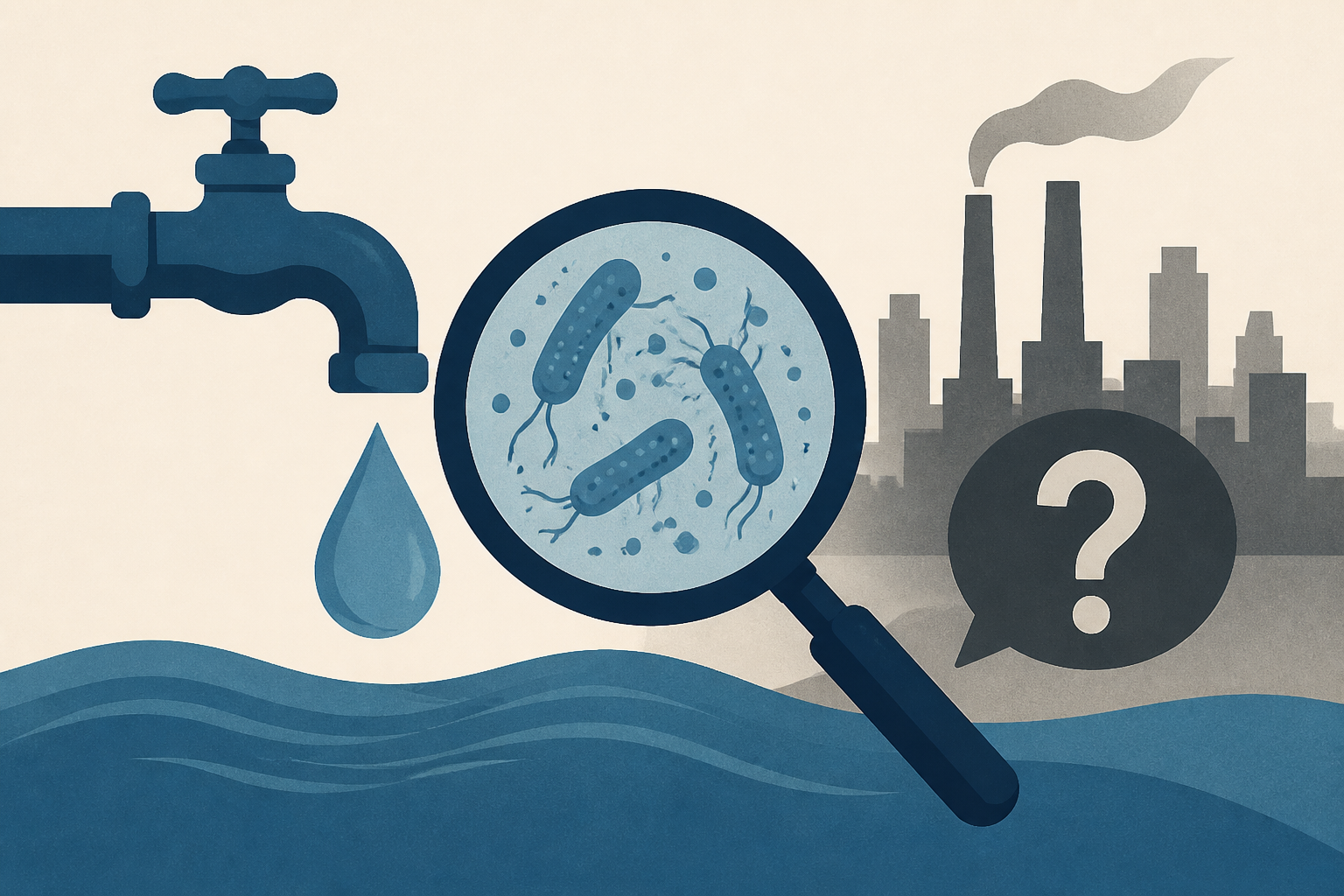
- New York City faces debate over whether to build a multibillion-dollar filtration plant to combat Legionnaires’ disease, with some experts arguing the city’s water supply carries dangerous Legionella bacteria contaminating plumbing and cooling towers.
- The Alliance to Prevent Legionnaires’ Disease, largely funded by cooling tower manufacturers, advocates for a “source to tap” approach involving filtration and comprehensive water monitoring, while critics say cooling towers are the primary outbreak source and filtration would be costly and ineffective.
- City officials and independent experts maintain that Legionella levels in NYC’s unfiltered water supply are low and not a public health threat, emphasizing strict cooling tower regulations and targeted testing within building plumbing systems instead.
- NYC’s water comes mostly unfiltered from upstate reservoirs, protected by watershed land controls, with only a portion filtered at the Croton Filtration Plant; the city treats water with UV radiation and chlorine but does not regularly test for Legionella.
- Some experts call for enhanced water management plans for buildings and more frequent testing after environmental changes, arguing that monitoring and treating water within buildings is a more practical approach than large-scale filtration.


