AI Image
Inside Amazon’s robotic arms race and what it means for the future of human work
Ars Technica • • business
Key Points:
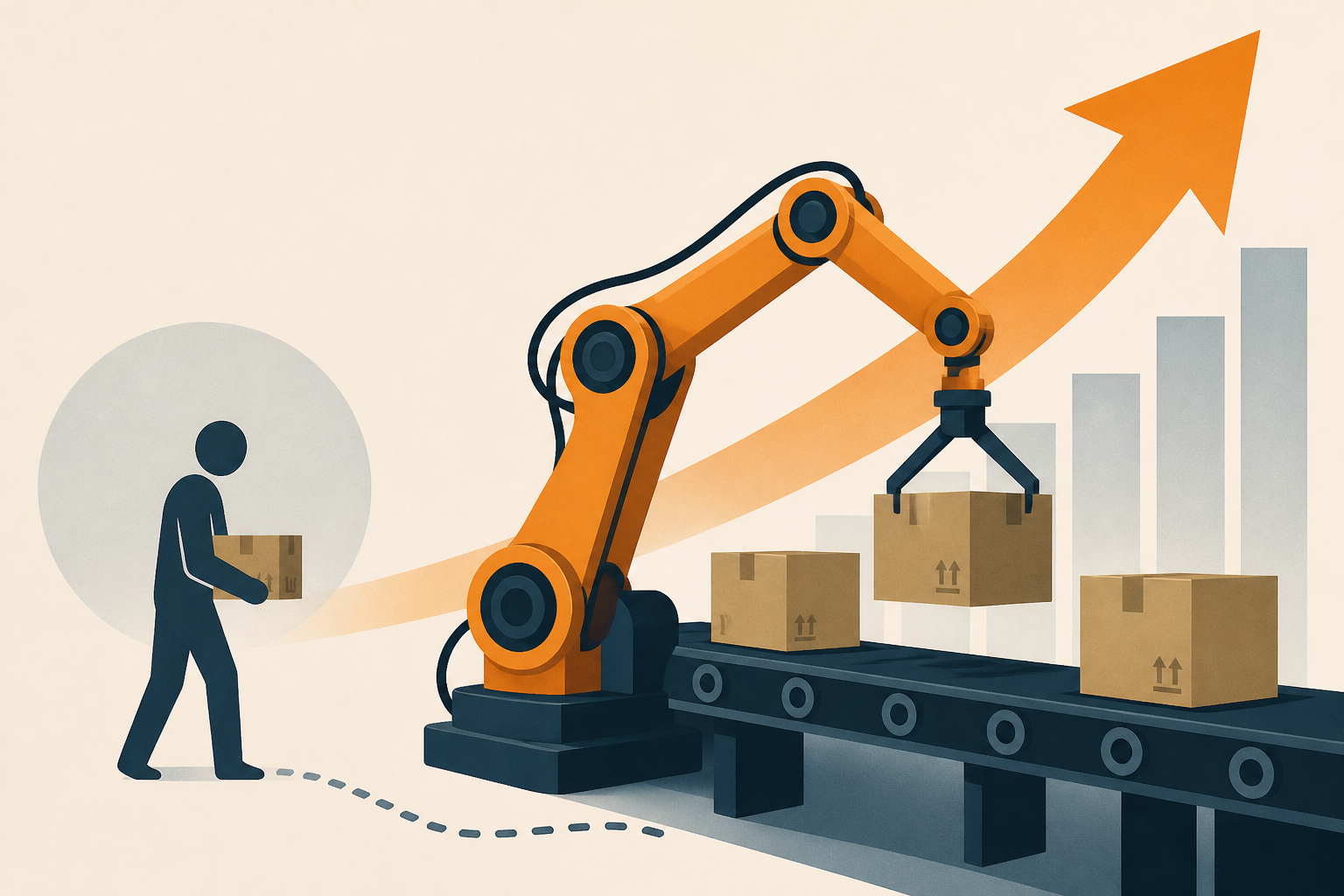
- Amazon operates the world's largest fleet of over 1 million warehouse robots and plans to expand this robotic workforce significantly with new manufacturing facilities. Despite heavy automation, Amazon remains the second-largest employer globally with over 1.5 million workers.
- The company claims robots alleviate human workers' physical burdens by handling the most strenuous and risky tasks, but labor groups and researchers report increased work pace and repetitive strain injuries linked to robot-human collaboration in warehouses.
- Amazon Robotics has developed advanced AI-driven robotic arms like Robin, Cardinal, Sparrow, and Vulcan, which improve picking and packing efficiency using machine learning and sensory feedback, enabling handling of diverse products and denser packing.
- Studies show robotic warehouses reduce severe injuries but increase less severe repetitive strain injuries due to the faster pace robots impose on human workers, raising concerns about workplace safety and mental stress.
- While Amazon promotes robotics as creating higher-skilled jobs and expanding employment, internal documents suggest automation could reduce future hiring needs by hundreds of thousands, fueling ongoing debates about labor conditions and union advocacy for worker safety.


