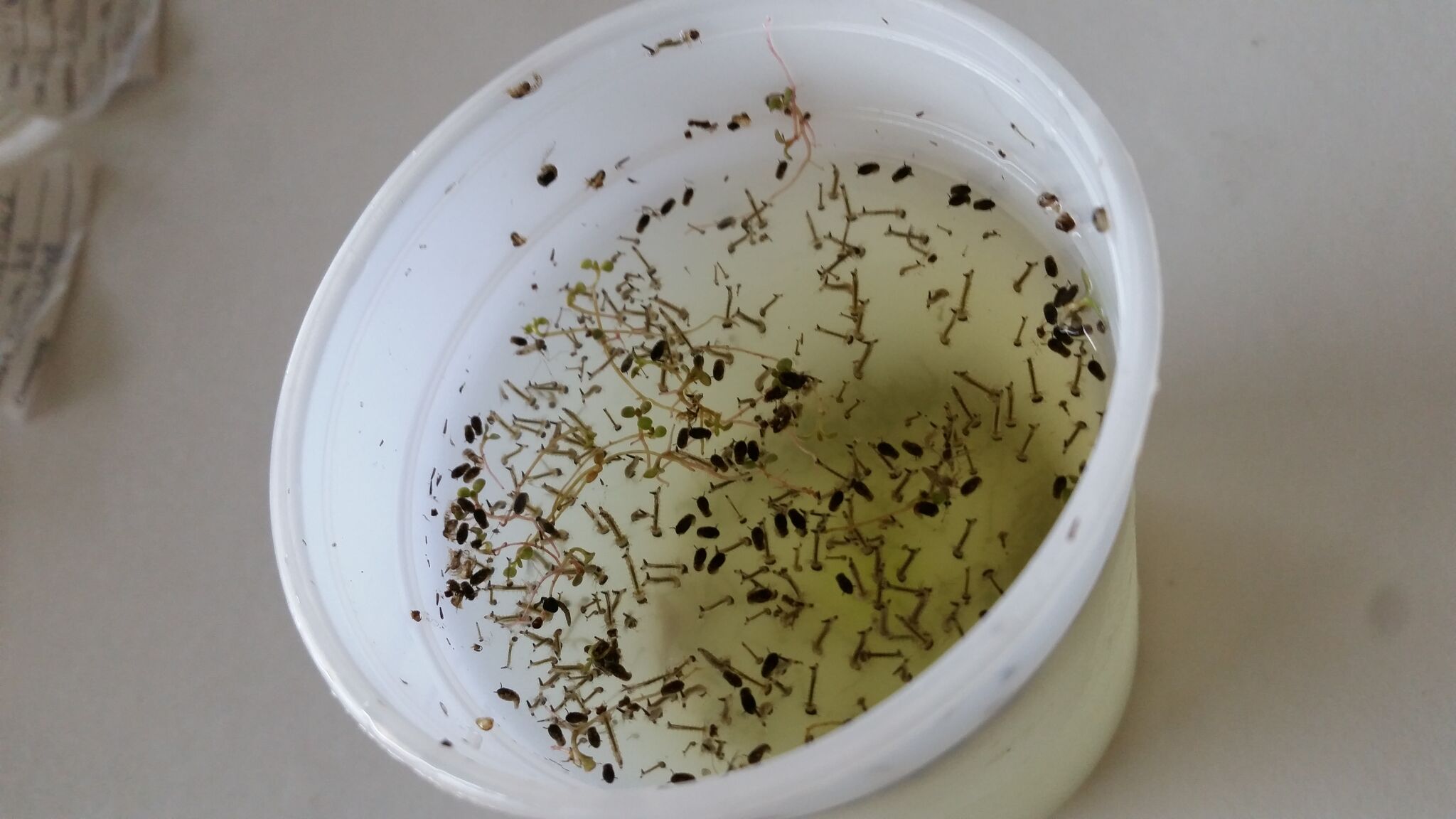
Invasive mosquitoes could surge as Bay Area season starts early
San Francisco Chronicle • • health
Key Points:
- The Bay Area is experiencing an earlier and longer mosquito season this year due to a mild winter, warm weather in February and March, and a rainy spring, creating ideal breeding conditions and increasing the risk of mosquito-borne diseases like West Nile virus.
- The invasive Aedes aegypti mosquito, capable of transmitting serious diseases such as dengue, Zika, yellow fever, and chikungunya, has been detected earlier than usual in parts of Contra Costa County and is spreading in the Bay Area.
- Mosquito control officials are considering innovative measures like releasing sterile male mosquitoes to curb the Aedes aegypti population, aiming to prevent a potential surge similar to those seen in Southern California.
- Residents are urged to eliminate standing water around their homes, use EPA-approved mosquito repellents, and report dead birds to local mosquito control districts as early indicators of West Nile virus presence.
- Mosquito seasons now can start as early as February, with warmer overnight temperatures accelerating mosquito development and increasing the number of mosquito generations per year compared to the traditional May to September season.


 { path { fill: %23EEEFE9 } })