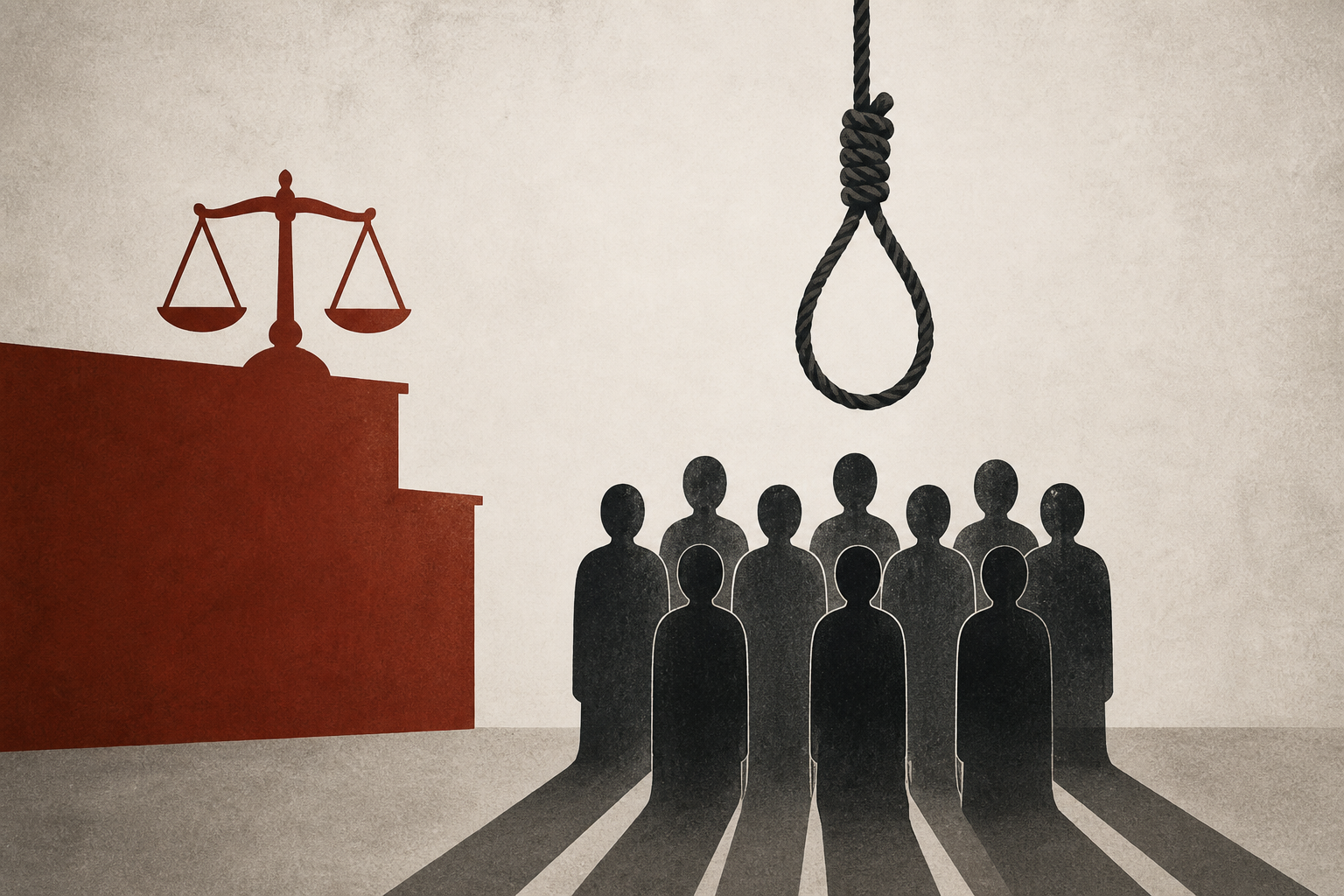
AI Generated Image
Iran court sentences 10 protesters to death in Isfahan
Iran International • • world
Key Points:
- Iranian police arrested a key figure known as “A.L.”, suspected of leading a network of financial intermediaries ("trustees") who transferred export revenues abroad outside formal banking channels, amid sanctions and economic restrictions.
- Witnesses and investigations reveal that security forces used urban warfare tactics, including snipers and armored vehicles, to violently suppress January protests in Tehran province, with operational hubs like the Imamzadeh Esmail shrine playing central roles.
- Economic hardship in Iran, including unemployment and poverty, has driven many, especially youth in border regions like Kurdestan, to dangerous work as kolbars (border couriers), facing lethal risks and highlighting systemic socio-economic issues.
- A controversial open letter supporting Iranian political prisoners sparked debate among Western academics, reflecting ideological divides over how to address Iran’s repression amid geopolitical tensions and rising executions.
- The Bahá’í community in Iran faces intensified state-led persecution, including raids, arrests, property confiscations, and economic pressure, amid broader human rights abuses and systemic discrimination against religious minorities.


