AI Image
Iran Is Losing Some of Its Leverage Over the Strait of Hormuz
oilprice.com • • world
Key Points:
- Crude oil flow from the Persian Gulf has nearly returned to prewar levels, with 16.5 million barrels per day exported in September, but much of the oil now bypasses the Strait of Hormuz via new routes and shipping arrangements.
- Only about 60% of the crude physically crossed the Strait of Hormuz in September, down from 83% before the war, as pipelines and alternate routes through Saudi Arabia and the UAE have become more prominent.
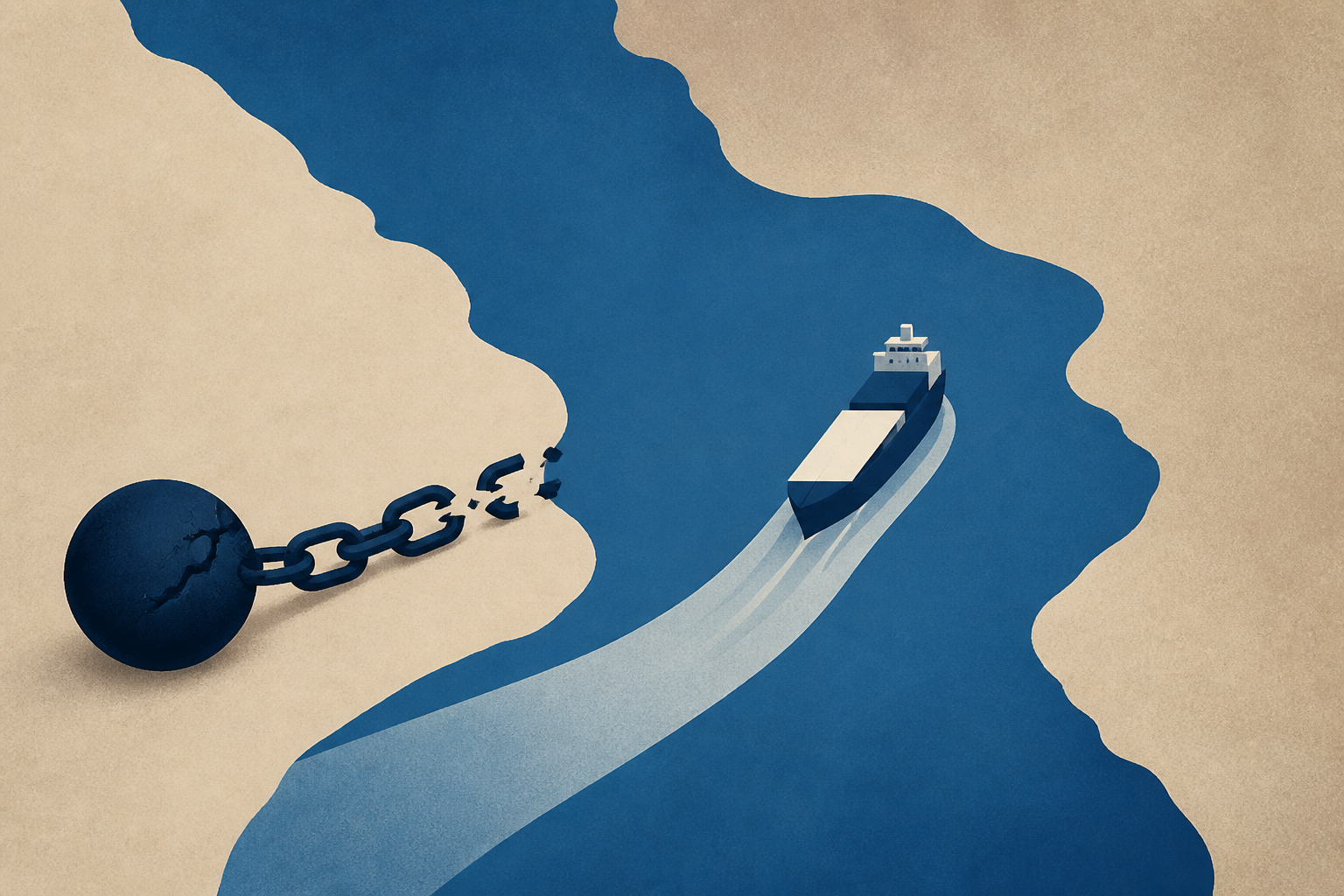
- Iran's ability to disrupt shipping in the Strait of Hormuz has diminished due to US military protection for commercial vessels and new logistical strategies, though Tehran still retains some leverage by making passage risky and costly.
- Despite the recovery in crude flows, refinery bottlenecks and elevated insurance costs keep diesel prices at record highs in the EU and US, maintaining a "war premium" in global oil prices.
- The current oil export system is significantly altered and more complex, involving offshore tanker transfers and riskier operations, indicating that while Iranian pressure has weakened, the Strait of Hormuz remains a strategic vulnerability.


