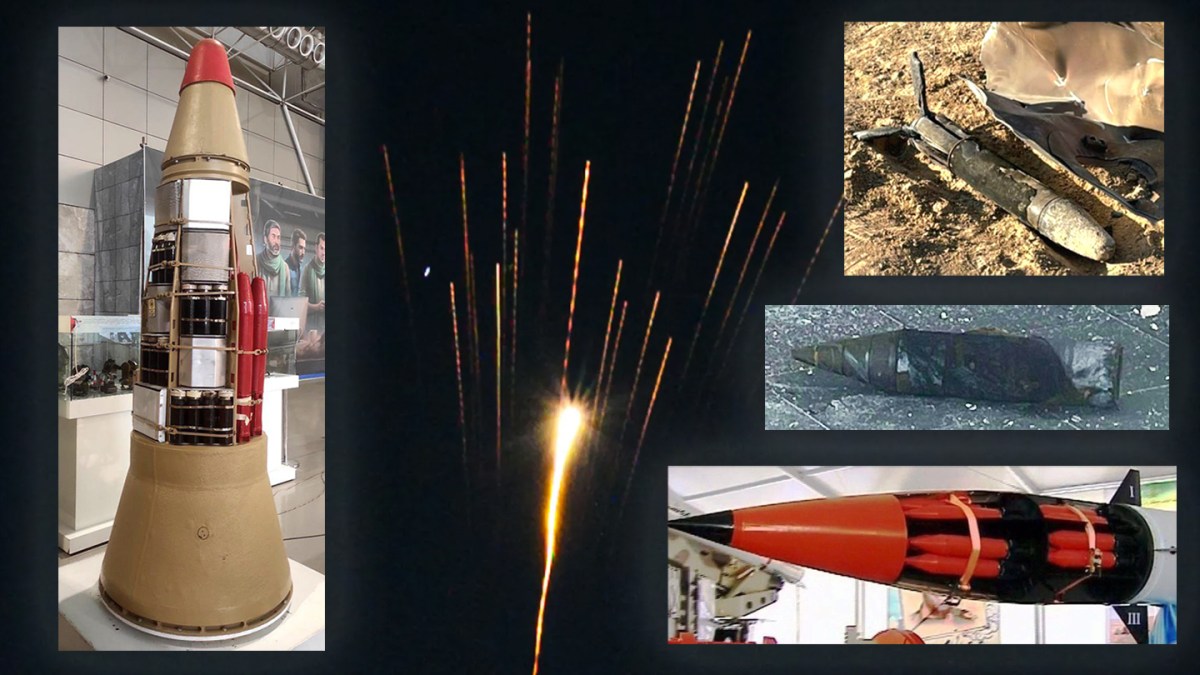
Iran Is Piercing Israel's Ballistic Missile Defenses With High Altitude Cluster Warhead Releases
The War Zone • • world
Key Points:
- Iran has launched over 500 ballistic missiles at Israel in recent weeks, with at least 30 carrying cluster munition payloads that release submunitions at high altitudes, effectively bypassing Israel’s terminal missile defenses like David’s Sling.
- These cluster munitions disperse dozens of smaller bomblets over wide areas, complicating interception efforts and putting significant strain on limited mid-course interceptors such as the U.S. Standard Missile-3 and Israeli Arrow 3 systems.
- The tactic’s success in evading missile defenses highlights vulnerabilities in current layered defense systems and raises concerns about similar threats in other regions, particularly the Pacific, where key U.S. bases could be targeted with cluster munition-laden ballistic missiles.
- Experts emphasize the critical need for higher-tier missile defense systems capable of intercepting threats at high altitudes before submunition release, as well as the importance of "left-of-launch" operations to neutralize missile threats preemptively.
- Iran’s missile strategy underscores broader challenges in missile defense capacity globally and may influence future investments in advanced systems like the U.S. Golden Dome network, which focuses on mid-course intercepts including space-based interceptors.


