AI Image
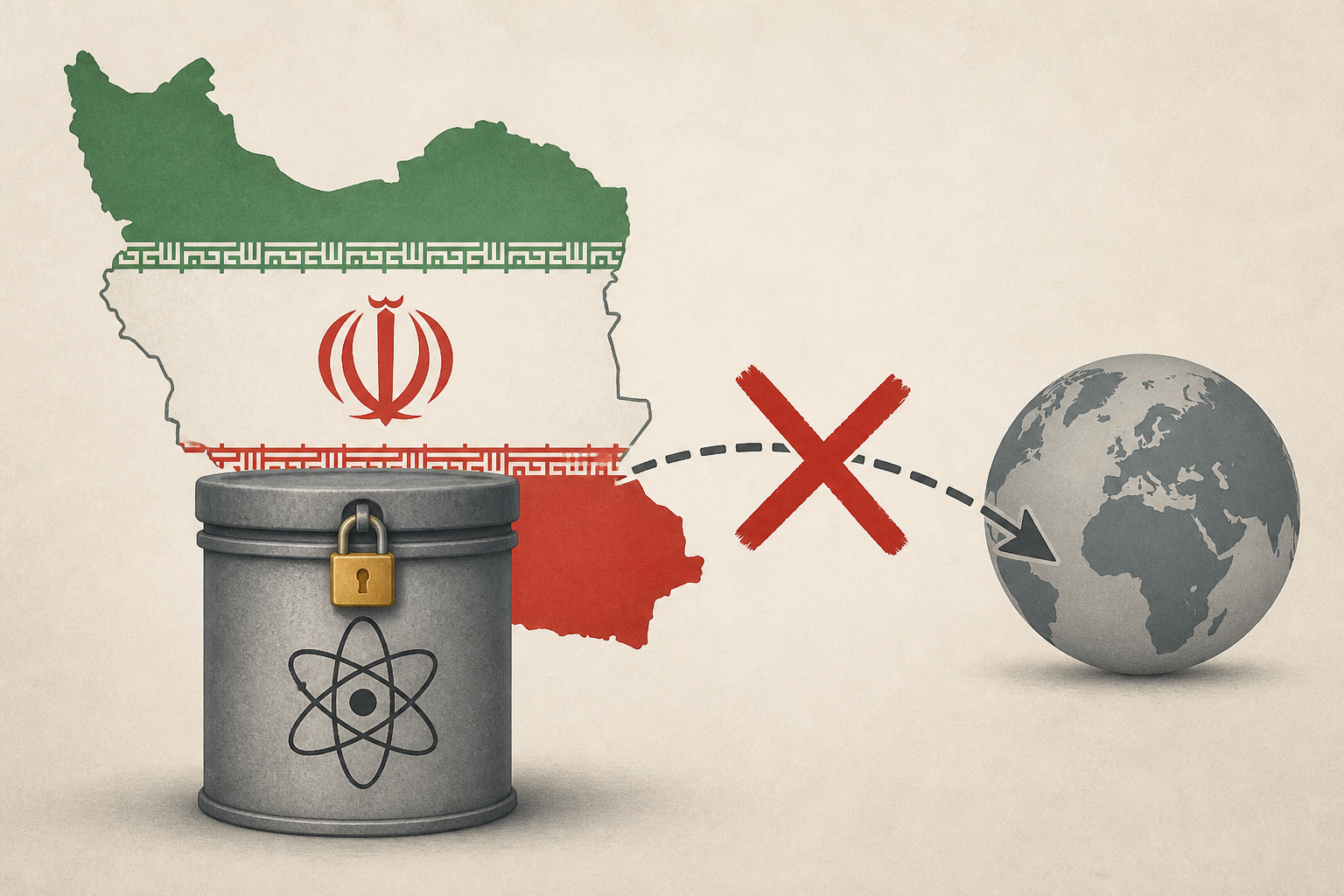
Iran rules out transferring uranium to a third country
Fox News • • nation
Key Points:
- Iran's Islamic Revolutionary Guard Corps (IRGC) has threatened to cut seven major undersea internet cables in the Strait of Hormuz, which connect Gulf countries to international data networks and carry critical financial information, warning such action would cause serious damage to the U.S. and its allies.
- Saudi Arabia is seeking military support from foreign allies including Britain, Egypt, and Israel to defend against increased Houthi missile and drone attacks, while President Trump is considering direct U.S. strikes against the Iran-backed Houthis amid rising threats to Saudi cities and critical infrastructure.
- Sea mines have re-emerged as a significant hazard in the Strait of Hormuz, with Iran reporting two oil tankers caught fire after striking mines, raising concerns over the safety of this vital shipping lane as the International Maritime Organization warns vessels remain at risk.
- President Trump has highlighted the potential use of the U.S. Air Force's GBU-43 Massive Ordnance Air Blast (MOAB) bomb in any future airstrikes against Iran, emphasizing its non-nuclear but highly destructive capability and signaling a readiness to target high-value Iranian Revolutionary Guard Corps sites if necessary.
- The MOAB, first used in combat in Afghanistan in 2017, is too large for standard bomber racks and requires specialized delivery methods, such as deployment from an MC-130 aircraft, with potential support from U.S. air dominance and electronic warfare assets to neutralize Iranian air defenses.


