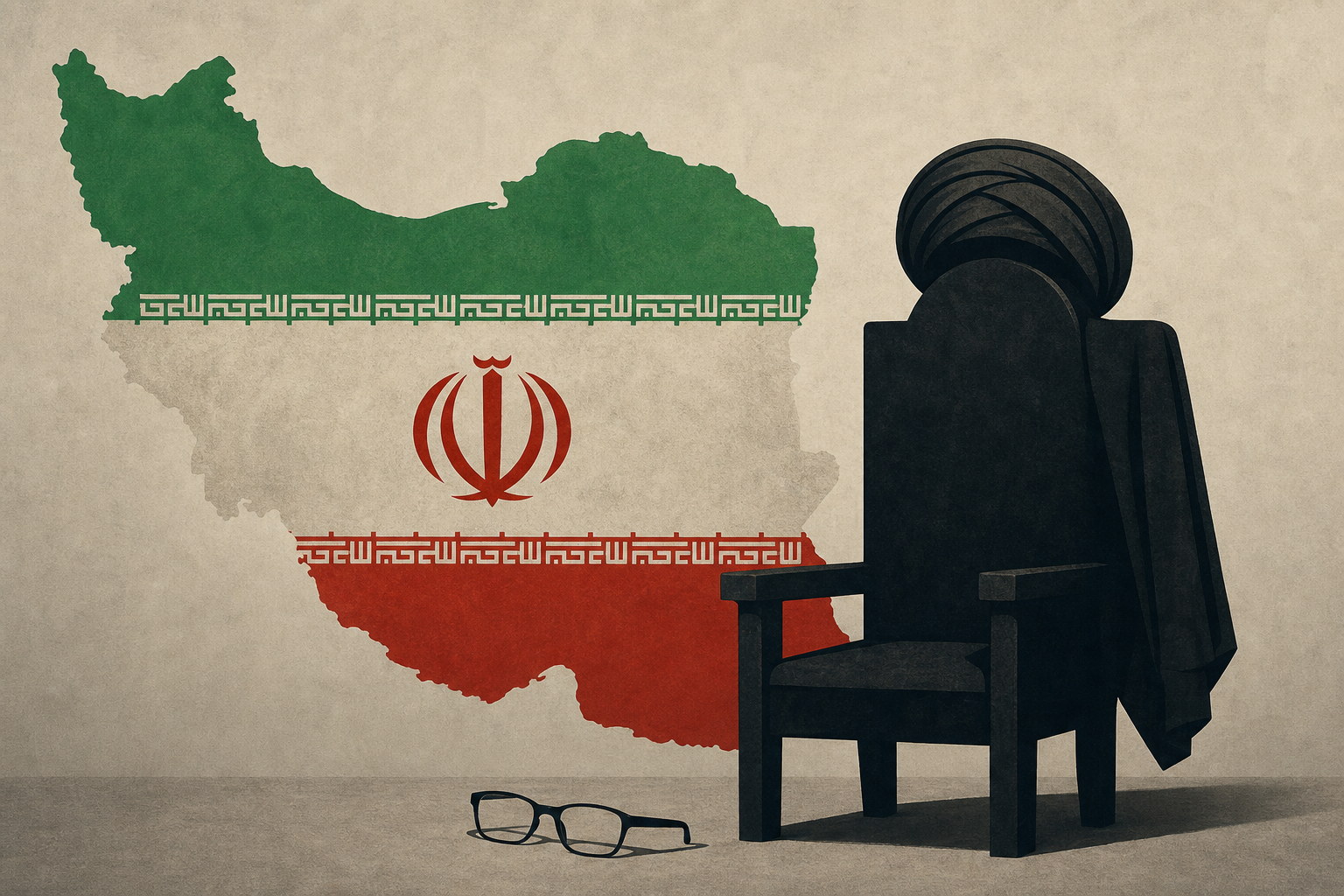
AI Generated Image
Iran’s foreign minister describes moment of attack that killed Khamenei
The Guardian • • nation
Key Points:
- Iran’s foreign minister, Abbas Araghchi, survived a US-Israeli airstrike that killed Supreme Leader Ali Khamenei by escaping from the rubble of a targeted leadership compound in Tehran, highlighting a significant security breach.
- Araghchi confirmed that US and Israeli intelligence accurately pinpointed Khamenei’s location and other senior officials, enabling the strike, and acknowledged a continuing security gap that Iran needs to address.
- Despite skepticism about diplomatic talks with the US earlier in the year, Iran pursued negotiations to demonstrate its commitment to diplomacy, but the mood in Washington shifted toward military action shortly after Iran offered a nuclear deal.
- Iran had contingency plans, including closing the strategic Strait of Hormuz ("Code 110"), in case the supreme leader was targeted, and warned regional governments of retaliatory strikes if attacked, emphasizing Iran’s resilience rooted in its cultural and religious identity.
- Araghchi revealed efforts to exploit divisions between the US and Israel and noted improvements in Iran’s missile response times since previous conflicts, underscoring Tehran’s preparedness to respond swiftly to future attacks.


