AI Generated Image
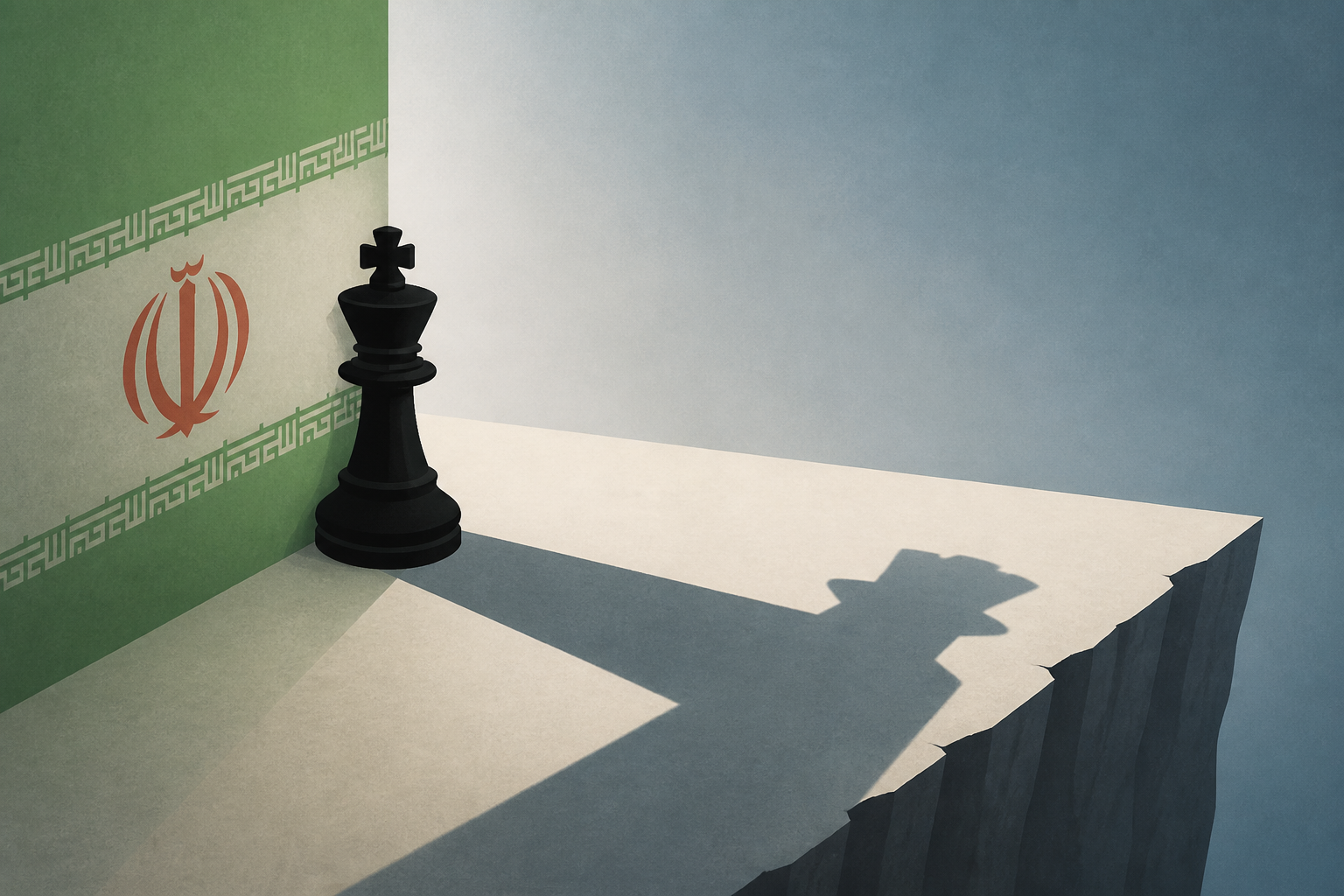
Iran's leaders think they have Trump cornered, but their strategy carries great risks
Yahoo • • world
Key Points:
- Iran aims to assert control over the Strait of Hormuz, a vital global energy waterway, by leveraging military pressure to compel the U.S. to accept its dominance, capitalizing on U.S. weapon stockpile depletion and domestic unpopularity of war.
- Tehran is reportedly close to a deal with Oman to manage the strait, which would formalize its control and mark a significant geopolitical win, challenging established international norms on freedom of navigation.
- Despite economic hardships from U.S. sanctions and military strikes, Iran views control of the strait as a strategic lever for deterrence and regional power balance, using it to strengthen its position in ongoing conflicts and nuclear negotiations.
- Iran's leaders acknowledge risks, including potential internal unrest due to economic strain and the unpredictability of prolonged conflict, but currently believe they can endure pressures without conceding.
- The situation remains volatile, with Iran maintaining a firm stance against reopening the strait without U.S. concessions, while U.S. responses fluctuate between threats and diplomatic overtures, leaving the conflict unresolved with significant regional and global implications.


