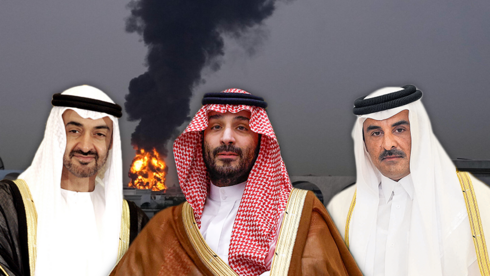
'Iran's revenge is best served cold': Gulf princes are caught in a trap
ynetnews • • world
Key Points:
- Gulf states, initially urging the U.S. not to attack Iran, now seek a prolonged conflict that weakens the Islamic Republic rather than a quick end that leaves Iran stronger and more radical.
- Saudi Arabia and the UAE have indicated support for escalating military pressure on Iran unless Tehran agrees to significant limits on its missile, drone, and nuclear programs, aiming for a "more modest Iran."
- Regional concerns include Iran’s control over the Strait of Hormuz, potential strengthening of Iran-backed proxies like Hezbollah, and fears that a premature ceasefire would embolden Iran to continue attacks and leverage the strait strategically.
- Despite repeated Iranian attacks, Gulf states have refrained from direct military retaliation due to fears of disproportionate Iranian retaliation, with Saudi Arabia reportedly considering entering the conflict.
- Security cooperation between Israel and Gulf states has increased during the war, with diplomatic and military coordination aimed at countering Iran’s influence in the region.


