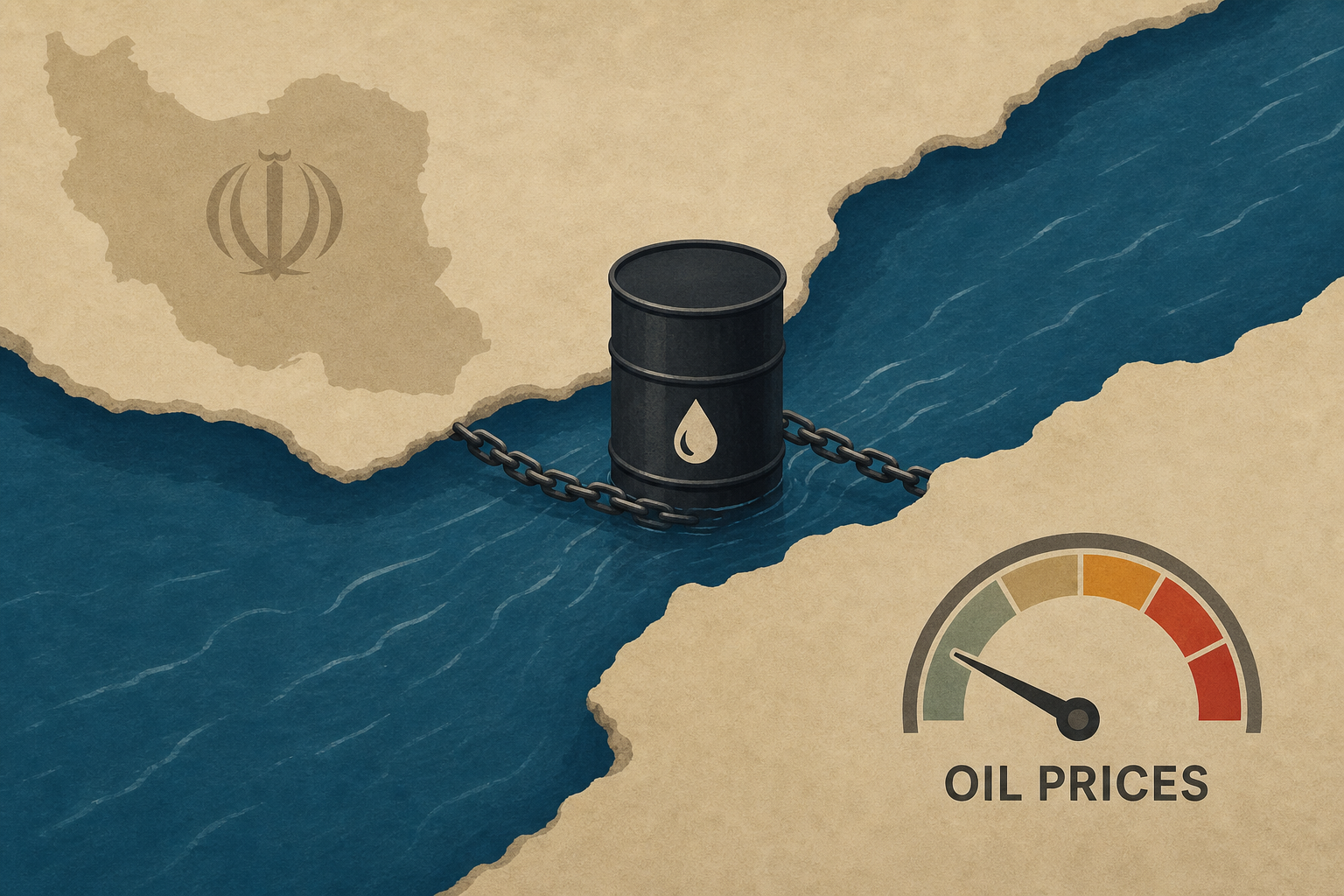
AI Generated Image
Iran's Strait of Hormuz leverage over oil prices may be weakening
Fox News • • nation
Key Points:
- Iran's recent attacks on commercial shipping in the Strait of Hormuz caused a sharp rise in oil prices, demonstrating Tehran's ongoing ability to disrupt global energy markets despite growing challenges to its leverage.
- The U.S. Energy Information Administration forecasts a rebound in global crude production and trade flows to near pre-conflict levels by early 2027, supported by increased OPEC+ output and alternative export routes that bypass the Strait of Hormuz.
- Gulf producers like Saudi Arabia and the UAE have expanded infrastructure allowing oil exports to avoid the Strait, reducing Iran's capacity to control or "toll" shipping through the strategic waterway.
- Iran's strategy appears focused on making commercial shipping riskier and more expensive rather than completely shutting down the Strait, aiming to pressure insurers and shipping companies rather than halt oil flow entirely.
- Despite ongoing attacks, Iran continues to export oil itself, underscoring its dependence on the market while still leveraging disruption tactics to influence U.S. negotiations and global oil prices.


