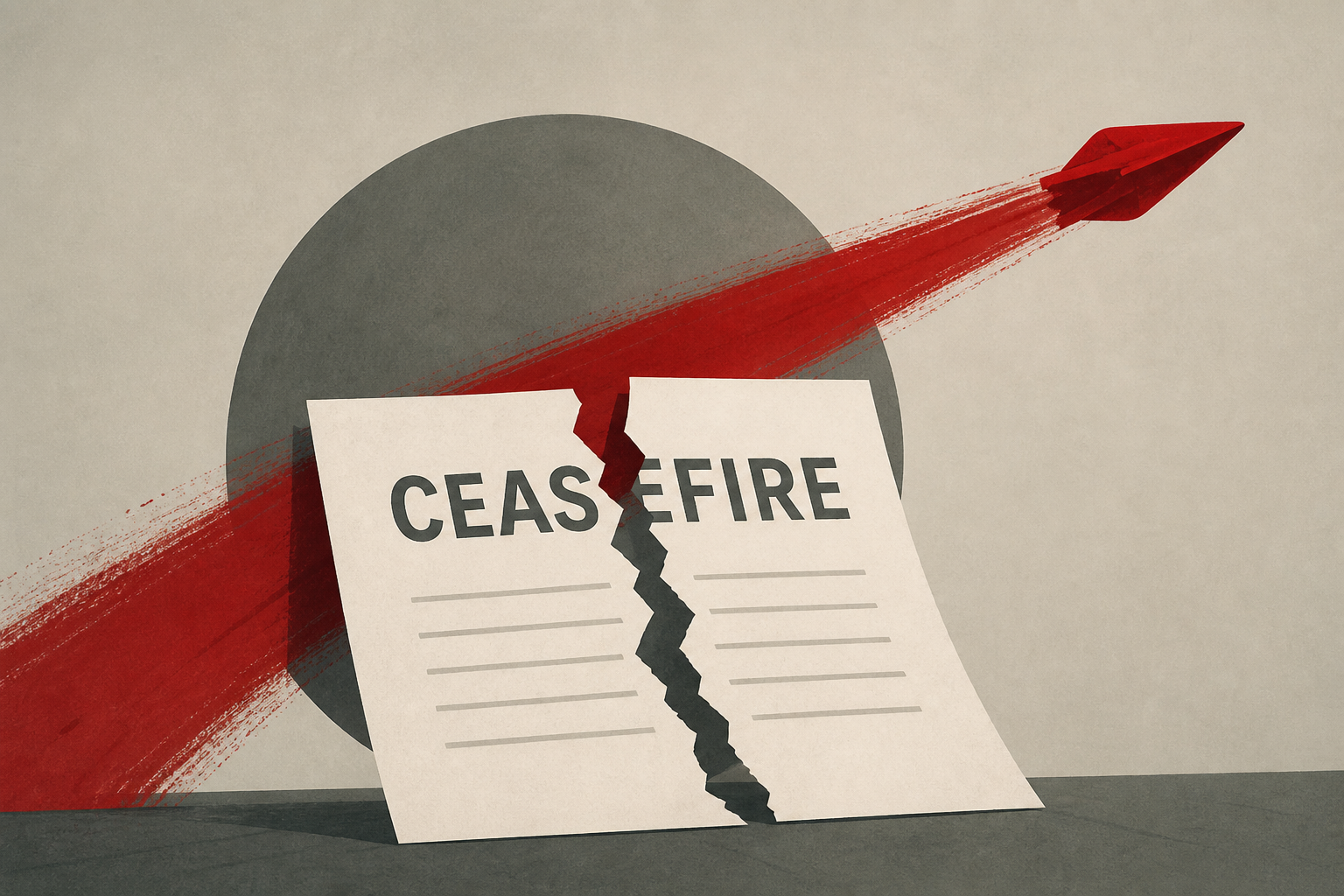
AI Generated Image
Iran’s ‘surprise attack’ ends U.S ceasefire. What it means for the war
USA Today • • world
Key Points:
- On July 28, Iran launched a ballistic missile attack on U.S. forces in the Middle East, described by the Trump administration as a "surprise attack" that was quickly intercepted, ending a recent pause in hostilities.
- In response, the U.S. coordinated with Saudi Arabia to jointly strike Iranian-aligned militants in Iraq, marking Saudi Arabia's active entry into the conflict due to Iranian attacks on its oil and gas facilities.
- President Trump vowed a strong military response, threatening to "hit them very hard," while experts caution against targeting civilian infrastructure to avoid potential war crimes.
- Analysts suggest Iran aims to draw the U.S. into a prolonged conflict, testing Trump's resolve ahead of the midterm elections, with the possibility of ongoing intermittent fighting as both sides seek leverage in negotiations.
- The conflict risks escalating into a wider regional war, with continued attacks and counterattacks potentially persisting through the fall until after the U.S. elections.


