AI Image
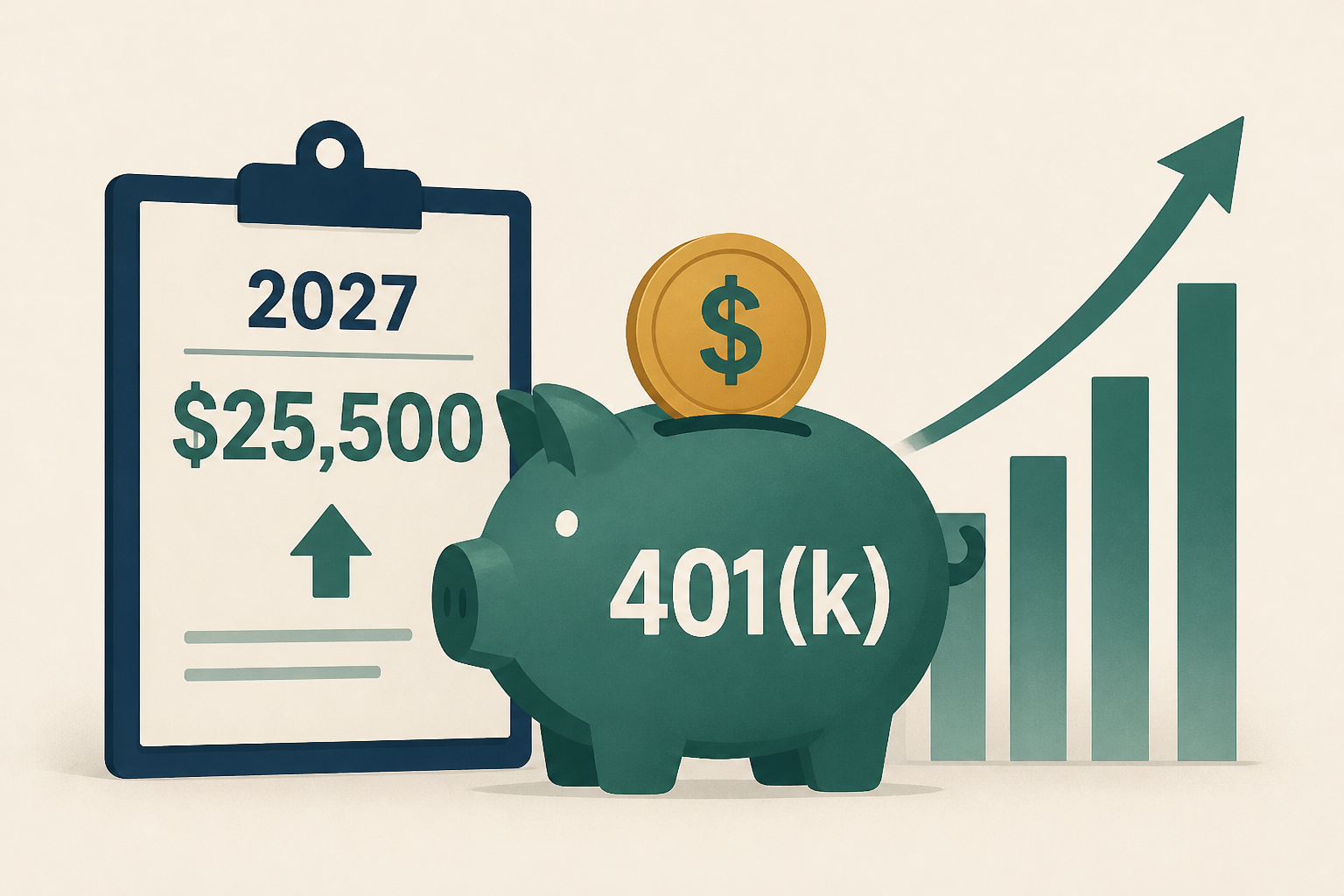
IRS boosts 401(k) limit to $25,500 for 2027. Here's what changes
USA Today • • business
Key Points:
- In 2027, the IRS has increased the annual contribution limit for employer-sponsored 401(k) plans to $25,500, up from $24,500 in 2026, while the IRA contribution limit remains unchanged at $7,500.
- Catch-up contributions for workers aged 50 and older have also increased, with a maximum of $8,500 for most plans and a super catch-up of $11,750 for those aged 60 to 63, allowing total 401(k) contributions up to $37,250.
- Income phase-out ranges for Roth IRA contributions have risen, with single filers phased out between $158,000 and $173,000 and married couples filing jointly phased out between $250,000 and $260,000.
- Despite these higher limits, only a small percentage of Americans max out their 401(k) contributions, with financial advisers emphasizing the importance of saving consistently and at least contributing enough to receive employer matching funds.
- Contributions to 401(k)s and IRAs offer tax advantages by reducing taxable income and allowing tax-free growth, while Roth accounts are funded with after-tax dollars but provide tax-free withdrawals in retirement.


