AI Image
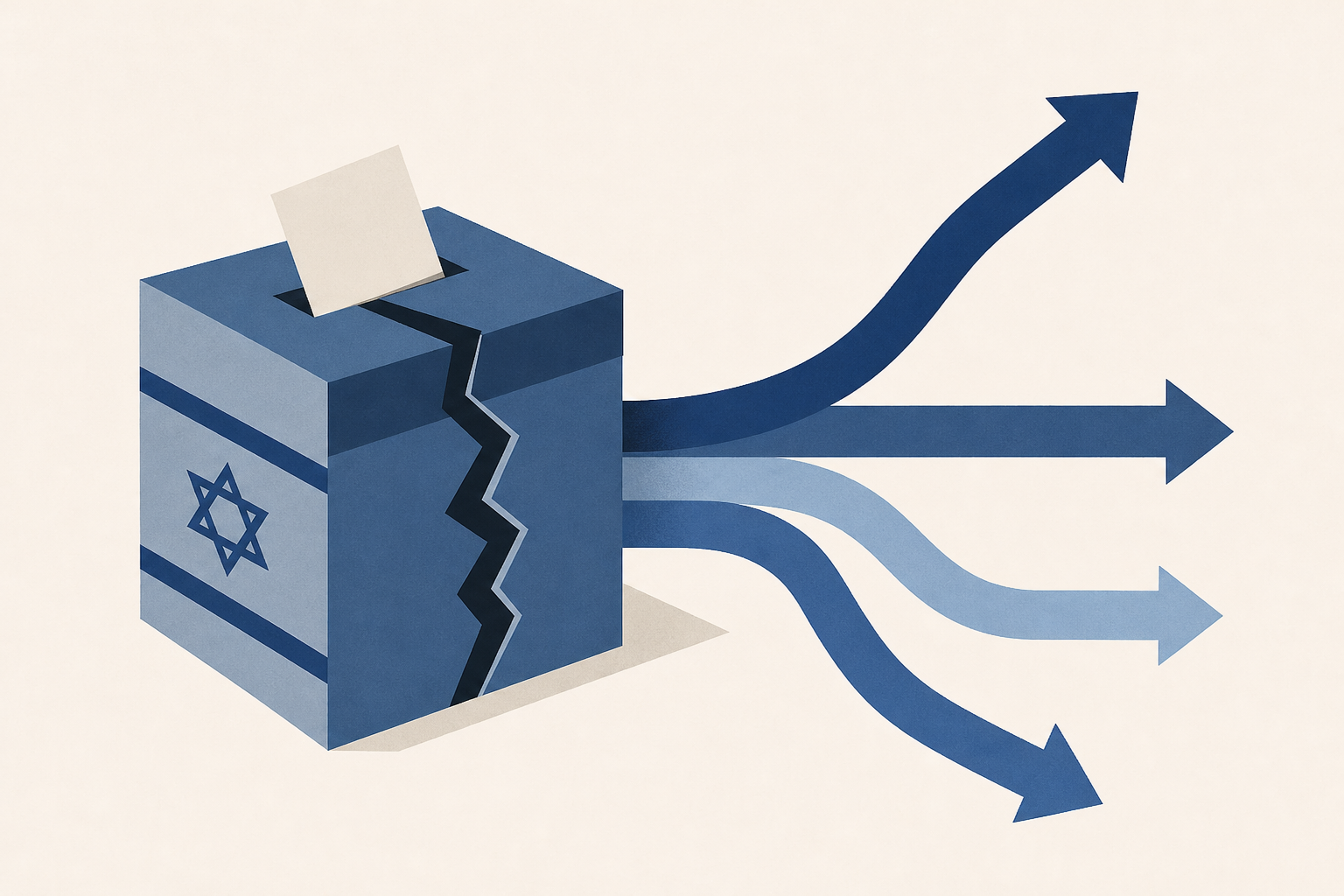
Israel’s election ended in deadlock. Here are four ways out
CNN • • general
Key Points:
- Israel's recent elections have resulted in a political deadlock, with neither Prime Minister Netanyahu's right-wing Likud bloc nor the centrist Yashar party led by Gadi Eisenkot securing the 61-seat majority needed to form a government.
- Forming a government is complicated by deep political divisions, especially opposition leaders' refusal to cooperate with Arab parties, despite the opposition's potential majority if Jewish-Arab cooperation were possible.
- Potential solutions include forming an opposition government reliant on Arab parties, a national unity government involving both blocs, or Netanyahu attempting to gain defectors from opposition parties, though all face significant challenges.
- If coalition talks fail within the set timeframes, Israeli President Isaac Herzog may task multiple leaders to form a government sequentially, but failure to do so could trigger a seventh election in eight years, prolonging the political impasse.
- Netanyahu, as caretaker prime minister, is positioned to potentially lead government formation efforts after Eisenkot, but the ongoing deadlock suggests Israel may face months of political limbo or another election as early as next spring.


