AI Image
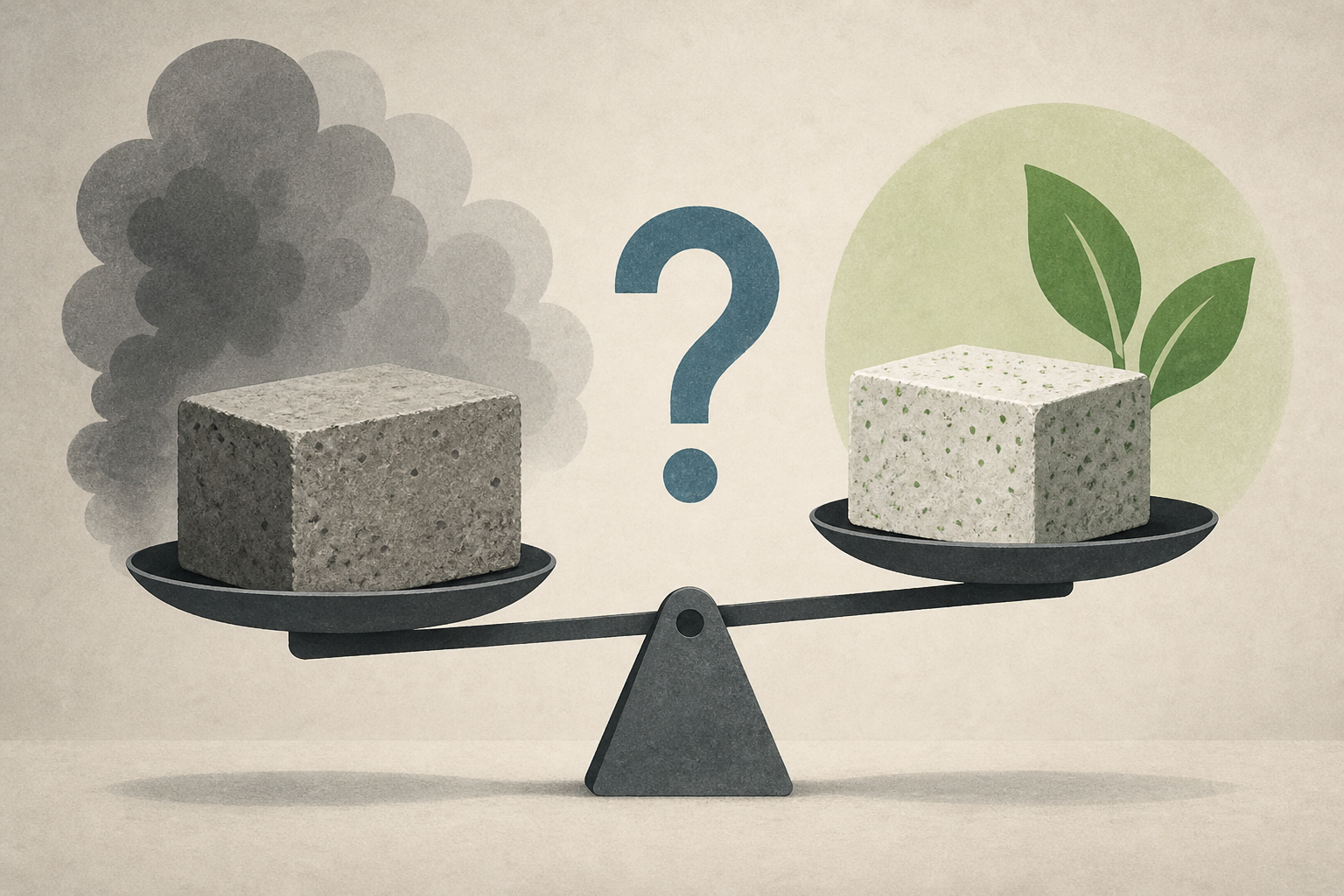
It’s possible to make great concrete without the huge emissions from cement. Why isn’t this common?
The Conversation • • world
Key Points:
- Concrete production contributes 5-8% of global CO₂ emissions, primarily due to the energy-intensive manufacturing of Portland cement, which involves heating limestone to high temperatures and burning fossil fuels.
- Geopolymer concrete, made from industrial byproducts like fly ash and activated with alkaline chemicals, offers a low-emission alternative with up to 80% less emissions than traditional Portland cement.
- Despite successful large-scale projects like Queensland’s Wellcamp Airport, geopolymer concrete adoption remains limited due to lack of long-term performance data, handling challenges, inconsistent feedstock quality, and supply concerns.
- Overcoming barriers requires government-led demonstration projects, updated standards, industry training, and diversification of feedstock sources to build confidence and establish reliable supply chains.
- While not an immediate replacement for cement, geopolymer concrete holds significant potential to reduce emissions, repurpose industrial waste, and promote sustainable infrastructure in Australia and beyond.


