AI Image
Kevin Warsh is managing US debt costs not inflation as interest rates risk topping GDP growth soon
Fortune • • business
Key Points:
- As Federal Reserve Chairman, Warsh has sent mixed signals on monetary policy, shifting between suggesting less aggressive tightening and delivering hawkish rate hikes, reflecting complexity beyond a simple hawk or dove stance.
- Economist Robin Brooks argues Warsh’s policy moves are driven by efforts to manage long-term Treasury yields amid concerns over the U.S. debt burden exceeding $40 trillion and rising debt-interest costs surpassing defense spending.
- There appears to be informal coordination between the Fed and Treasury to stabilize borrowing costs, exemplified by Treasury Secretary Scott Bessent’s bond buybacks and currency interventions aimed at controlling yields.
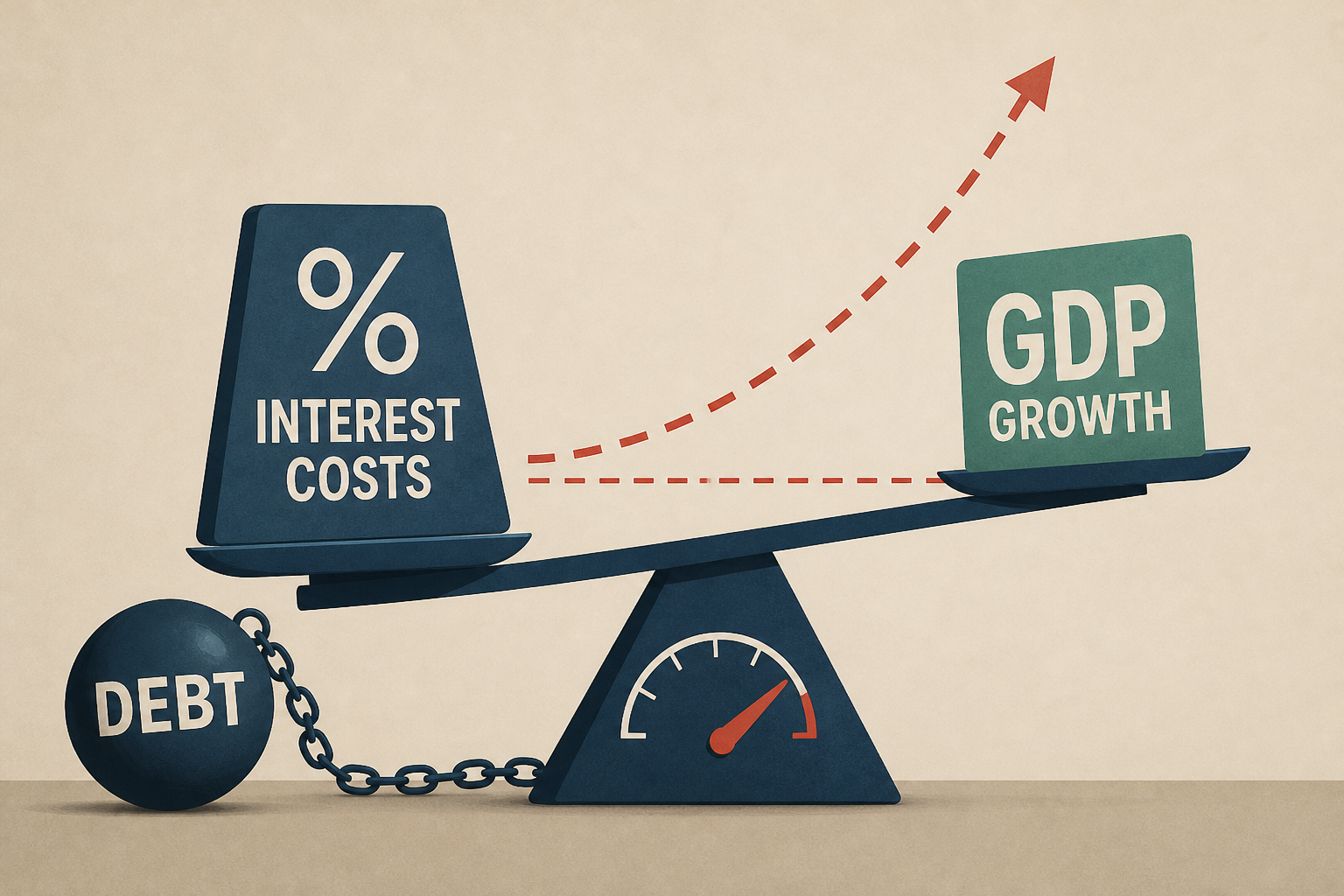
- Rising Treasury yields threaten fiscal sustainability, with projections showing that higher interest rates could significantly increase debt costs and push publicly held debt to 133% of GDP by 2036, potentially leading to fiscal dominance over monetary policy.
- While nominal GDP growth remains above interest rates for now, driven by factors like the AI boom and inflation, analysts warn this growth may be temporary, and the U.S. faces challenges in managing its mounting debt burden without risking a debt spiral.


