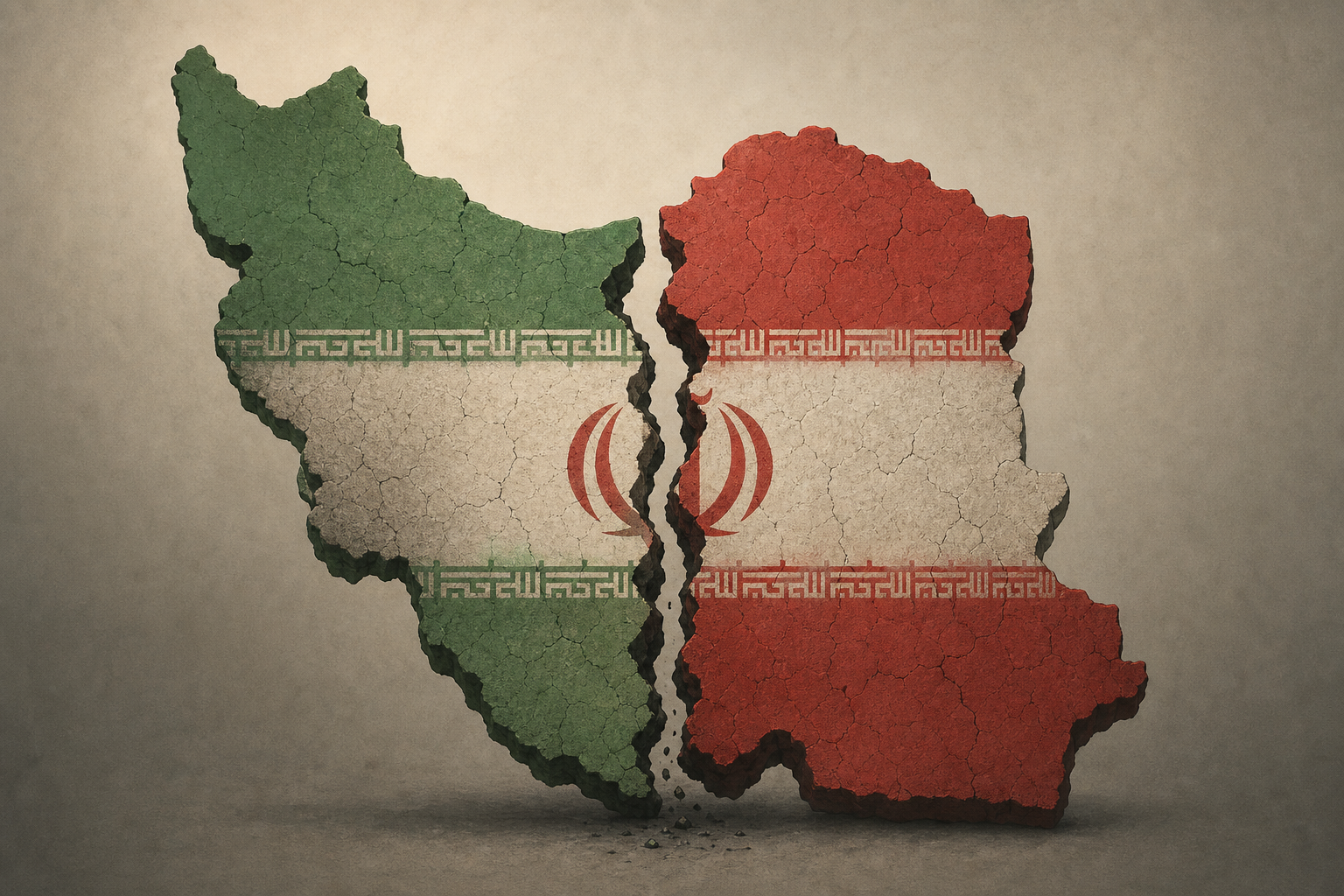
AI Generated Image
Khamenei's long rule left Iran bitterly divided
AP News • • nation
Key Points:
- Ayatollah Ali Khamenei, Iran's supreme leader for over three decades, was killed in Israeli strikes and is being mourned as a martyr by hard-line supporters, but his death has highlighted deep divisions within Iranian society, including among opponents of the Islamic Republic.
- Khamenei's rule was marked by defiance against the West, expansion of Iran's nuclear and missile programs, and repression of reform movements, culminating in the violent crackdown on 2009 and January 2023 protests, which left thousands dead and fueled widespread discontent.
- Despite hard-liners rallying around Khamenei's legacy, many Iranians face economic hardship, political polarization, and a lack of dialogue even among opposition groups, with some hoping for gradual reform while others demand the regime's overthrow.
- The Islamic Republic's survival through Khamenei's death and recent conflict has led to an interim deal with the U.S. that could lift sanctions, but many citizens remain skeptical about tangible improvements amid ongoing economic struggles.
- Analysts warn that without addressing political and economic grievances, Iran risks recurring unrest, with internal factions now contending to shape the country's post-Khamenei future amid persistent governance challenges.


