Lead Exposure: What To Know About Lead In Household Products
HuffPost • • health
Key Points:
- A viral Instagram video by user The Lead Lady claims multiple HomeGoods dishes tested positive for lead using a consumer lead-testing device, but experts say the test is not highly accurate and results lack official verification.
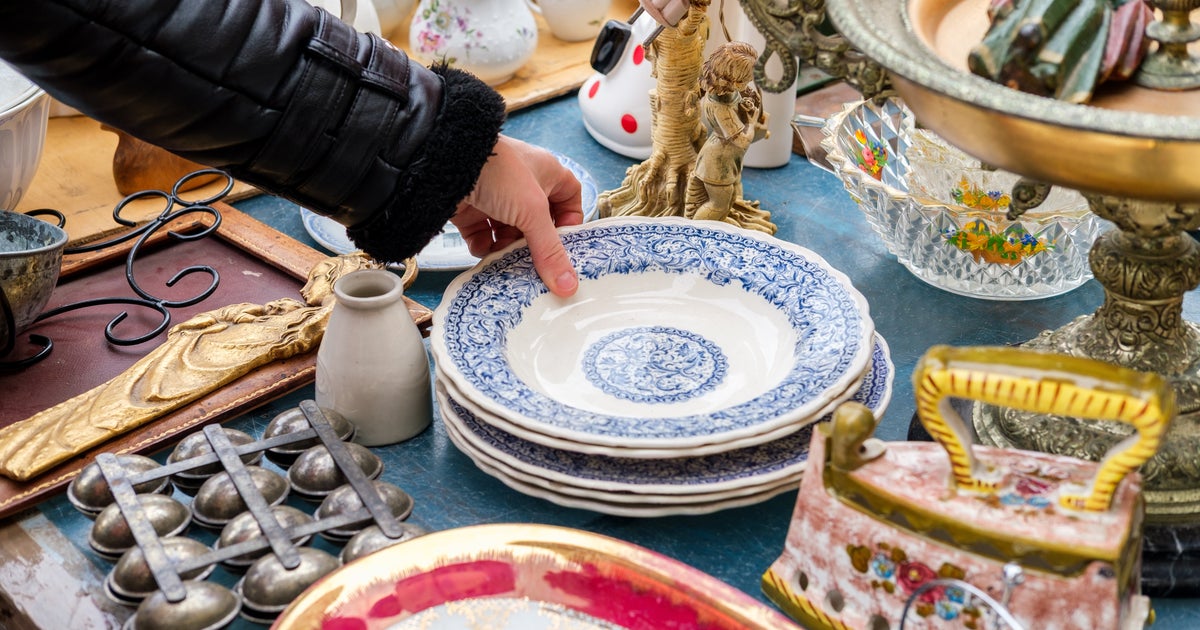
- Lead exposure primarily comes from deteriorating lead paint, antique or imported ceramics, and contaminated foods; consumer goods in the U.S. generally should not contain lead if manufactured under proper standards.
- Lead exposure poses serious health risks, especially for children, including cognitive impairment, behavioral issues, and in extreme cases, seizures or death; routine blood tests are recommended to assess exposure levels.
- Consumer lead-testing kits may indicate possible lead presence but are less reliable than professional tests, which can determine actual risk based on lead quantity and accessibility for leaching.
- To reduce lead exposure risk, experts advise purchasing items from reputable sellers, discontinuing use of suspected lead-containing products, and consulting local health departments for accurate testing and guidance.


