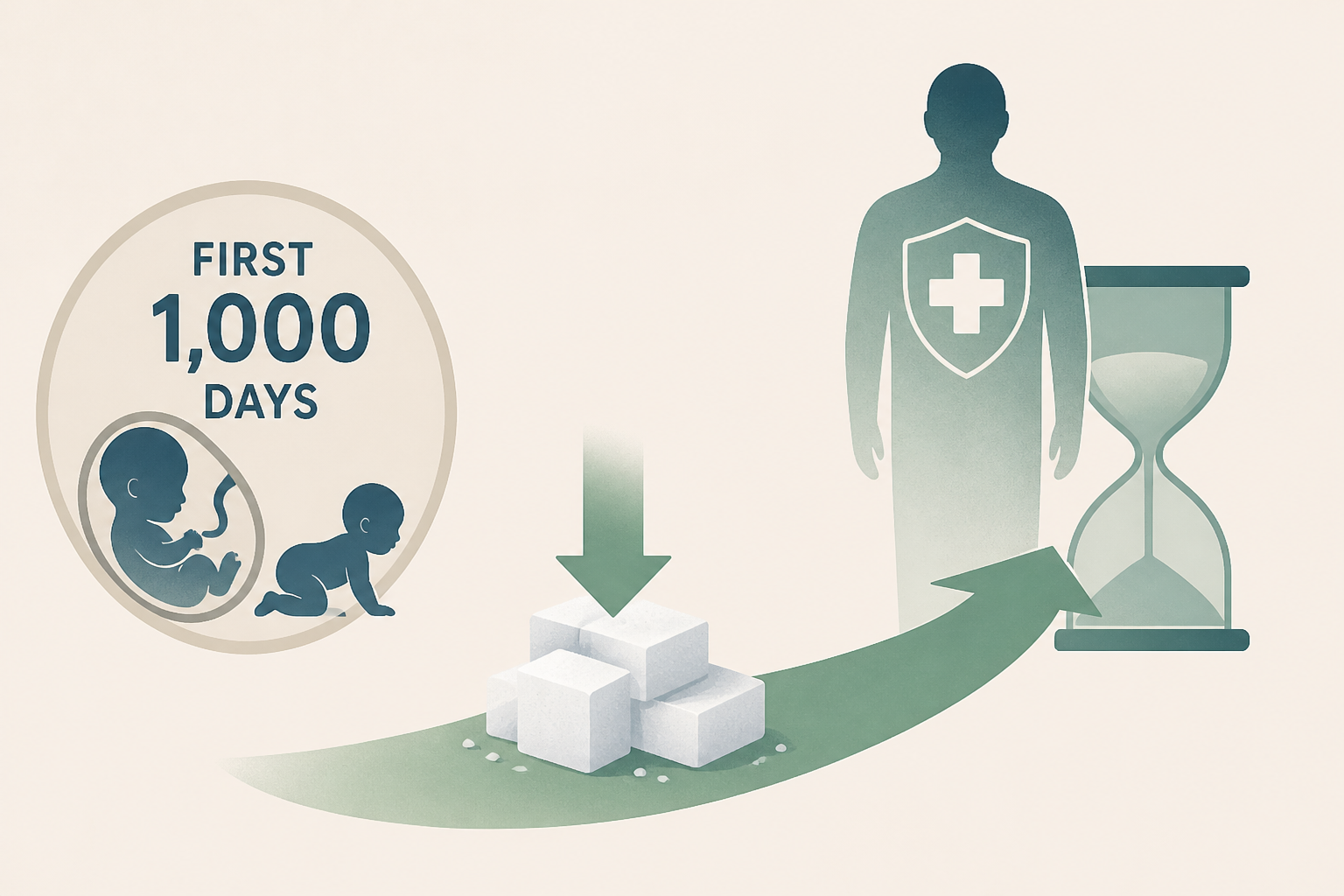
AI Generated Image
Less sugar in the first 1,000 days may change health decades later, study finds lower cancer risk and slower ageing
The Times of India • • health
Key Points:
- A study published in the Proceedings of the National Academy of Sciences analyzed 64,761 UK Biobank participants born during the early 1950s to investigate the effects of early-life sugar exposure, using Britain's end of sugar rationing in 1953 as a natural experiment.
- Findings showed that individuals whose first 1,000 days (from conception to age two) were spent under sugar rationing had lower rates of several cancers later in life, particularly liver, bile duct, rectal, lung, prostate, and breast cancers.
- Early sugar restriction was associated with long-term changes in eating behavior, including lower sugar consumption decades later and more diverse diets, as well as longer leukocyte telomeres, a biomarker linked to reduced biological aging.
- While the study strengthens the argument for a causal link between early sugar exposure and cancer risk, it does not prove that sugar alone causes cancer, as the rationing period involved broader dietary changes and potential metabolic and immune pathways.
- Experts emphasize focusing on reducing added sugars in young children's diets rather than natural sugars from fruits or milk, advocating for establishing less-sweet food preferences early in life without creating fear or overly restrictive eating habits.


