AI Image
Limit of light: US scientists reveal why no material can ever be 100% transparent
Yahoo • • science
Key Points:
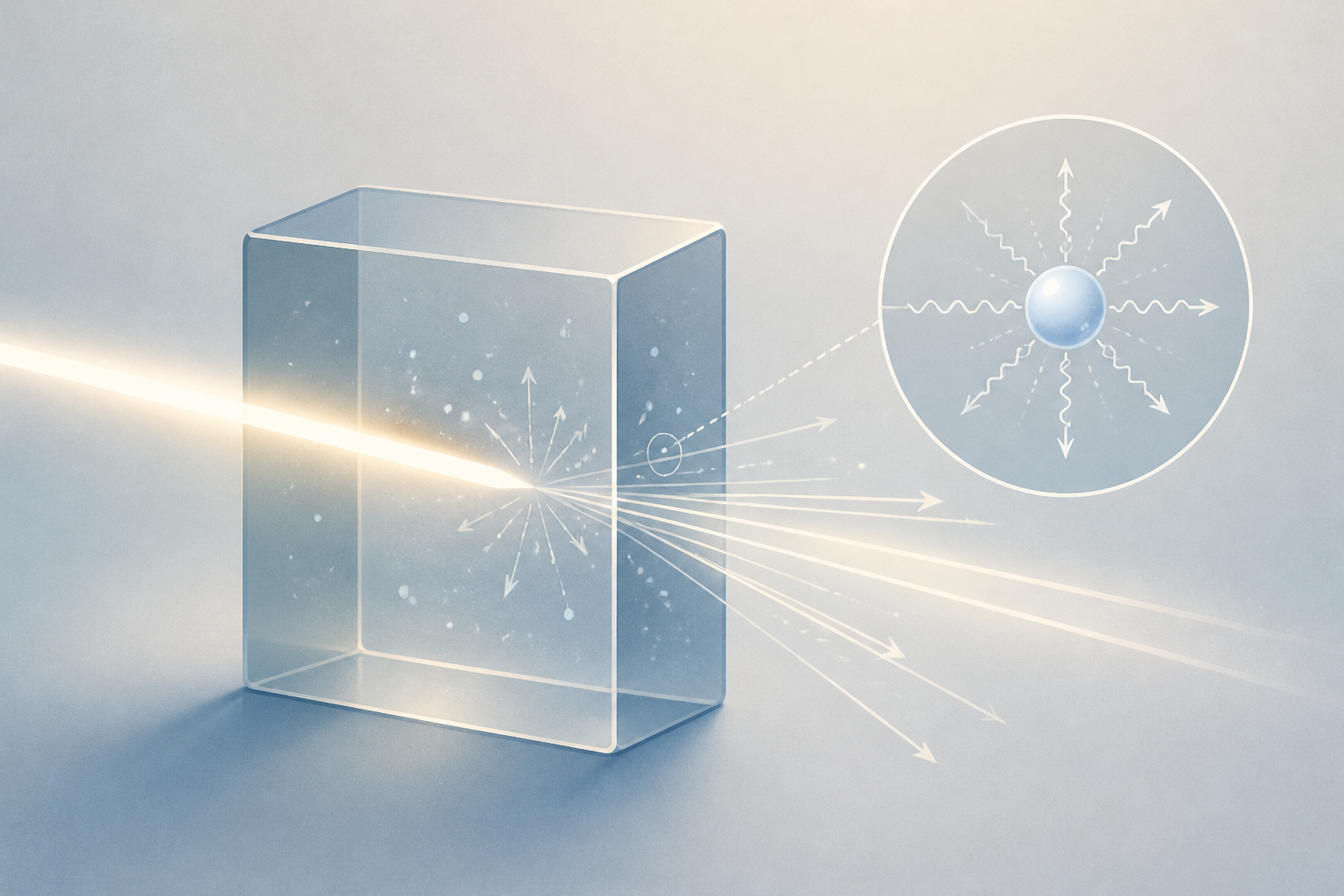
- A new theoretical study reveals that no material can be perfectly transparent due to a fundamental quantum process where light waves inevitably convert into sound waves, causing some light loss even under ideal conditions.
- Researchers found that even extremely clear materials like superfluids, which exhibit minimal friction and absorption, still allow some photon energy to dissipate through quantum mechanical interactions.
- The study involved collaboration with Angelo Esposito, who applied concepts from dark matter research to show that photons lose energy by creating tiny sound waves in materials, leading to unavoidable light attenuation.
- While engineers have developed highly transparent materials, such as insulating window gels that outperform glass, practical limitations remain, especially over thicker layers or long distances like in fiber-optic cables.
- The findings establish fundamental physical limits on transparency set by nature, suggesting that quantum mechanics universally governs light attenuation in all materials.


