AI Image
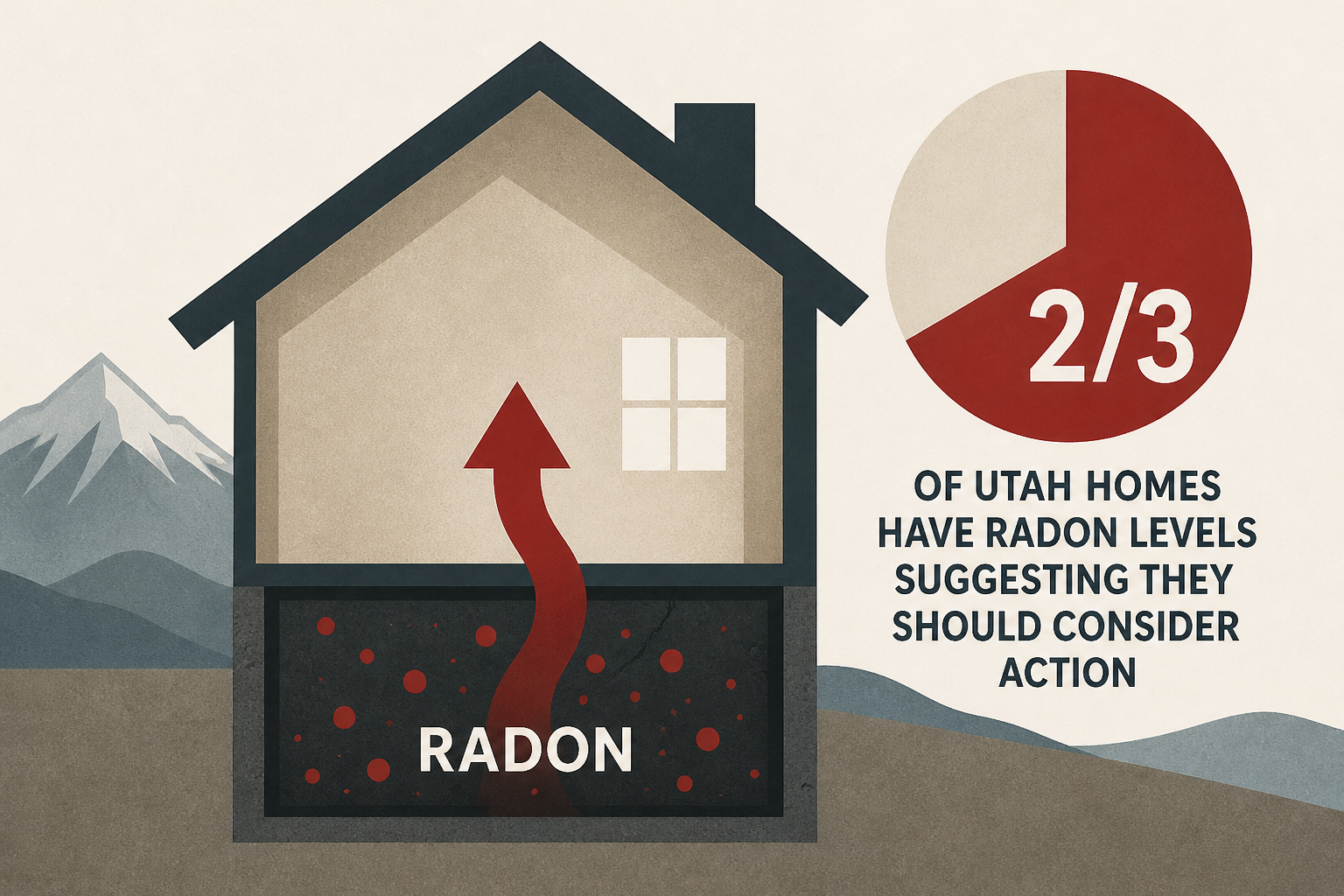
Two-thirds of Utah homes have radon levels suggesting they should consider action, report shows
KSL News • • health
Key Points:
- A recent report from UtahRadon.org reveals that over 69% of Utah homes tested have radon levels above the EPA's recommended action level of 2.0 pCi/L, with 57.6% exceeding the WHO's reference level of 2.7 pCi/L, indicating widespread radon exposure across all regions and income levels.
- Radon, a colorless and odorless gas and the second leading cause of lung cancer, is particularly prevalent in Utah due to geological factors, with some homes showing radon levels more than 100 times the EPA action level; continuous monitoring and regular testing every two years are strongly advised.
- Lung cancer remains the leading cause of cancer deaths in Utah despite low diagnosis rates, with radon exposure contributing significantly; experts emphasize prevention and early detection, noting new treatments for radon-induced cancers and advocating for expanded screening beyond tobacco users.
- Mitigation of high radon levels is straightforward and affordable, typically involving the installation of a soil air pump costing around $2,000 and taking about three hours, but Utah currently lacks laws requiring radon testing or mitigation during home sales or construction.
- Advocacy efforts highlight the need for increased public awareness, more frequent testing—especially in winter when radon levels rise—and potential legislative measures to reduce radon exposure, as free test kits are underutilized with only about 15 tests per 1,000 homes conducted statewide.


