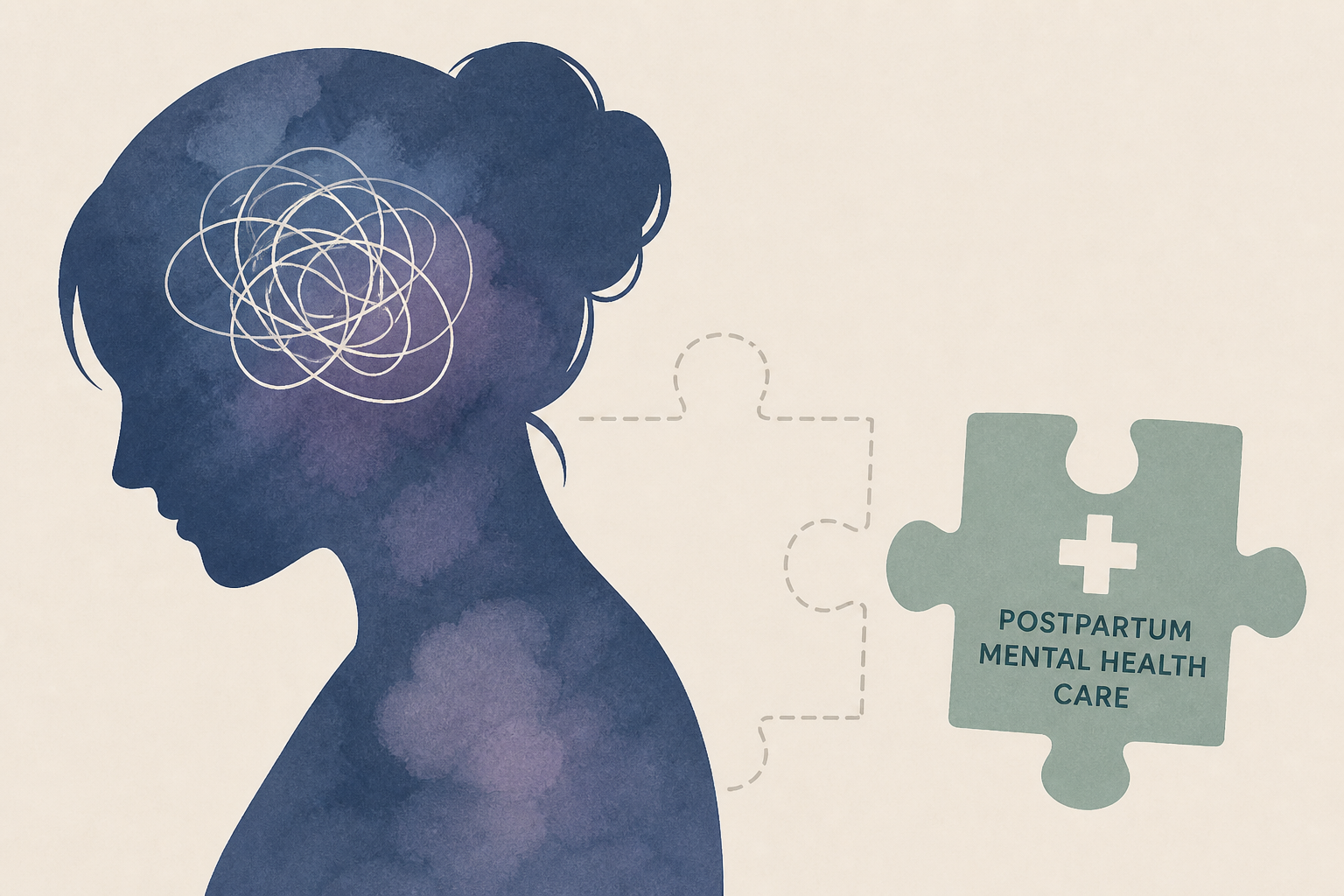
AI Generated Image
Lindsay Clancy trial highlights gaps in treating postpartum psychosis : NPR
NPR • • health
Key Points:
- The trial of Lindsay Clancy, a Boston-area mother charged with murdering her three children, has intensified calls for improved postpartum mental health care, with her defense citing severe postpartum psychosis and lack of proper medical treatment.
- Postpartum psychosis, affecting 1-2 per 1,000 births, is often misdiagnosed and not recognized as a distinct condition in the DSM, leading to gaps in diagnosis and treatment despite it being a severe but treatable illness.
- Mental health advocates and experts emphasize the need for better training of healthcare providers, including OB/GYNs, pediatricians, and psychiatrists, to recognize early signs of postpartum psychosis and provide timely, appropriate care.
- Treatments such as mood stabilizers and electroconvulsive therapy can be effective, yet many women struggle to access proper care due to systemic shortcomings and a lack of public awareness about the disorder.
- Advocates argue for a more family-centered healthcare approach, increased research infrastructure, and expanded parental support systems to prevent tragedies and improve outcomes for mothers and families affected by postpartum mental health issues.


